
REVIEW · CHINESE COOKING CLASSES & DUMPLING MAKING
2.5hrs Chinese Kitchen Cooking Class: Art Steamed Dumplings
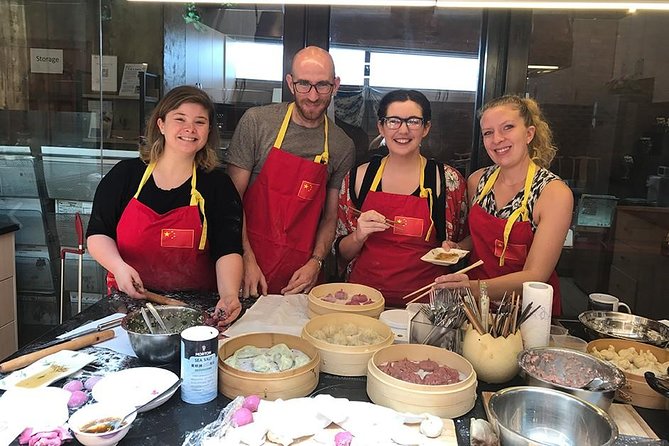
Colorful dumplings change your Shanghai plan. This 2.5-hour class focuses on steamed dumplings that look like something from a state banquet, with hands-on steps you can actually repeat back home. You’ll start with dough and filling, then move into folding styles, steaming timing, and a dip sauce that ties everything together.
What I like most is the small-group size (max 15), which means your questions do not get lost in the crowd. I also love the English-speaking chef, since the technique is taught clearly and the pace stays friendly, even if you are not a kitchen person.
One consideration: the class mixes in culture and presentation. A couple of people found the cooking portion a bit lighter than expected, so if you only want pure hands-on time, plan to treat the art and story as part of the meal.
In This Review
- Key Things to Know Before You Go
- A Shanghai Dumpling Class That Feels Like Craft, Not Just Cooking
- Meeting on Guangyuan Road, With Tea and a Clear Start
- Dough Kneading and Rolling Out the Wrapper, Chinese Style
- Folding Colorful Dumplings Like They Belong on a Banquet Table
- Marinating the Filling: Pork Version or Vegetarian Choice
- Steaming Timing and the Sauce You’ll Actually Want to Make Again
- Eating Together, Getting the Recipe, and Knowing What to Practice
- Price and Value: Is $109.88 Worth It?
- Should You Book This Steamed Dumpling Class in Shanghai?
- FAQ
- How long is the Art Steamed Dumplings cooking class?
- What time does the class start and end?
- Where is the meeting point in Shanghai?
- Is the class vegetarian or vegan friendly?
- What’s included in the price?
- Is this experience refundable if plans change?
Key Things to Know Before You Go
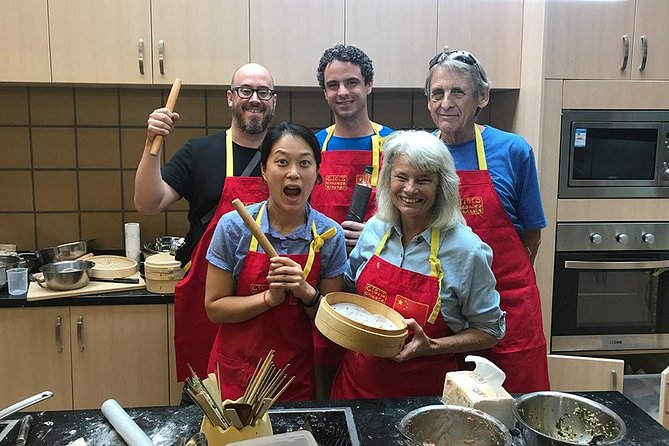
- Max group size of 15 keeps the dumpling folding instruction personal.
- Included tea helps you settle in while you learn the ingredients and method.
- Colorful shaping techniques are taught for dumplings you may not see at regular restaurants.
- You’ll learn multiple folding styles and the Chinese names tied to their meaning.
- Steaming timing matters here, and you get guidance for getting the texture right.
- You can choose vegetarian when booking, with a pork or veg filling approach depending on preference.
More kitchens to fold dumplings in
- Shanghai-Cooking Dumpling & Meal in Local Family-w/Vegan★ 4.9 · 36 reviews
- Vegan Soup Dumpling Making in Shanghai★ 5.0 · 17 reviews
- Private Shanghai Night River Cruise and Hot Pot Dining Experience★ 5.0 · 15 reviews
- Hot Pot Dining Experience with Hot Spring Bathing or River Cruise in Shanghai★ 5.0 · 13 reviews
A Shanghai Dumpling Class That Feels Like Craft, Not Just Cooking
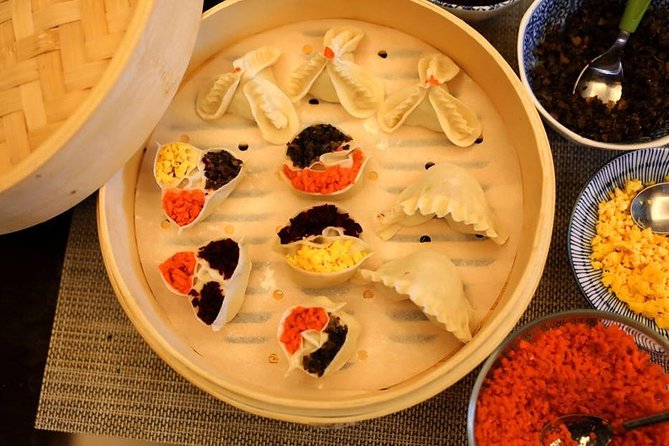
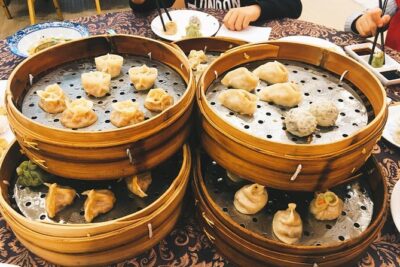
If you’ve ever watched someone fold dumplings with calm confidence, you know it looks harder than it is. That’s the vibe here. The dumplings you’ll make are described as special, colorful ones that you might not see on everyday restaurant menus, more like the sort of presentation you’d expect at a formal banquet or a five-star hotel.
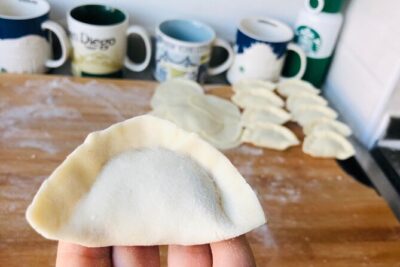
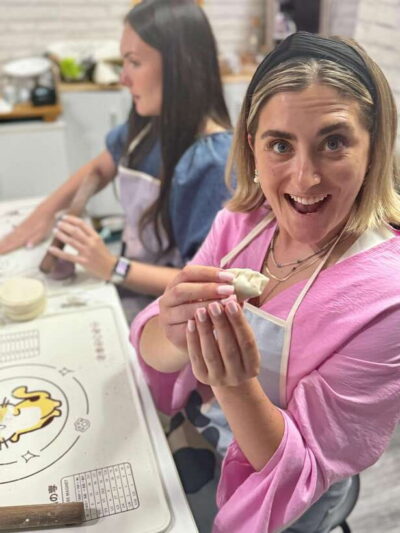
For me, the appeal is practical. You are not just making one dumpling shape and hoping for the best. You’ll learn core skills, like kneading dough by hand, building a filling, folding with different wraps, and steaming so the wrappers turn tender and the filling stays juicy.
And yes, you’ll also get the story side. Part of the class frames dumplings as an edible art form, including Chinese names and symbolic meaning tied to shapes. It makes the whole process feel more intentional, not just busywork.
Meeting on Guangyuan Road, With Tea and a Clear Start
The class meets in Xuhui District, at Guangyuan Road (Guang Yuan Lu, Xu Hui Qu, Shang Hai Shi, China). It’s listed as near public transportation, which matters because this tour does not include hotel pickup or drop-off. Plan your own way there, then you can focus on cooking.
The schedule runs in a smooth flow:
- Around 2:00 pm, you meet at the cooking school
- About 2:10 pm, you get an intro to cooking culture and local ingredients
- Around 2:30 pm, the main cooking session kicks off
- About 4:00 pm, you eat what you made together
- Around 4:30 pm, the class wraps up with a recipe
That structure is good for first-timers. You get just enough context before hands start moving. Then the afternoon shifts into a steady rhythm: prep, fold, steam, eat.
The included tea is also more useful than it sounds. You’ll sip it while you settle in and learn what you’re making. It gives the experience a calm, social tone, which helps when you are trying something a little fiddly.
Dough Kneading and Rolling Out the Wrapper, Chinese Style
The biggest win in this class is that you build the dumplings from the ground up. You’ll learn to knead dough by hand, not just assemble pre-made wrappers. That small detail changes everything. When you understand how the dough feels, you can adjust when it’s too dry or too sticky.
Then comes the wrapper step, described as a roll-out technique using a rolling pin in a Chinese style. That’s a real skill, and it’s the reason the class can work even if you’ve never folded dumplings before. Instead of asking you to magically copy a shape, the instruction supports the technique that creates the right thickness and flexibility.
You also get a foundation on wrapper prep that helps later when you fold. Dumpling folding is mostly about control. Get the dough right and the folds cooperate.
One small practical note: everyone makes dumplings that do not look perfect at first. A past participant nailed the spirit of it, saying the teacher was patient and their dumplings tasted great even when they didn’t look the best. That’s what you want to hear, because dumpling-making is a skill you build during the class, not a test you pass.
Folding Colorful Dumplings Like They Belong on a Banquet Table
The class theme is colorful steamed dumplings, and it’s not just for Instagram. The shapes and presentation are taught as techniques you can repeat. You’ll fold the dumplings in different ways, and you’ll learn the Chinese names for various dumplings and their symbolic meaning.
That combination, technique plus meaning, makes the shaping feel less random. You’re not only asking, How do I make this look like the example? You’re learning why that fold exists in the first place.
You’ll also work with colorful elements in the filling process. The class description mentions adding four or five colorful chopped vegetables on top for this kind of dumpling style. Even if you switch to a vegetarian option, you can still expect that colorful approach. It’s part of what makes this class feel different from a basic dumpling workshop.
If you’re curious about what “art dumplings” really means, this is where you see it. The class treats folding like a craft, not a rushed production line. You’ll likely end up comparing dumpling shapes as you go, and that friendly competition is half the fun.
Other Shanghai trips our reviewers kept returning to
Marinating the Filling: Pork Version or Vegetarian Choice
A key part of the experience is learning how to prepare the filling. The class focuses on marinating meat (with pork mentioned) in a way described as easy but healthy. You’ll learn what to do and, more importantly, how to handle it so the texture works once it’s steamed.
The instructions also make room for people who prefer not to eat pork. A vegetarian version is available when you choose your preference at booking. The format is listed as vegan vegetarian applicable, so you can talk to the class team ahead of time if you want a fully vegetarian or vegan outcome.
The practical value here is that you learn how chefs think about flavor balance before the dumplings ever hit the steamer. Dumplings can taste flat if the filling is under-seasoned, or dense if it’s too heavy. Marinating helps you get a filling that tastes good even without extra sauce.
Also, because the class is small, you should be able to ask quick questions when something feels off, like the thickness of your wrapper or whether your filling seems too wet. In a class this size, the chef’s attention is more likely to land where you need it.
Steaming Timing and the Sauce You’ll Actually Want to Make Again
Many dumpling classes stop at folding. This one pays attention to steaming, including how long it’s best to steam for this type of dumpling. That timing is the difference between wrappers that turn rubbery and wrappers that turn tender.
The chef also teaches steaming technique, which is important because every stove and steamer behaves slightly differently. With guidance, you avoid the classic mistake of steaming too short (raw center risk) or too long (wrappers getting overly soft).
Then you finish with the payoff: an authentic sauce to dip the dumplings into. It’s not an afterthought. The sauce is what turns dumplings from “food I made” into “food I’d order again.” When you know what to dip in and why it pairs with the filling, you can recreate the flavor experience later.
If you’ve ever eaten dumplings and wondered how some taste richer or brighter, sauce is usually the answer. In this class, you learn that last link in the chain.
Eating Together, Getting the Recipe, and Knowing What to Practice
At about 4:00 pm, you enjoy the meal with the class. This is when your dumplings stop being a project and become dinner. It’s also when you see how others solved the same folding challenge. Different shapes, slightly different steam results, and plenty of small wins.
By about 4:30 pm, the class ends with a recipe. That takeaway matters. Without a written reference, dumpling making can feel like a one-time magic trick. With a recipe, you have a starting point for practicing at home.
And practicing is the whole point. Dumplings are one of those foods you can get better at quickly. After this class, you’ll know what “good wrapper feel” means, what filling should feel like, and how steaming timing affects texture.
Price and Value: Is $109.88 Worth It?
At $109.88 per person for about 2 hours 30 minutes, the price might look steep if you compare it to a quick snack cooking demo. But compare it to what you actually get: a small-group class (max 15), an English-speaking chef, hands-on dumpling making from wrapper to steaming to sauce, plus complimentary tea and a recipe at the end.
This is not “watch and stand back” education. You’re kneading, rolling, folding, filling, steaming, and eating what you make. And the class focuses on an advanced presentation style, colorful dumplings you may not find at ordinary restaurants.
Also, you’ll want to think about convenience. There is no hotel pickup, so you need to plan transport to the Guangyuan Road meeting point yourself. On the other hand, it’s listed as near public transportation, so getting there is usually manageable.
Group discounts are mentioned, which is a useful lever if you’re traveling with a friend or small cluster. The class is commonly booked around 17 days in advance, so if you want your preferred time, earlier planning helps.
Overall, I see this as good value if:
- You want a real dumpling technique lesson, not just a short show
- You care about folding styles and presentation
- You want a chef who can explain steps in English and stay patient
If you only want a fast dumpling fix and you already have a wrapper recipe you love, you might prefer a cheaper, simpler workshop. But if you want skills you can repeat, this price starts to make sense fast.
Should You Book This Steamed Dumpling Class in Shanghai?
I’d book it if you like hands-on cooking and you want a dumpling result that looks special. The colorful theme is fun, and the class structure covers the core steps that usually frustrate first-timers, like wrapper prep and steaming timing.
It’s also a strong pick for couples or small groups who want a calmer class setting. With max 15 people, you should get more feedback than in bigger workshops.
Skip it if you’re expecting a pure, nonstop kitchen session with minimal culture talk. The class includes intro time about cooking culture and ingredients, and some people felt the cooking portion could feel average rather than intense. If that matters to you, read the description carefully and treat the culture piece as part of the experience, not a distraction.
In short: if you want to learn Chinese steamed dumplings with color, structure, and sauce, this is a solid afternoon plan in Shanghai.
FAQ
How long is the Art Steamed Dumplings cooking class?
The class runs about 2 hours 30 minutes.
What time does the class start and end?
You meet around 2:00 pm, enjoy the meal around 4:00 pm, and the class ends around 4:30 pm (returning to the meeting point).
Where is the meeting point in Shanghai?
The meeting point is on Guangyuan Road (Guang Yuan Lu, Xu Hui Qu, Shang Hai Shi, China).
Is the class vegetarian or vegan friendly?
A vegan vegetarian option is listed as applicable. You should write down your food preference at booking.
What’s included in the price?
The price includes the cooking class, complimentary tea, and a friendly, passionate English-speaking chef.
Is this experience refundable if plans change?
No. This experience is non-refundable and cannot be changed for any reason.
More Cooking Classes in Shanghai
More Tour Reviews in Shanghai




More Kitchens, More Dumplings
Shanghai, reviewed one booking at a time
- Zhujiajiao Water Town and Shanghai City Highlights Private Day Tour
★ 5.0 · 3 reviews - Zhujiajiao Water Town Private Tour with Local Farm Visit and Fruit Picking
★ 5.0 · 3 reviews - Tongli Water Town Self-Guided Tour with Private Transfer from Shanghai
★ 5.0 · 3 reviews - Shanghai by Night with Fine Local Dinner and VIP River Cruise Experiences
★ 5.0 · 3 reviews - Shanghai Acrobatic Show Tickets
★ 5.0 · 3 reviews - Private Shanghai Layover Tour to Zhaojialou Water Town with Lunch or Dinner
★ 5.0 · 3 reviews
Chinese Cooking Classes & Dumpling Making, compared.
 ★ 4.4Xi’an: Great Tang Dynasty Night Show & Dumpling Meal OptionFrom $34177 reviews
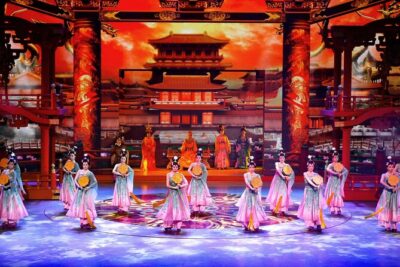 ★ 4.5Xi’an Tang Dynasty Show Ticket Optional Dumplings or Royal DinnerFrom $3775 reviews
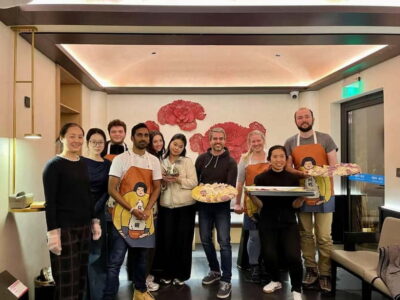 ★ 4.7Beijing: Dumpling Making Workshop with Meal and TeaFrom $3569 reviews
 ★ 5.0Online Cooking Class Beijing Dumplings and Cuisine by Sunflowerli Renowned ChefFrom $2065 reviews
 ★ 4.9Shanghai-Cooking Dumpling & Meal in Local Family-w/VeganFrom $8236 reviews
 ★ 4.9Beijing Hutong Food Crawl Delights: Peking duck, Hotpot&MoreFrom $8032 reviews
 ★ 4.5Skip the Line: Xi’an Tang Dynasty Show Ticket & Dumpling Dinner or Royal BanquetFrom $3728 reviews
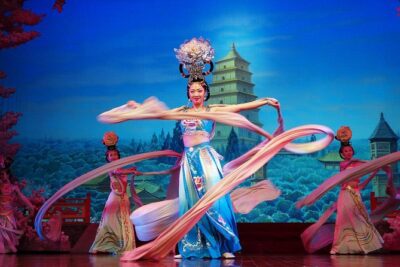 ★ 4.0Xi’an Dumpling Banquet and Tang Dynasty ShowFrom $10121 reviews
Browse the lists this tour appears in