
REVIEW · MARKETS
3-Hour Herbal Wholesale TCM Market and a Local Wet Market Tour
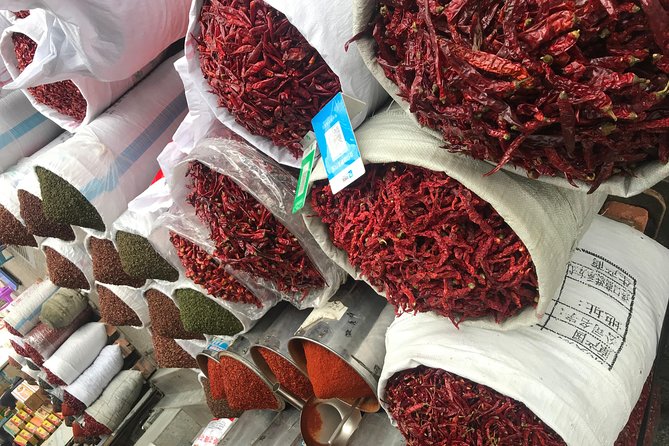
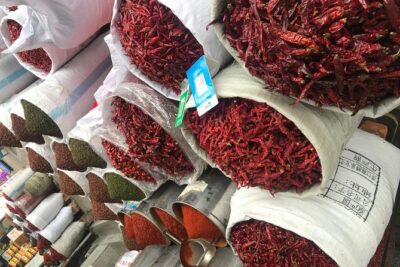
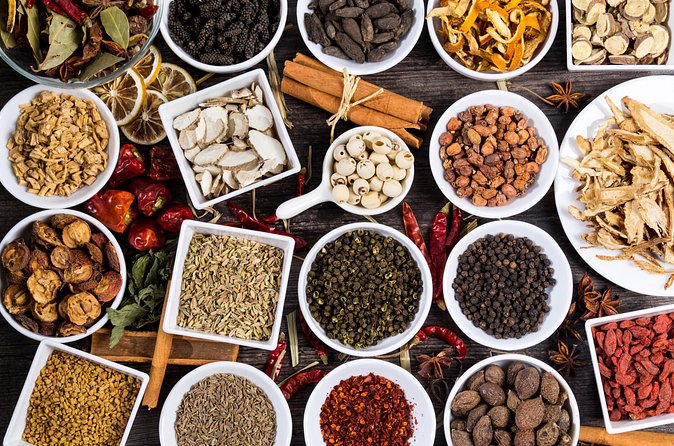
Chengdu smells like spices and remedies. This guided 3-hour market walk sends you into TCM herb stalls where you can see hundreds of kinds of dried plants and more than a thousand types of herbs, plus rows of Huajiao and chili peppers sorted by origin.
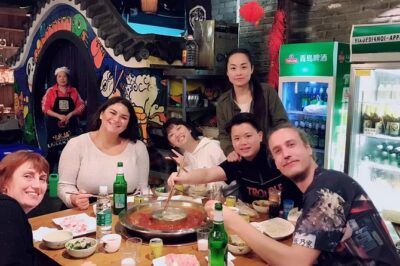
I also like the way the tour feels low-pressure and practical. You pair the herbal wholesale market with a local wet market look at everyday ingredients, and your guide team (Lance, with his partner) keeps it relaxed pace and conversation-friendly, so you can ask questions about Chinese medicine and Chengdu life. The main consideration: the aromas can be intense, and it is still a walking tour, so comfortable shoes help.
In This Review
- Key highlights at a glance
- How the 3-hour Chengdu market walk fits your day
- Entering the Chengdu TCM wholesale spice market
- What you will notice right away
- Why the TCM angle is more than a novelty
- The spice comparisons that make this tour useful
- Adding a local wet market for real-life food context
- Lance and his partner: what a good guide does here
- What to do with all those herbs and spices (without getting lost)
- Price and value: is $46.16 a good deal?
- Logistics that actually matter on market days
- Who should book this tour, and who might skip it
- Should you book this Chengdu herbs and wet market tour?
- FAQ
- How long is the herbal and wet market tour in Chengdu?
- Where does the tour meet?
- Does the tour offer pickup?
- Is this tour private?
- What markets does the tour include?
- What is the cancellation policy?
Key highlights at a glance
- More than a thousand herbs and plants in a wholesale-style TCM setting, with plenty to visually compare
- Huge chili and Sichuan peppercorn focus, including huajiao and multiple chili types from different places
- Turmeric and non-Sichuan pepper varieties, so you do not only see one regional flavor story
- Two-market combo: herbal wholesale plus a local wet market for a broader Chengdu food and ingredient feel
- Guide Lance and partner, described as professional and kind, with lots of opportunity for questions
- A laid-back format, not a nonstop schedule of stop after stop
Other Chengdu trips our reviewers kept returning to
- Half-Day Chengdu Cooking Class with a Local Market Visit★ 5.0 · 465 reviews
- Half-Day steamed Buns Cooking Class with a Local Market Visit★ 5.0 · 26 reviews
- Half-Day Professional Mapo Tofu Cooking with a Local Market Visit★ 5.0 · 19 reviews
- Half-day Dandan Noodles Cooking Class with a Local Market Visit★ 5.0 · 8 reviews
How the 3-hour Chengdu market walk fits your day
This is a compact, roughly 3-hour walking experience designed to cover two different sides of Chengdu’s food and medicine world. The session is easy to plan around, and it is built for a real stroll, not a long bus ride and tour-bus theater.
You meet at Wenshu Yuan Monastery, 66 Wen Shu Yuan Jie, Qing Yang Qu, Cheng Du Shi, Si Chuan Sheng, China, 610084. The location is near public transportation, and the tour ends back at the meeting point. If pickup is offered for your booking, you can usually reduce the stress of getting to the start area, which matters because markets make you move.
This is also a private tour/activity, meaning it is only your group. That tends to make conversations easier, especially in places where the guide is translating what you are seeing among the piles, jars, and sacks.
Entering the Chengdu TCM wholesale spice market
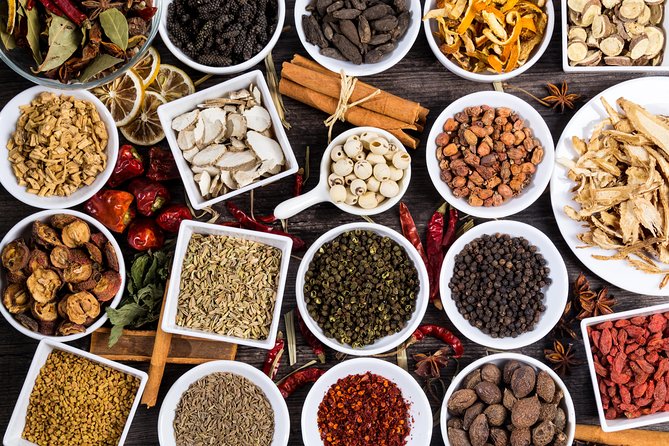
The heart of the tour is a wholesale market centered on Sichuan spices and Traditional Chinese Medicine (TCM) ingredients. It is not just a “look but do not touch” stop. The whole point is helping you recognize categories, understand why these goods matter, and notice differences in origin and type.
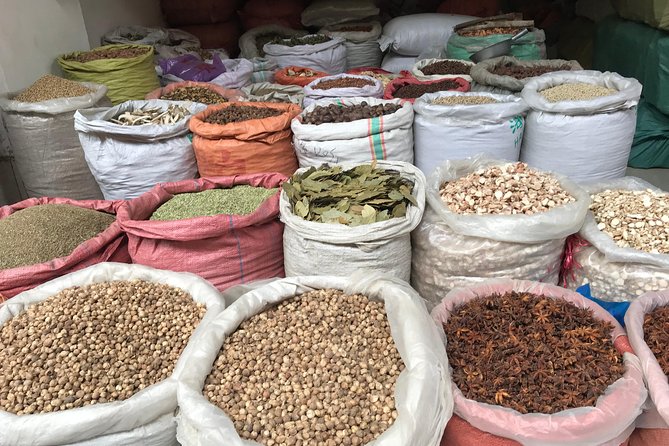
You are guided through what the tour frames as a marketplace for spices like turmeric and a wide range of peppers. Expect to see more than 10 kinds of chili pepper and huajiao (Sichuan peppercorn), including options said to come from different places. You also get a chance to compare Sichuan-focused ingredients with peppers from non-Sichuan sources, which is a great way to understand that “chili” is not one single thing in Chinese cooking and medicine.
What you will notice right away
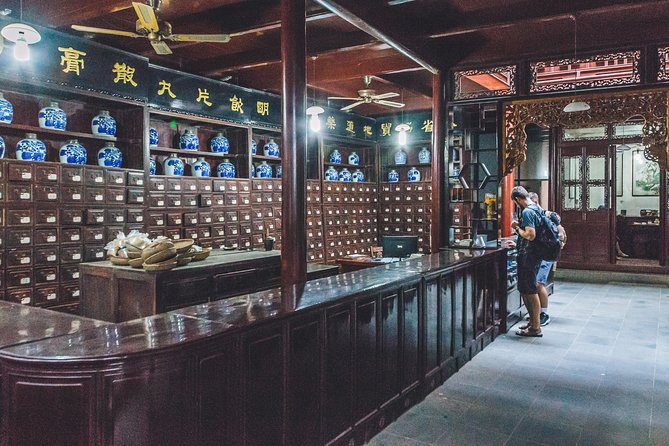
Markets like this are sensory, and that is the attraction. The tour description highlights a strong smell as you move into the covered market areas. You will likely feel like you are walking through an herb cabinet, because the stalls are stocked with dried plants and traditional ingredients.
Why the TCM angle is more than a novelty
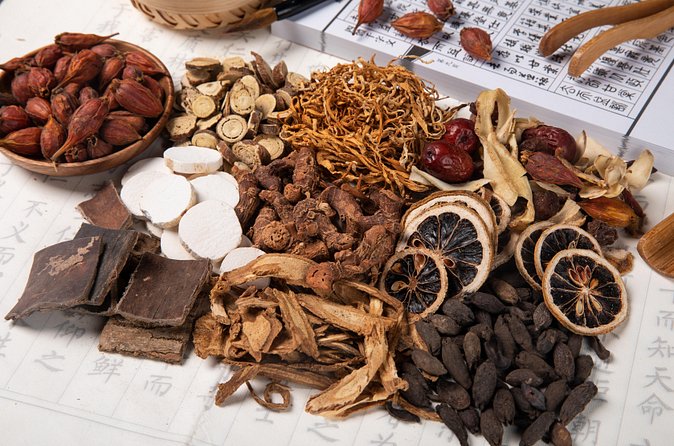
TCM is a major thread in Chinese culture, and this tour tries to connect ingredients to that bigger system. The guide’s job is to explain why these herbs and spices have mattered for thousands of years and why they became part of Chinese life, food, and healing practices. Even if you are not a science-based TCM believer, seeing the ingredients in bulk and hearing the traditional logic behind how they are used gives you a grounded understanding.
Other Chengdu trips our reviewers kept returning to
The spice comparisons that make this tour useful
A lot of spice tours show you a few jars and move on. This one leans into comparison. You are not only told what to look for, you are walked through a setup where you can actually see variety: multiple chili types, huajiao from different origins, and turmeric alongside peppers beyond the Sichuan label.
Here are the kinds of details you can focus on during the walk:
- Origin matters: the tour highlights that huajiao and chili peppers come from different places, which is a clue that flavor and strength may shift.
- Sichuan peppercorn is a category, not a gimmick: you get repeated attention on huajiao, so you will not miss why it shows up in Sichuan cuisine.
- Turmeric is part of the broader spice story: it is not only about chili heat.
If you like to cook, this is the kind of market where you can turn “I like spicy food” into more specific buying decisions. If you do not cook, the same comparisons still help you decode menus later, because you start to recognize what a dish is really leaning on.
Adding a local wet market for real-life food context
The tour pairs the herbal wholesale market with a local wet market look, so you leave with more than dried ingredients. Instead, you get a sense of how Chengdu shopping looks for everyday food.
This pairing matters because it connects two worlds:
- The herbal and spice wholesale side, where ingredients are processed, dried, and categorized
- The wet market side, where food is closer to fresh and part of daily routines
In practical terms, you also get a more complete picture of local life. The tour experience is described as professional and kind, and that helps because you will probably have questions. The guide team makes it easier to ask about the routine of shopping and how people think about ingredients.
Lance and his partner: what a good guide does here
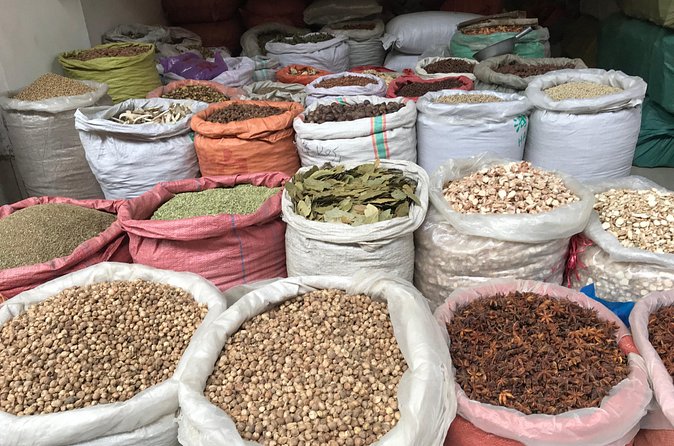
A market like this can be overwhelming. Thousands of herbs, bins of pepper, and a language barrier can quickly turn your visit into random wandering. That is why the guide quality is a big part of the value.
Lance is the named guide, and his partner helps lead through the lanes. The tone that shows up in the tour experience is competence plus kindness, with a clear focus on Chinese medicine and cuisine. People who take this tour seem to like that the explanation stays grounded and that you can ask questions instead of just watching.
This is also where the tour’s laid-back vibe helps. The tour description emphasizes an easygoing flow, not an activity sprint. That gives you time to look, pause, and ask why something is grouped the way it is.
What to do with all those herbs and spices (without getting lost)
You do not need to be a TCM expert to enjoy this. You do need a simple strategy.
First, decide what you want from the visit:
- If you want flavor understanding, focus on chili types and huajiao comparisons.
- If you want TCM insight, pay attention to the herb categories and the traditional logic the guide explains.
- If you want shopping ideas, treat the walk like a visual inventory, then ask the guide which ingredients are practical to look for.
Second, bring a mindset of slow observation. The covered market area and the strong aromas are part of the experience. If you rush, you will miss the comparisons the tour is actually built around.
And third, plan your purchases carefully. The tour does not promise tastings or special shopping sessions in the info provided, so the safest approach is to treat buying as an optional add-on. Ask questions about what you are seeing first, then decide.
Price and value: is $46.16 a good deal?
At $46.16 per person for an approximately 3-hour guided walk, this can feel like good value, especially because the experience includes:
- A private format for your group
- Pickup offered (when available for your booking)
- A guide-led route through multiple relevant market areas
- An admission ticket listed as free
- A combo format, herbal wholesale plus a local wet market
It is also helpful that this is typically booked ahead, with an average booking window of about 22 days. If you are traveling during peak seasons or weekends, you will likely want to lock your spot early to avoid schedule gaps.
A quick reality check: this is a walking market tour. If you want an air-conditioned museum with guaranteed comfort, this is not that. But if you want a guided way to understand Chengdu ingredients in real market conditions, the price lines up well with what you get.
Logistics that actually matter on market days
A few practical notes make or break market tours like this.
- It starts at Wenshu Yuan Monastery, so if you are already in that area, you can time your day around it.
- It is near public transportation, which helps if pickup is not available to you.
- The tour is described as easy enough that most travelers can participate, which usually means the pace is reasonable.
- The experience requires good weather, and if it is canceled due to poor weather, you will be offered another date or a full refund.
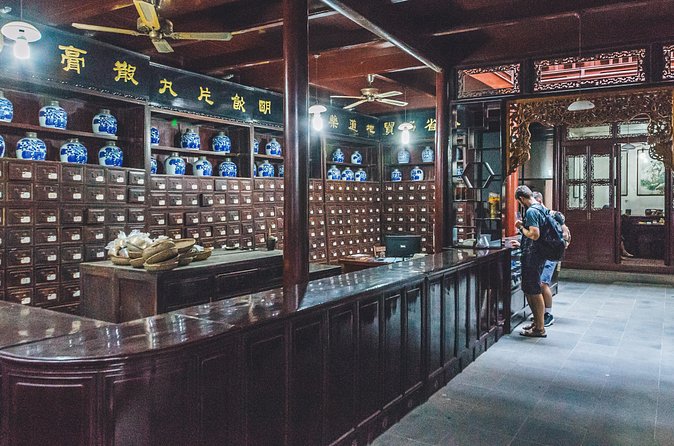
Also, you should expect a market environment with covered areas and dense stalls. Even when a tour is relaxed, you will still be moving and standing. Comfortable shoes are not optional.
Who should book this tour, and who might skip it
You should strongly consider booking if:
- You are curious about TCM ingredients and want to see them in a real market setting
- You want to understand Sichuan flavor basics, especially huajiao and multiple chili types
- You prefer a laid-back guide style with time for questions, not a rushed checklist
- You like food culture and want a wet market pairing for context
You might reconsider if:
- Strong herbal aromas are unpleasant for you
- You dislike walking in crowded market spaces
- You only want big-name sights and do not care about food and medicine ingredients
Should you book this Chengdu herbs and wet market tour?
If you like the idea of learning why ingredients matter, this is an excellent fit. The strongest selling points are the combination of TCM wholesale herb variety, the guided focus on chili pepper and huajiao origin, and the addition of a local wet market for everyday food context. With Lance and his partner guiding you through the stalls at a relaxed pace, you are not just seeing spices, you are getting a way to make sense of what you are seeing.
If you are building a Chengdu trip that connects cooking, culture, and local shopping, this is one of those practical experiences that pays off later when you read menus or plan your next spice purchase.
FAQ
How long is the herbal and wet market tour in Chengdu?
The tour lasts about 3 hours.
Where does the tour meet?
The meeting point is Wenshu Yuan Monastery, 66 Wen Shu Yuan Jie, Qing Yang Qu, Cheng Du Shi, Si Chuan Sheng, China, 610084.
Does the tour offer pickup?
Pickup is offered, depending on the booking details.
Is this tour private?
Yes. It is a private tour/activity, and only your group participates.
What markets does the tour include?
It is described as a herbal wholesale TCM market tour and also includes a local wet market tour.
What is the cancellation policy?
You can cancel for free up to 24 hours in advance for a full refund. The experience requires good weather, and if it is canceled due to poor weather, you will be offered a different date or a full refund.
More Shopping Tours in Chengdu
More Tours in Chengdu



More Tour Reviews in Chengdu
Chengdu, reviewed one booking at a time
- Wolong Panda Base Volunteering Program from Chengdu
★ 5.0 · 3 reviews - Mt Emei and Giant Buddha 2 Days Tour
★ 4.5 · 3 reviews - Half-Day Private Hot-Pot Cooking Class with a Local Market Visit
★ 5.0 · 3 reviews - Private 1-Day: Panda and Chengdu Local Life (Make Vlog for you)
★ 5.0 · 3 reviews - Ticket reservation for Chengdu Giant Panda Breeding Base
★ 5.0 · 3 reviews - Sanxingdui Museum Small Group Tour with Optional Panda Base
★ 5.0 · 3 reviews
Markets, compared.
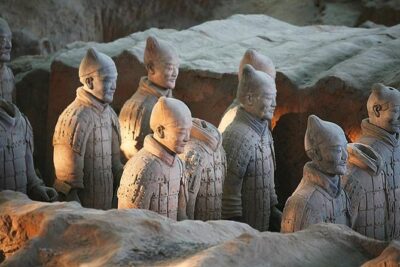 ★ 5.0Mini Group Xian Day Tour to Terracotta Army, City Wall, Pagoda and Muslim BazaarFrom $491,320 reviews
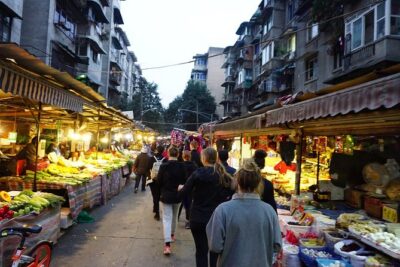 ★ 5.0Half-Day Chengdu Cooking Class with a Local Market VisitFrom $90465 reviews
 ★ 5.0Shanghai Day Tour to Zhujiajiao Water Town, Yu Garden, Bazaar, BundFrom $229162 reviews
 ★ 5.0Xi’an: Terracotta Army, Lunch, City Wall, Pagoda, BazaarFrom $4872 reviews
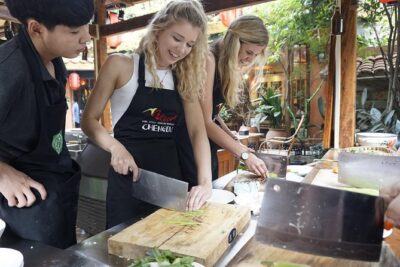 ★ 5.0Half-Day Xi’an Biang Biang Noodles Cooking with a Market VisitFrom $7548 reviews
 ★ 5.0Lijiang Naxi Cuisine Cooking Class & Market VisitFrom $5948 reviews
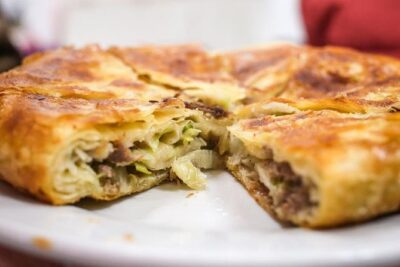 ★ 5.0Xi’an Morning Food & Market Tour by TukTukFrom $5846 reviews
 ★ 5.0Chengdu: Cooking Class with Fresh Market Half Day ExperienceFrom $8242 reviews
Browse the lists this tour appears in