
REVIEW · MARKETS
Half-Day steamed Buns Cooking Class with a Local Market Visit
Steamed bao zi start with spices you can smell. This half-day class in Chengdu pairs a local spice market walk with hands-on instruction in making stuffed, steamed buns in a traditional Sichuan courtyard kitchen.
What I like most is the way the market visit connects flavor to real ingredients, not just recipes. I also like that the cooking portion focuses on one clear goal, bao zi, so you finish knowing exactly how the dough and filling work together.
One consideration: the experience runs about 4 hours and you will be doing real hands-on work in a small kitchen setting, so go in with comfortable clothes and shoes that can handle a bit of flour and standing.
In This Review
- Key Things That Make This Chengdu Bao Zi Class Worth Your Time
- Market Spices First, Bao Zi Second
- The Local Spice Market Walk at Chilli Cool China
- How the Kitchen Session Works at Chilli Cool’s Kitchen
- Sichuan Tea and the Courtyard Feeling
- What You Eat at the End, With Drinks
- Price and Value: Is $80 Fair for 4 Hours?
- Who This Tour Fits Best
- Logistics That Actually Matter Before You Go
- What to Ask Your Guide During the Class
- Should You Book This Chengdu Bao Zi Market and Cooking Class?
- FAQ
- How long is the Bao Zi cooking class and market visit?
- Where does the tour start?
- Is the tour offered year-round or in bad weather?
- Is there a vegetarian option?
- What does the price include?
- What is the age limit for participants?
- How many people are in a group?
Key Things That Make This Chengdu Bao Zi Class Worth Your Time
- Spice market first, so Sichuan flavor makes sense before you touch dough
- Traditional courtyard kitchen, not a bland classroom setup
- English-speaking guide to translate ingredients and methods clearly
- Tea on arrival and drinks with your meal at the end
- Small group size (maximum 15), which helps if you want questions answered
Other Chengdu trips our reviewers kept returning to
- Half-Day Chengdu Cooking Class with a Local Market Visit★ 5.0 · 465 reviews
- Half-Day steamed Buns Cooking Class with a Local Market Visit★ 5.0 · 26 reviews
- Half-Day Professional Mapo Tofu Cooking with a Local Market Visit★ 5.0 · 19 reviews
- Half-day Dandan Noodles Cooking Class with a Local Market Visit★ 5.0 · 8 reviews
Market Spices First, Bao Zi Second
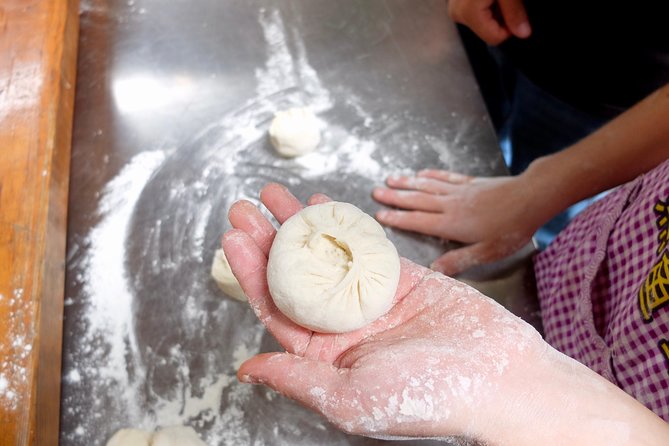
This tour is built for people who like learning by doing, not just watching. You start by walking through a local spice market, where Sichuan ingredients are the star of the show. Then you move into the cooking space and turn what you learned into something you can actually eat, your own steamed bao zi.
The best part is the order. If you try the bun first, the spices can feel mysterious. Here, you get eyes-on and nose-on learning first, which makes the later cooking step feel less like a trick and more like a process you understand.
The Local Spice Market Walk at Chilli Cool China
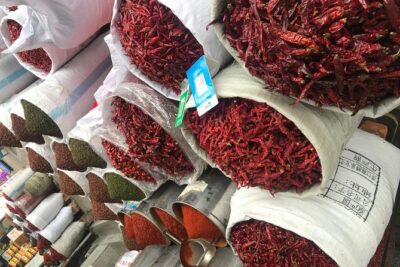
The start of the experience is a local market visit that kicks off your Sichuan ingredient education. You’ll be guided through the stalls, with a focus on the spices and ingredients that will show up later in your bao zi filling.
In practical terms, this is where you learn to tell the difference between similar-looking flavor makers. Sichuan cooking is not just about heat, it’s about layers. Your guide helps you connect those layers to specific ingredients, so you can recognize what you are smelling and why it matters.
I also like that you get an active, slightly playful structure during the market portion. The tour isn’t just walking and listening. You’re given fun challenges, which keeps attention up and makes the time feel more like a guided hunt than a lecture.
A bonus you should plan for mentally: the market is where you may hear more Chinese words for vegetables, spices, and cooking terms. One review highlights that the group got to use a little Chinese along the way, and that is exactly the kind of detail that makes a food trip feel more real.
How the Kitchen Session Works at Chilli Cool’s Kitchen
After the market, you head to the kitchen portion, where a professional chef leads the cooking steps. This part is the heart of the value, because you are not just sampling bao zi. You’re learning the hands-on method for making steamed buns with filling.
The setting is described as a cozy kitchen in a traditional Sichuan style courtyard. Even if you are not a cooking fanatic, that matters. Kitchens like this usually have a rhythm to them, and you feel like you are stepping into a local workflow rather than attending a demo.
Your class focuses on bao zi specifically, which is a smart choice. It prevents “too many dishes” syndrome and helps you build skill where it counts: dough handling, filling, and steaming. You’ll also have help from the guide and chef, so if your folds or shaping are less than perfect, you still end up with edible results.
Sichuan Tea and the Courtyard Feeling
You’ll be treated to Sichuan local tea as part of the experience, and it’s framed as a local custom to welcome friends and visitors. That might sound like a small detail, but it’s a meaningful pause between the market energy and the focused kitchen time.
I find this kind of tea break does two things:
- It slows you down so you can pay attention to what comes next.
- It helps your palate reset, especially since markets can be intense with smells and taste.
If you are someone who gets overwhelmed easily by food tourism, this is the kind of gentle pacing that keeps things enjoyable.
Other Chengdu trips our reviewers kept returning to
What You Eat at the End, With Drinks
At the end, you get to eat the bao zi you made. That is the payoff, and it’s also why this tour is better than a cooking class where you leave hungry or uncertain about what you just learned.
The tour also includes beers or beverages with your meal. Even if you do not drink alcohol, the point here is that your final stage is a sit-and-enjoy meal, not a quick taste test and a rush back out.
The menu structure is simple:
- You learn and build the buns during class
- Then you feast on your own steamed bao zi
- You drink tea earlier, and beverages with the meal at the end
Price and Value: Is $80 Fair for 4 Hours?
At $80 per person for about 4 hours, this sits in the “pay for experience, not just ingredients” category. You are paying for several things at once:
- A guided market walk focused on spices and ingredients
- English support so you understand what you are seeing and buying
- A chef-led cooking class with actual hands-on instruction
- Food ingredients plus light refreshments
- Beverages or beer with your meal
- And lunch or dinner included based on your class schedule
For Chengdu food experiences, what makes this price feel more reasonable is the combination. A market visit alone can become expensive when you add real guide time. A cooking class alone can be cheaper, but you miss the ingredient context that helps the learning stick.
Also, the group is capped at 15 travelers. That smaller size tends to make instruction more practical. It matters when you need help shaping dough or troubleshooting filling.
Who This Tour Fits Best
This is a great fit if you:
- Want a food-focused tour that teaches more than it entertains
- Enjoy Sichuan flavors and want ingredient context, not just heat
- Prefer a structured experience with one main dish goal (bao zi)
- Like small-group learning, where you can ask questions
It’s also a good choice if your itinerary is tight. The half-day timing means you get a meaningful culinary experience without burning an entire day.
Logistics That Actually Matter Before You Go
A few practical notes can help you plan smoothly.
Wear comfortable walking shoes. You will do market walking before cooking, so blisters are the enemy.
This runs in all weather. Since it operates regardless of conditions, dress for rain or sun as needed. Bring a light layer even in warm months, because kitchens and market areas can vary.
Minimum age is 5. If you are traveling with kids, this is designed with families in mind.
Vegetarian option is available. If that matters to you, advise at booking so the ingredients and filling choices work for your needs.
One important admin detail: the tour requires passport information, including passport name, number, expiry, and country, for all participants at the time of booking. That’s not unusual for China, but it can be a hassle if you wait.
Finally, you’ll receive a mobile ticket, and the tour ends back at the meeting point.
What to Ask Your Guide During the Class
Because this is a guided market plus cooking session, you’ll get more out of it if you ask a few targeted questions. Here are questions that connect directly to what you’re doing:
- Which Sichuan ingredients are the ones you think people miss at home?
- How do the spices change the flavor of the filling?
- If someone wants less heat, what ingredient can be adjusted?
- What is the most common mistake people make with bao zi dough or folding?
Also, if your guide is named Lance or Jerry (names that have come up with this experience), lean into their strengths. One review praised Lance for taking lots of fabulous pictures, and another mentioned Jerry being patient and explaining unfamiliar vegetables clearly. In other words, ask things and let the guide translate your confusion into clarity.
Should You Book This Chengdu Bao Zi Market and Cooking Class?
I would book it if you want a food activity with real learning, not just a meal. The market portion gives you context for the spices, and the cooking portion gives you a practical skill you can repeat later.
I would skip it only if you hate hands-on cooking or if you want a broader sampler of multiple dishes. This tour is intentionally focused on bao zi, so it’s less of a “try everything” buffet-style experience.
If you want a memorable, structured way to understand Sichuan flavors and bring home the satisfaction of eating what you made, this one is a strong choice.
FAQ
How long is the Bao Zi cooking class and market visit?
It runs about 4 hours (listed as approximately 4 hours, sometimes described as 4 to 5 hours).
Where does the tour start?
The meeting point is 167 Yi Huan Lu Bei San Duan, Jin Niu Qu, Cheng Du Shi, Si Chuan Sheng, China, 610051.
Is the tour offered year-round or in bad weather?
Yes. The activity operates in all weather conditions, so dress appropriately.
Is there a vegetarian option?
Yes. A vegetarian option is available. You should advise the provider at the time of booking.
What does the price include?
It includes an English speaking guide, the market tour, food ingredients, light refreshments, beverages or beer, and lunch or dinner based on your class schedule.
What is the age limit for participants?
The minimum age is 5 years.
How many people are in a group?
The maximum group size is 15 travelers.
More Markets in Chengdu
More Shopping Tours in Chengdu
More Tour Reviews in Chengdu

Chengdu, reviewed one booking at a time
- Wolong Panda Base Volunteering Program from Chengdu
★ 5.0 · 3 reviews - Mt Emei and Giant Buddha 2 Days Tour
★ 4.5 · 3 reviews - Half-Day Private Hot-Pot Cooking Class with a Local Market Visit
★ 5.0 · 3 reviews - Private 1-Day: Panda and Chengdu Local Life (Make Vlog for you)
★ 5.0 · 3 reviews - Ticket reservation for Chengdu Giant Panda Breeding Base
★ 5.0 · 3 reviews - Sanxingdui Museum Small Group Tour with Optional Panda Base
★ 5.0 · 3 reviews
Markets, compared.
 ★ 5.0Mini Group Xian Day Tour to Terracotta Army, City Wall, Pagoda and Muslim BazaarFrom $491,320 reviews
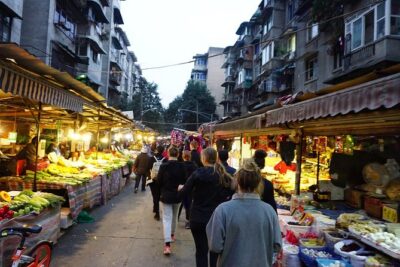 ★ 5.0Half-Day Chengdu Cooking Class with a Local Market VisitFrom $90465 reviews
 ★ 5.0Shanghai Day Tour to Zhujiajiao Water Town, Yu Garden, Bazaar, BundFrom $229162 reviews
 ★ 5.0Xi’an: Terracotta Army, Lunch, City Wall, Pagoda, BazaarFrom $4872 reviews
 ★ 5.0Lijiang Naxi Cuisine Cooking Class & Market VisitFrom $5948 reviews
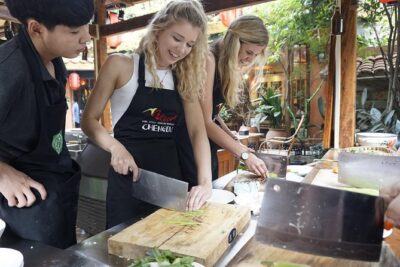 ★ 5.0Half-Day Xi’an Biang Biang Noodles Cooking with a Market VisitFrom $7548 reviews
 ★ 5.0Xi’an Morning Food & Market Tour by TukTukFrom $5846 reviews
 ★ 5.0Chengdu: Cooking Class with Fresh Market Half Day ExperienceFrom $8242 reviews
Browse the lists this tour appears in