
REVIEW · LHASA & THE TIBETAN PLATEAU
10 Days Tibet Everest Base Camp and Namtso Small Group Tour
Everest is easier with the right plan. This 10-day small-group circuit moves you from Lhasa’s most famous temples to Rongbuk for Everest viewpoints, then on to Lake Namtso. I like that the trip runs with an English-speaking Tibetan guide, so the stories make sense as you move through sacred places. I also love the small-group minibus feel, where you are not lost in a crowd.
The big thing to consider is altitude and long road time. You will cross very high passes on travel days, including up to 5,248 m, and you will spend lots of hours in the vehicle. Lodging near Everest can be simple, and the tour includes an oxygen cylinder in the car for comfort and safety.
In This Review
- Key highlights worth getting excited about
- The overall rhythm: a Lhasa to Everest to Namtso circuit
- Arriving in Lhasa: first views and a smooth landing
- Potala Palace, Jokhang Temple, and Barkhor Street on day 2
- Drepung and Sera: monastery time with real atmosphere
- Over high passes toward Shigatse and Gyantse: the road days you remember
- Rongbuk sunrise and Everest Base Camp: the “yes, it’s real” day
- Tashilunpo Monastery and the Panchen Lama seat
- Lake Namtso: highest saline sacred waters and the five-islet idea
- The people factor: why guides like Mr Lobsang, Ga Rong, and Tenzin matter
- Price and what you really get for $1,329
- What to pack and how to handle the altitude
- Small risks to factor in, including weather and transfer surprises
- Who should book this Everest Base Camp and Namtso small-group tour
- Should you book Tibet Vista’s 10-day Tibet, Everest Base Camp, and Namtso tour?
- FAQ
- What is the group size on this Tibet Everest Base Camp and Namtso tour?
- Where does the tour start and end?
- What does the tour cost, and is that price for a single room?
- Is pickup offered?
- What is included in the price?
- Are lunches and dinners included?
- Are entrance tickets fully included for all stops?
- Does the tour provide any help for altitude?
- What should I do for Tibet permits and visa documents?
- What is the cancellation window for a refund?
Key highlights worth getting excited about
- Small group size (up to 12) keeps the pace human and questions actually get answered.
- Everest sunrise area at Rongbuk gives you a real shot at that first light on the mountain.
- Lake Namtso sacred-views day includes a route to Stone Elephant Gate and time around Zhaxi Peninsula and the islands.
- Lhasa temples with local rhythm means you get Potala, Jokhang, and Barkhor kora atmosphere, not just photos.
- Oxygen support in the vehicle plus drinking water helps you stay steady on high-altitude days.
- Permits and tickets handled for much of the route so you spend less time worrying about paperwork.
More of the plateau, reviewed
- 7 Days Lhasa to Kathmandu Overland Small Group Tibet Tour via EBC★ 5.0 · 188 reviews
- 10 Days Tibet Everest Base Camp and Namtso Small Group Tour★ 5.0 · 108 reviews
- 4 Days Lhasa Impression Small Group Tour★ 4.5 · 67 reviews
- 9 Days Lhasa Gyantse Shigatse Everest Namtso Group Tour★ 4.0 · 21 reviews
The overall rhythm: a Lhasa to Everest to Namtso circuit
This is the kind of Tibet trip that works if you want “big icons” plus real culture, without doing logistics gymnastics. The structure is simple: you start in Lhasa to get your bearings, then you push outward toward the Everest region, and you finish by stepping into the quieter, holy geography of Lake Namtso.
The small-group size matters more than you might think. When you have up to 12 people, the guide can slow down for questions, explain what you are looking at, and help the group move efficiently through busy temple zones. You also tend to get better timing for short walks, like Barkhor Street or monastery courtyards, where a large bus group can turn into a bottleneck.
The other “rhythm” advantage is transportation. You travel by comfortable van or minibus with an experienced local driver, and gasoline is included. That is important in Tibet, where distances add up fast and you do not want your day hijacked by unclear transfer plans.
Arriving in Lhasa: first views and a smooth landing
Day 1 starts with a greeting and pickup at the airport or train station. From there, you transfer to a downtown Lhasa hotel. Even before you hit the temples, the drive gives you that first hit of Tibetan terrain and the Yarlung Tsangpo River scenery.
One practical detail I like here is how “settling in” is built into the itinerary. You are not thrown straight into a full day of monastery climbs after arrival. You get the transfer, you get downtown access, and you can use the evening to adjust your pace and drinking-water habits.
If you are arriving by train or flying into Lhasa and connecting from elsewhere, I strongly recommend you plan for a little buffer. One past trip account raised concerns around last-minute changes when an Xining to Lhasa train was canceled. The tour does include pickup and drop-off in Lhasa city, but if your arrival depends on rail timing, it pays to keep your schedule flexible and make sure transfer details are clear in advance.
Potala Palace, Jokhang Temple, and Barkhor Street on day 2
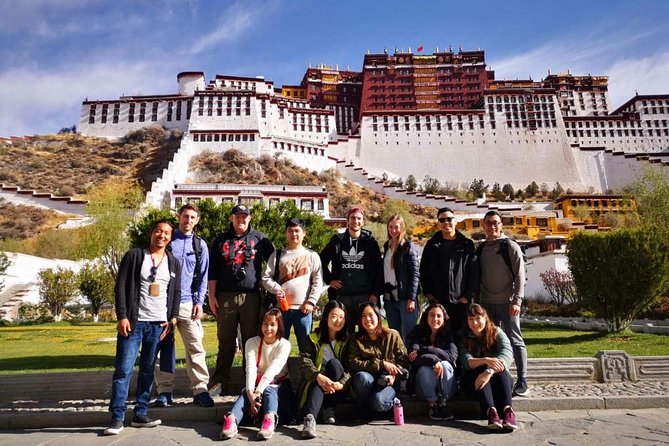
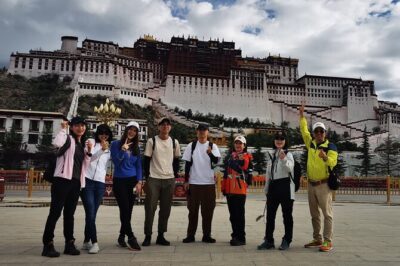
Day 2 is a Lhasa classic, and it is also a good test of whether a guided trip will help you understand the place. You start with Potala Palace, described as the winter palace of the Dalai Lama, used since the 7th century. The grand spaces can feel overwhelming on your own, but with an English-speaking guide you are more likely to catch the meaning of what you see, not just the wow factor.
After that comes Jokhang Temple. The tour frames it as a 7th-century foundation tied to a famous king, and it points out a specific interior focus: the Buddha Sakyamuni statue at the age of twelve. That kind of detail makes the visit feel personal, because you know what to look for instead of wandering until you are tired.
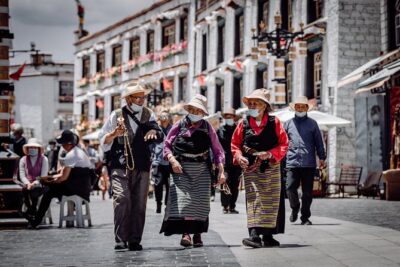
Then you step into Barkhor Street around Jokhang. This is where Lhasa changes temperature. The walking rhythm follows the kora, religious circles around the temple, with pilgrims and locals moving steadily. You also get a chance to taste Tibetan tea with locals during the visit. That tea stop is small, but it is the sort of moment that turns a sightseeing day into something more human.
One drawback to keep in mind: Potala Palace and Jokhang Temple are marked as admission not included in the day-by-day details you will receive. That does not mean you will not pay less overall, but it does mean you should expect the possibility of extra ticket spending once you are in Lhasa. Confirm what is included for these specific sites before you go.
Drepung and Sera: monastery time with real atmosphere
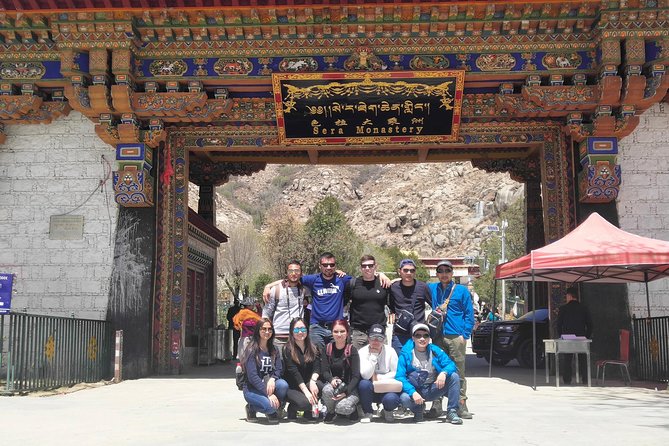
Day 3 is built around Drepung Monastery (Zhebang Si) in the morning, then Sera Monastery in the afternoon. The Drepung portion pairs with a visit to Dadong Village, described as well-protected and ancient, about 25 km southwest of central Lhasa. This works well because it gives you a softer landing from the big-city temple energy into older, village-scale Tibetan life.
For many first-timers, Drepung can look like “more of the same” if you do not have guidance. With an attentive guide, you are more likely to notice how monastic layout supports community, learning, and ritual movements. Even the walking time matters, because you spend less time “shopping for a view” and more time absorbing how the place functions.
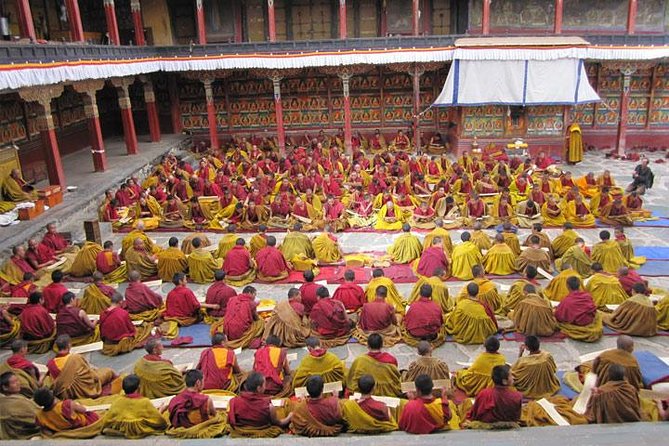
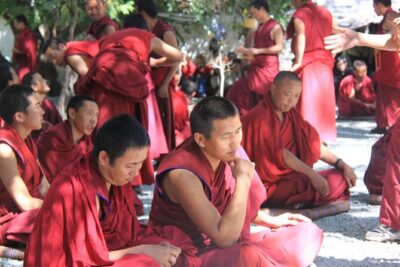
In the afternoon, you reach Sera Monastery, one of the “great three” Gelug monasteries. The main attraction is the monks’ debate around 3 to 5 in the afternoon. That debate is not just performance. It is part of how Buddhist education takes place in public spaces, and it is often the moment where people realize this is living practice, not just architecture.
Sera is listed with admission included, which helps keep costs a bit predictable on this day. As always, check the timing rules on site, because debates can follow strict schedules and weather or crowd flow can affect what you actually witness.
Over high passes toward Shigatse and Gyantse: the road days you remember
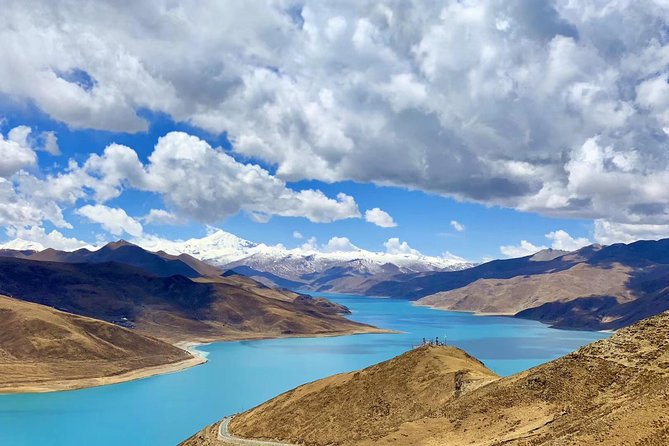
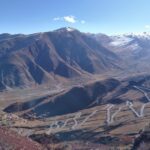
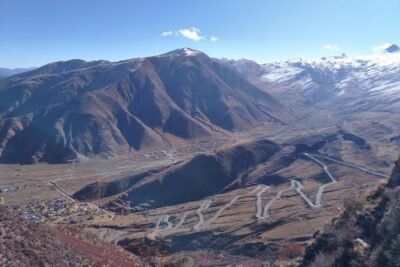
Days 4 and 5 are where you feel the scale of Tibet. The trip heads from Lhasa toward Shigatse and Gyantse, crossing passes that sit well above 4,000 m. You also pass iconic scenery like Yamdrok Yumtso Lake, seen when the drive crosses Gampala Pass at about 4,790 m, plus views around the Karola Glacier and Manak Dam Lake.
A small but useful detail is that the route does not keep you stuck indoors. You get roadside viewpoints, time to see snow-capped mountain ranges, and brief stops for photo-level breaks. These are not long hikes, but they do help you connect the dots between what you learned in Lhasa and what the landscape demands from travelers.
Day 5 includes a stop at Qomolangma National Nature Preserve, plus passes like Tsola (about 4,600 m) and Gyatsola (about 5,248 m). That is a big altitude jump, even if you are not stepping out to trek. If you are prone to altitude headaches or nausea, this is the part of the trip where you want to hydrate steadily, keep moves gentle, and let your guide know early if you feel off.
Also watch the ticket coverage here. Qomolangma National Nature Preserve is marked as admission not included in the day notes. So again, it is worth confirming what you will pay separately versus what your tour cost already covers.
Rongbuk sunrise and Everest Base Camp: the “yes, it’s real” day
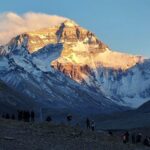
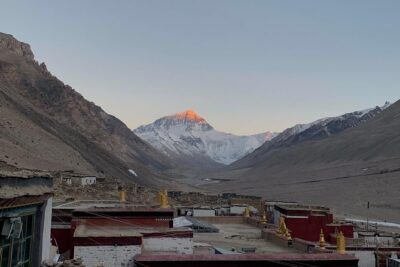
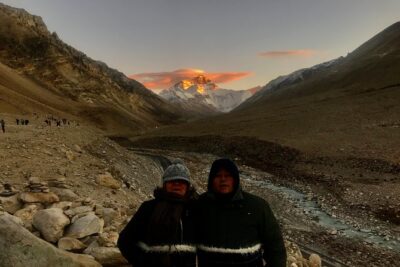
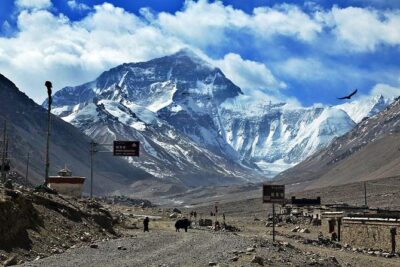
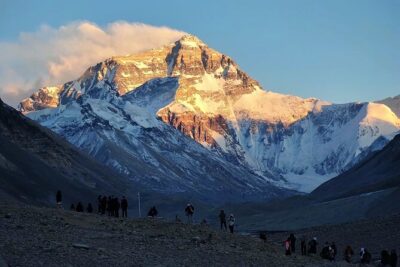
The Everest day is built around the Rongbuk Monastery area and early viewing. Day 6 is where you can see sunrise appear over Mount Everest from the Rongpuk vantage point. The tour describes Everest as a snow-capped pyramid in front of you, and whether the weather cooperates or not, this is one of the most dramatic parts of Tibet to experience.
After that, the route includes access related to Everest Base Camp, including an Everest Base Camp Echo bus included in the overall inclusions. That matters because you are dealing with a high-altitude zone where “just walk there” is not realistic for most people. Using the included shuttle approach helps the day stay efficient, so you spend time outside where it counts.
Practical expectations: you are still at altitude. Even if you are not trekking, you might feel thin air in your lungs and a slower rhythm in your body. The tour’s included oxygen cylinder in the car helps with comfort during driving, but I still treat cold air and sun as major factors. Dress in layers, protect your face, and do not underestimate how sharp the wind can feel before the sun fully warms the valley.
Also keep in mind that this is a “weather-dependent” area. The trip notes that some activities might be altered or canceled due to force majeure like bad weather. That is not a reason to panic, but it is a reason to plan your mindset. If cloud cover hides the view, the day still has meaning through the atmosphere and the sacred Everest corridor, but your photo expectations should stay flexible.
Tashilunpo Monastery and the Panchen Lama seat
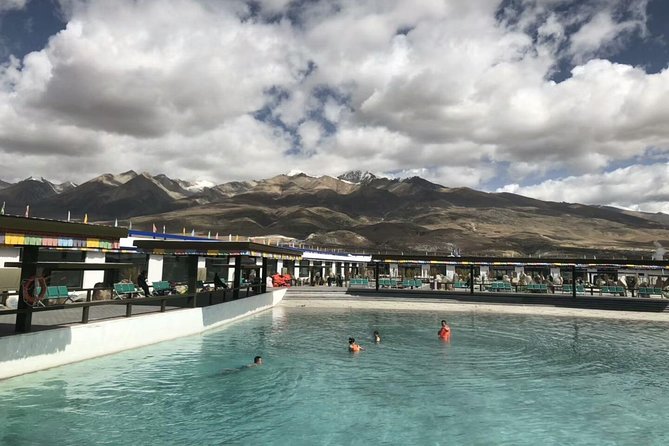
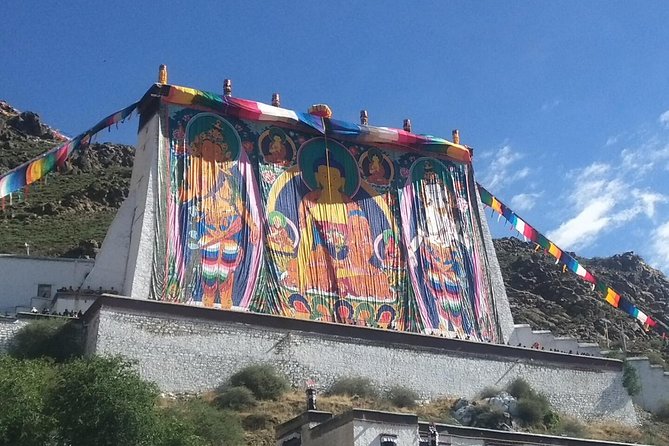
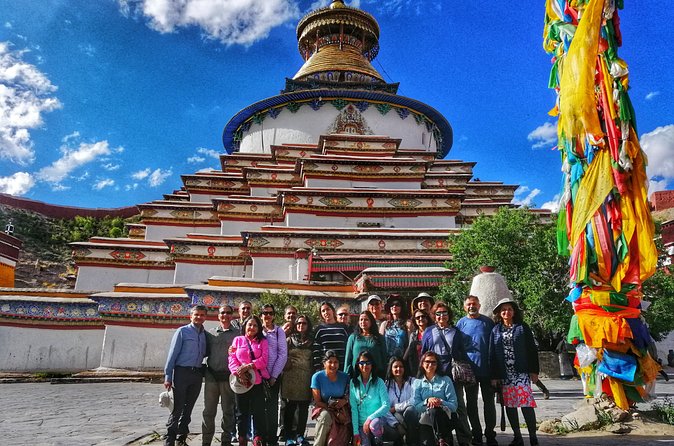
Day 7 turns the volume down from Everest intensity back to monastic life. You visit Tashilunpo Monastery, described as the seat of Tibet’s second highest incarnation, the Panchen Lama. Then you drive about 175 miles (around 280 km) back toward Lhasa by late stage of the day.
This section is valuable because it gives you a more complete picture of Tibetan Buddhism beyond just the Dalai Lama axis you see in Lhasa’s big temples. Tashilunpo adds another religious geography layer, and it helps you understand why these institutions matter to communities, not just to scholars.
Admission for Tashilunpo is listed as not included in the day notes, so plan for a potential on-site ticket. Still, the learning value is high when your guide ties together what you saw earlier in Lhasa with what you are seeing here.
Lake Namtso: highest saline sacred waters and the five-islet idea
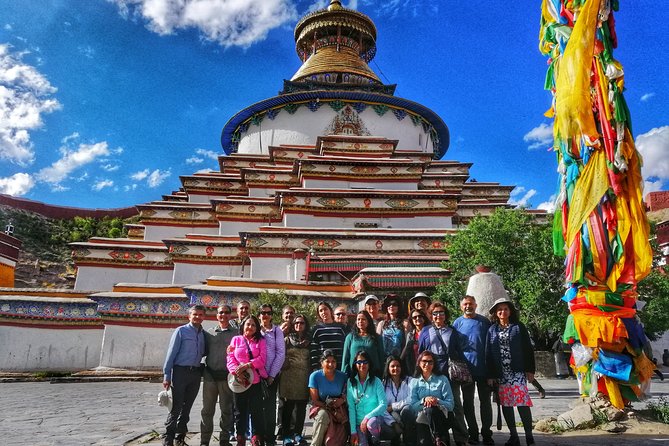
Days 8 and 9 are your Namtso segment. This is a different kind of beauty from Everest. It is more spacious, more spiritual, and often more about stillness than scale.
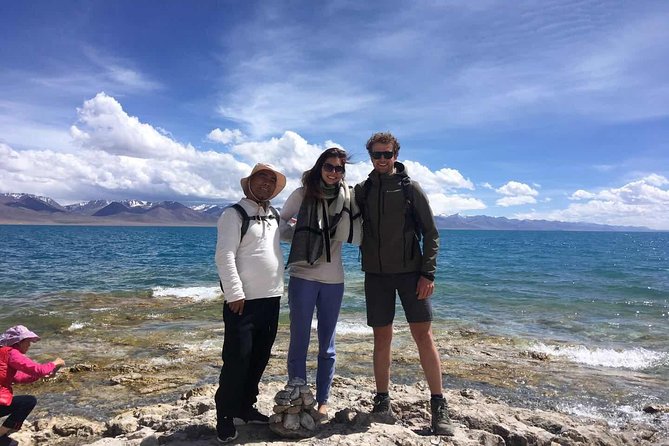
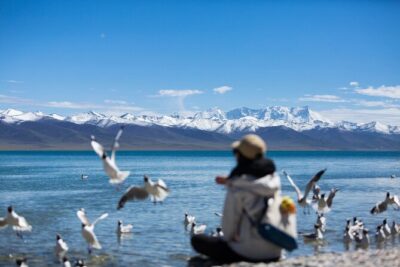
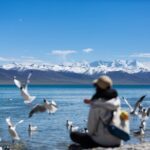
Day 8 drives from Lhasa to Lake Namtso, described as one of Tibet’s four holy lakes and the highest saline lake in the world. The tour mentions scenic views of the Nyenchen Thanglha mountain ranges along the way. You also stop at the Zhaxi Peninsula, and the tour highlights something specific you will notice once you are there: there are five holy islets inside Lake Namtso said to be the incarnations of the Five Buddhas. Among them, Tashi Island is described as the largest and a place that offers a panoramic view.
That five-islet framing is useful. It gives you something meaningful to anchor the scenery to, instead of treating it like a random lake view. You can look at the water and feel the symbolism at the same time.
Day 9 focuses more intensely on the northern shore area, including a short included visit to Stone Elephant Gate. The plan includes an off-road vehicle and a tourist shuttle bus to reach the viewpoint zone. That sounds technical, but it is practical. It lets you get closer to the lake’s most dramatic angles without turning the day into a long uphill slog.
Admission at Stone Elephant Gate is listed as included on Day 9, which helps you control costs on the final scenic day.
The people factor: why guides like Mr Lobsang, Ga Rong, and Tenzin matter
On tours like this, the guide can make or break the meaning of what you see. This trip’s strongest praise centers on that human layer.
Guides such as Mr Lobsang are singled out for helping the group with physical steps at temple sites and for sharing lots of context as you go. Another notable detail from guide-focused feedback: Mr Lobsang also brought people to tie Tibetan prayer flags on a mountain, which adds a small personal ritual moment to the day.
Ga Rong shows up in feedback as jovial and responsible, with deep Tibetan historical and cultural explanations. And other guide names like Tenzin and Bai are credited with making the whole circuit feel unforgettable through friendly, thoughtful guidance.
You can treat this as more than a personality note. A strong guide helps you pace yourself at altitude, navigate crowded temple zones, and translate Tibetan Buddhism into something you can actually grasp in real time. If you are the kind of traveler who likes to understand what you are walking past, you will feel the difference.
Price and what you really get for $1,329
At $1,329 per person, this is not a budget backpacking deal. But it also is not just paying for a bus and a badge. The value comes from a stack of included items that can otherwise cost you time and money on your own.
Here is what is explicitly included:
- Tibet Travel Permit and other necessary permits (the Chinese L visa is treated separately)
- Transportation by van or minibus with an experienced local driver (gasoline included)
- English-speaking Tibetan guide
- Welcome dinner when the group meets in Lhasa
- Oxygen cylinder in the car (4L or 7L)
- Liability travel insurance
- Drinking water during the trip
- Airport or train station pickup and drop-off to Lhasa city
- Accommodation with breakfasts, listed as twin-sharing hotels, with a note that Rongpuk Guest House has a dorm bed setup for at least one night
- Entrance ticket fee for sites listed in the itinerary, plus Everest Base Camp Echo bus and a platform service fee
- A Tibet handy map
- Breakfast included across the trip (9 breakfasts listed)
What is not included:
- Lunches and dinners
- Tips to driver and tour guide
- Some site admissions are marked as not included in the day notes (Potala Palace, Jokhang Temple, Drepung, Yamdrok Yumtso, Qomolangma National Nature Preserve, Tashilunpo, and parts of the scenic stops)
So the real “value question” for you is this: will you be comfortable with a bit of extra spending on-site if certain major temples require separate tickets? If yes, you are probably getting fair value for the permits, transport, and guide structure. If no, build in extra cash and confirm ticket coverage early.
What to pack and how to handle the altitude
The tour fits travelers with moderate physical fitness, but Tibet is still Tibet. High passes and long vehicle days mean you should plan your body like you would for a trekking trip, even if you are not hiking for hours.
I would prioritize:
- Warm layers for morning and evening, especially near Rongbuk and the Everest viewing area
- Wind protection for exposed viewpoints
- Sun protection, because altitude plus sun can be brutal
- A water plan, since drinking water is provided but your body still needs consistent intake
- Simple pacing habits, slow breathing, and rest breaks when you feel “off”
Also, use the system that is already included. Oxygen cylinders are provided in the car. If you have a history of altitude issues, tell your guide early and do not wait until you feel miserable to ask for help.
Small risks to factor in, including weather and transfer surprises
This is a guided trip, but Tibet has variables. The tour notes itinerary changes can happen due to force majeure like bad weather, and monastery closures or activity changes are possible.
There is also a scheduling risk if your travel to Lhasa relies on trains or connecting transport. One negative account raised issues around an Xining to Lhasa train cancellation and last-minute notification, plus concerns about organization and an extra charge request. I cannot treat that as a universal problem, but it is enough to justify your own safety behavior: keep your arrival dates flexible, confirm pickup details, and carry copies of key documents.
In other words, expect Tibet to be real and a little unpredictable. The best way to enjoy it is to treat your trip plan like a helpful framework, not a guarantee.
Who should book this Everest Base Camp and Namtso small-group tour
This is a strong fit if you:
- Want a guided Tibet experience with permits handled and a clear route
- Like cultural context as you visit Potala, Jokhang, and major monasteries
- Care about Everest views but do not want to plan transport and timing yourself
- Enjoy a small group pace, up to 12 people, where your questions get answered
You might look at another option if you:
- Want fully independent travel without on-site ticket surprises
- Have a strict budget for every single entrance fee and daily meal
- Are highly altitude-sensitive and want fewer high-elevation transfers
- Need perfect schedule certainty for transfers that depend on train timing
Should you book Tibet Vista’s 10-day Tibet, Everest Base Camp, and Namtso tour?
If your priority is getting to Everest and Lake Namtso with less hassle, this tour makes practical sense. The combination of permit handling, local English guidance, included oxygen support in the car, and the structured route through Lhasa temples and major monasteries is a solid value package.
My decision rule is simple:
- If you are okay with likely extra site tickets for big Lhasa stops and you can handle long driving days at altitude, I would book it.
- If you need a totally fixed budget and zero ticket surprises, spend time confirming what is included for Potala Palace, Jokhang Temple, and the other marked-not-included sites before you pay.
Either way, go in with the right mindset: Tibet rewards calm pace and good planning. When the weather clears and you are standing in the Rongbuk zone, you understand why people keep coming back.
FAQ
What is the group size on this Tibet Everest Base Camp and Namtso tour?
This tour has a maximum of 12 travelers, and it is described as a small-group experience.
Where does the tour start and end?
The tour starts at 9:00 am and ends back at the meeting point.
What does the tour cost, and is that price for a single room?
The price is listed as $1,329.00 per person based on double occupancy. A single room supplement is subject to availability and additional charge.
Is pickup offered?
Yes. The tour includes airport or train station to Lhasa city pickup and drop-off.
What is included in the price?
Included items list Tibet travel permits (excluding the Chinese L visa), transportation by van or minibus with an English-speaking Tibetan guide, welcome dinner when the group meets in Lhasa, oxygen cylinders in the car, liability travel insurance, drinking water, a Tibet handy map, accommodations with breakfasts (twin-sharing), and entrance ticket fees for sites listed in the itinerary plus the Everest Base Camp Echo bus and platform service fee.
Are lunches and dinners included?
No. Lunches and dinners are not included.
Are entrance tickets fully included for all stops?
The day-by-day details mark some admissions as not included, including Potala Palace and Jokhang Temple, along with several other stops. You should confirm what you will pay on-site versus what is covered.
Does the tour provide any help for altitude?
Yes. Oxygen cylinders are provided in the car (4L or 7L).
What should I do for Tibet permits and visa documents?
You are required to provide photocopies of passports and China L visas at least 20 days prior to travel. You are also asked to book at least 20 days in advance so the operator can obtain the Tibet Permit, which is delivered to your delivery address or hotel address in one city of China.
What is the cancellation window for a refund?
You can cancel up to 6 days in advance for a full refund. A 50% refund is available if you cancel 2 to 6 days in advance, and no refund is available if you cancel less than 2 days before the experience starts.
More Tours in Tibet
More Tour Reviews in Tibet
More Of The Plateau
Tibet, reviewed one booking at a time
- 6 Days Lhasa Gyantse Shigatse Group Tour
★ 5.0 · 12 reviews - 9 Days Lhasa Gyantse Shigatse Everest Namtso Group Tour
★ 4.0 · 21 reviews - 6 Days Central Tibet Culture Small Group Tour
★ 5.0 · 53 reviews - 10 Days Tibet Everest Base Camp and Namtso Small Group Tour
★ 5.0 · 108 reviews - 7 Days Lhasa to Kathmandu Overland Small Group Tibet Tour via EBC
★ 5.0 · 188 reviews
Lhasa & the Tibetan Plateau, compared.
 ★ 5.0Tibet Tour 8 Days Lhasa to Everest Base Camp Small Group TourFrom $949578 reviews
 ★ 5.07 Days Lhasa to Kathmandu Overland Small Group Tibet Tour via EBCFrom $989188 reviews
 ★ 4.54 Days Lhasa Impression Small Group TourFrom $50967 reviews
 ★ 5.06 Days Central Tibet Culture Small Group TourFrom $79953 reviews
 ★ 5.08 Days Lhasa Gyantse Shigatse Mt Everest Group TourFrom $1,10052 reviews
 ★ 5.04 Days Lhasa City Essential Group TourFrom $60525 reviews
 ★ 5.0Private Guided Day Tour Potala Palace and Sera MonasteryFrom $74522 reviews
 ★ 4.09 Days Lhasa Gyantse Shigatse Everest Namtso Group TourFrom $1,44321 reviews
Browse the lists this tour appears in