
REVIEW · LHASA & THE TIBETAN PLATEAU
7 Days Lhasa to Kathmandu Overland Small Group Tibet Tour via EBC
A high-altitude road trip with real culture beats a checklist. This 7-day small-group run strings together Lhasa landmarks and big-Everest scenery, with the hard paperwork handled for you. You get vehicle oxygen and hotel pickup, plus a plan that keeps most days from feeling like nonstop bus time.
Two things I really like: you cover top Lhasa sites in a smart order, and you still get time for the spiritual texture of places like Barkor Street and the major monasteries. The one drawback to consider is altitude and timing, since several passes sit above 5,000m and the big Everest moments depend on weather.
In This Review
- Key Points at a Glance
- What This Lhasa to Kathmandu Overland Trip Really Feels Like
- Price and What You’re Actually Buying for $989
- Day 1 in Lhasa: Landing With a Human Welcome
- Day 2: Potala Palace, Jokhang Temple, and Barkor Street Kora Time
- Potala Palace: The View Is Bigger Than the Photos
- Jokhang Temple: The Heartbeat of Lhasa
- Barkor Street: Tea, Prayer, and the Rhythm of the Kora
- Day 3: Drepung and Sera, Plus Monks Debate Energy
- Drepung Monastery: Wide Views, Old Stone, Calm Outside the Hype
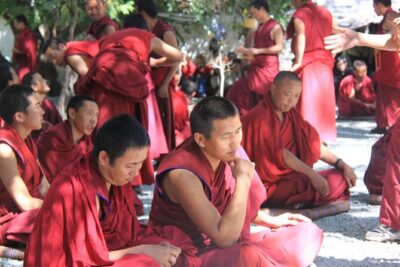
- Sera Monastery: The Debate Moment That Adds Drama
- Day 4: Lhasa to Shigatse, Yamdrok Yumtso, Karo La Glacier, and Gyantse Stops
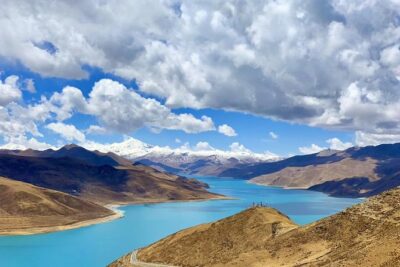
- Gampala Pass and Yamdrok-tso Lake
- Karo La Glacier and Manak Dam Lake Area
- Gyantse: A Historic Third City Feel
- Day 5: Tashilunpo, Everest Base Camp Echo Bus, and the High Pass Road
- Tashilunpo Monastery: Home of the Panchan Lama
- The Everest National Nature Reserve Approach
- Day 6: Rongbuk Sunrise Option and the Highest Monastery Rhythm
- Day 6 to Day 7: Crossing the Gyirong Border and Reaching Kyirong
- Comfort, Pacing, and Altitude: How This Tour Helps You Stay Upright
- Who This Tour Fits Best (and Who Might Want Something Different)
- Practical Tips Before You Go (Based on What This Route Demands)
- Should You Book This Lhasa to Kathmandu Overland Tour?
- FAQ
- What is included in the tour price?
- Do I need a visa and Tibet permit?
- Is oxygen provided during the trip?
- How big is the group?
- What about the Everest Base Camp visit?
- Do I get to go from Gyirong border to Kathmandu too?
- If I need a single room, is it included?
Key Points at a Glance
- Small group size (up to 12) for easier pacing and more personal guiding.
- Oxygen in the vehicle plus practical health-minded planning on high passes.
- Top Lhasa trio: Potala Palace, Jokhang Temple, and Barkor Street kora time.
- Everest Base Camp Echo bus access included, plus sunrise option at Rongbuk.
- Overland logistics are handled, including Tibet permits and the handoff at Kyirong.
More of the plateau, reviewed
- 7 Days Lhasa to Kathmandu Overland Small Group Tibet Tour via EBC★ 5.0 · 188 reviews
- 10 Days Tibet Everest Base Camp and Namtso Small Group Tour★ 5.0 · 108 reviews
- 4 Days Lhasa Impression Small Group Tour★ 4.5 · 67 reviews
- 9 Days Lhasa Gyantse Shigatse Everest Namtso Group Tour★ 4.0 · 21 reviews
What This Lhasa to Kathmandu Overland Trip Really Feels Like
This is not just sightseeing. It is a paced, road-led way to see how Tibet works on the ground. You start in Lhasa with the religious core, then you move outward toward Shigatse, Gyantse, and the Everest approach via the Gyirong border route.
What makes the experience feel easier is that someone else manages the moving parts. You are picked up in Lhasa, you sleep in organized 3-star hotels (or guesthouses in the listing’s wording), and you are brought to the sites with an English-speaking Tibetan guide. You also travel by comfortable van or minibus with a local driver, with gasoline included and drinking water provided.
The guide quality matters a lot on a trip like this. In feedback, I saw names like Lobsang and Lhakpa mentioned as standouts, and more than once the tone was that the guide made the day smoother, not just more informative. That is exactly what you want when you are dealing with altitude, crowds, and long drives.
Price and What You’re Actually Buying for $989
At $989 per person for roughly 7 days, this sits in the “pay for convenience” zone. You are not paying only for transportation and hotels. You are also paying for the pieces that can be a headache on Tibet routes: Tibet travel permits, the required service steps, and the on-the-ground organization from Lhasa onward.
Here is what you should value most in the inclusions:
- Permits and logistics support (Tibet permit and other necessary permits are included, plus a Chinese visa invitation letter if needed).
- Oxygen provided in the tourist vehicle to support comfort at altitude.
- Meals structure: breakfasts included, plus one welcome dinner.
- Hotel support: Lhasa airport or train station pickup and drop-off on designated time.
- Site entry fees included for the listed stops, including Everest Base Camp Echo bus.
You still need to budget for what is not included. Lunches and dinners are on you, and the Nepal jeep transfer from Kyirong to Kathmandu is an extra cost (listed as an additional US$60, also described as a 130 km route). If you want a single room, there is a single supplement not included in the base price.
If you are the type of traveler who wants to enjoy the day rather than solve permits and routing, this price can be a good fit.
Day 1 in Lhasa: Landing With a Human Welcome
Your first day is simple in the best way. A Tibetan guide meets you at the airport or train station, then you ride into downtown Lhasa for hotel transfer. Even though you might feel the effects of altitude on arrival, this is the kind of day where you avoid extra stress and just get settled.
A practical tip: treat your arrival day as a soft start. Plan for an early night and keep your pace easy. This tour includes the structured start (pickup, transfer, hotel), so you can spend your energy adjusting instead of navigating.
Day 2: Potala Palace, Jokhang Temple, and Barkor Street Kora Time
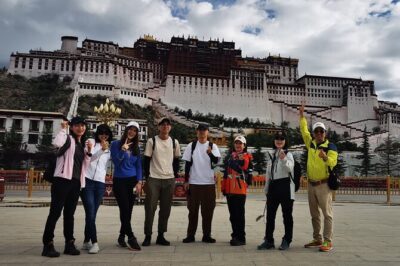
Day 2 is the classic Lhasa day, and it is built around three anchors. You start at Potala Palace, then move to Jokhang Temple, and finish with Barkor Street for the street life and the kora.
Potala Palace: The View Is Bigger Than the Photos
Potala Palace is the former winter palace of the Dalai Lama and a magnet for visitors for a reason. You get about 1.5 hours at the site, and while the entrance ticket is not included, your schedule and transport are handled.
The best way to enjoy it is to go slowly through the halls and take breaks. This is one of those places where your brain fills up fast, especially with the religious symbolism and layered spaces. If you are altitude sensitive, build in small pauses.
Jokhang Temple: The Heartbeat of Lhasa
After lunch, you head to Jokhang Temple, with about 1.5 hours. The temple dates to the 7th century in the story of its founding, and the guide can help connect what you see with why people keep coming back.
You also get to witness the surrounding atmosphere because the temple is directly tied to daily religious life. This is where you often feel the difference between “tour time” and real local time.
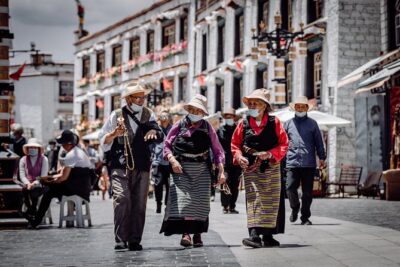
Barkor Street: Tea, Prayer, and the Rhythm of the Kora
The kora around Barkor Street is about participation, not just photography. You get around 1 hour here, and the tour is designed so you can walk with locals and pilgrims. There is also mention of tasting Tibetan tea with locals.
If you want an authentic-feeling moment, this is it. Go with a curious, respectful mindset. People are used to seeing visitors do the loop, but the experience feels better when you keep your voice low and your pace steady.
Day 3: Drepung and Sera, Plus Monks Debate Energy
Day 3 is a monastery day, and it is set up in a way that gives you variety. You visit Drepung Monastery in the morning and Sera Monastery later, with time for the famous monks debate window (around 3 to 5 in the afternoon).
Drepung Monastery: Wide Views, Old Stone, Calm Outside the Hype
Drepung is located about 25 km southwest of Lhasa downtown. You have a longer session here (about 3 hours), and the listing emphasizes it as a well-protected ancient Tibetan village-like setting with valleys around it.
The advantage of Drepung in this program is pacing. It is not a sprint. You can observe how monastic spaces work and step back to take in the scale and layout.
The drawback is simple: it is an outdoor-heavy day, so dress for cold and wind even if the sun looks friendly.
Sera Monastery: The Debate Moment That Adds Drama
Sera Monastery is one of the “great three” Gelug monasteries, and the highlight is the monks debate. Your time here is about 2 hours, with admission included.
Even if you do not speak the language, you get the structure through tone, gesture, and the back-and-forth rhythm. The energy can feel intense in a good way, especially after the calmer temple spaces earlier in the trip.
Day 4: Lhasa to Shigatse, Yamdrok Yumtso, Karo La Glacier, and Gyantse Stops
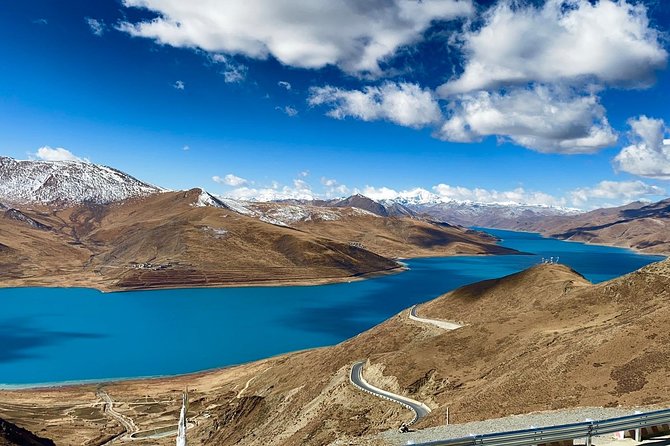
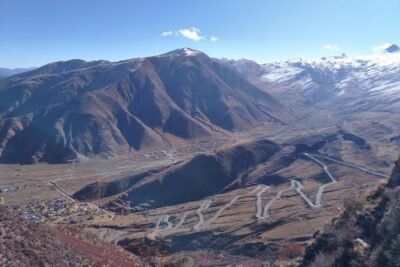
This is the day the trip starts feeling like a real overland journey. You drive from Lhasa toward Shigatse, with road passes and major photo points.
Gampala Pass and Yamdrok-tso Lake
You cross the Gampala pass (4790m) and get a glimpse of Yamdrok-tso Lake around 4400m. Your stop time is short (about 30 minutes), and the entrance fees are not included, which is common for viewpoints.
Keep your camera ready, but also keep your mind ready for how quickly the sky changes at altitude. In clear conditions, you get dramatic lake and mountain views. In poor visibility, it can be more muted, so do not stress if the light is not perfect.
Karo La Glacier and Manak Dam Lake Area
The schedule includes passing the Karola Glacier and visiting areas like Manak Dam Lake, with a mention of hanging prayer flags at Simila Mountain Pass.
This is the kind of stop that is short but satisfying. You get the sense that you are traveling through Tibet, not just reaching checkpoints.
Gyantse: A Historic Third City Feel
You arrive in Gyantse, described as historically Tibet’s third largest city after Lhasa and Shigatse. Gyantse has its own character, and this day builds momentum for what comes next.
Day 5: Tashilunpo, Everest Base Camp Echo Bus, and the High Pass Road
Day 5 is where many people start to feel the trip turn serious. You begin with Tashilunpo Monastery in Shigatse, then you leave Shigatse with an alien’s travel permit step mentioned, and you drive toward the Everest area.
Tashilunpo Monastery: Home of the Panchan Lama
You get about 1.5 hours at Tashilunpo Monastery. Entrance ticket is not included, so you will want to rely on the guide’s timing and ticket handling.
This is a good point in the trip to connect how different monasteries fit into Tibetan Buddhism. You have already seen the Lhasa core and the debate atmosphere, so Tashilunpo adds another angle.
The Everest National Nature Reserve Approach
The drive moves over big passes:
- Tsola Pass (4600m)
- Gyatsola Pass (5248m)
- Gawula Pass (5198m) near the Everest National Nature Reserve
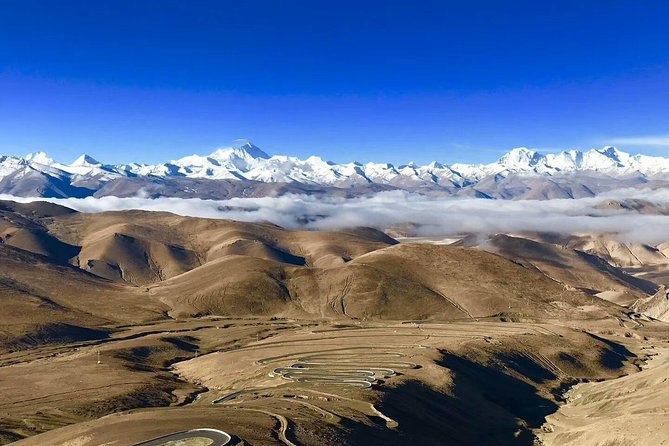
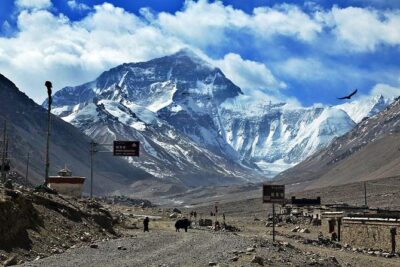
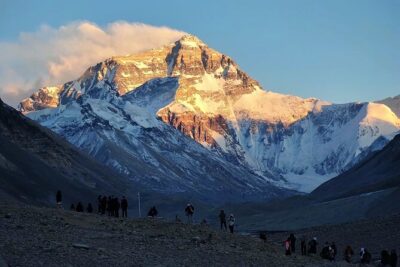
Your listed stop time at Everest Base Camp is about 1.5 hours, and Everest Base Camp Echo bus is included. That matters because it reduces the guesswork and keeps your arrival organized around the viewing window.
Here is the practical truth: Everest Base Camp is not just one moment. It is the approach road, the shifting clouds, and your ability to stand still long enough to let it hit you. If you rush, you miss it.
Day 6: Rongbuk Sunrise Option and the Highest Monastery Rhythm
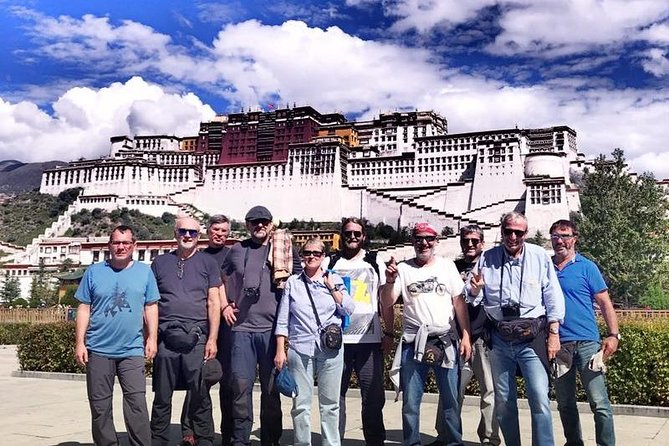
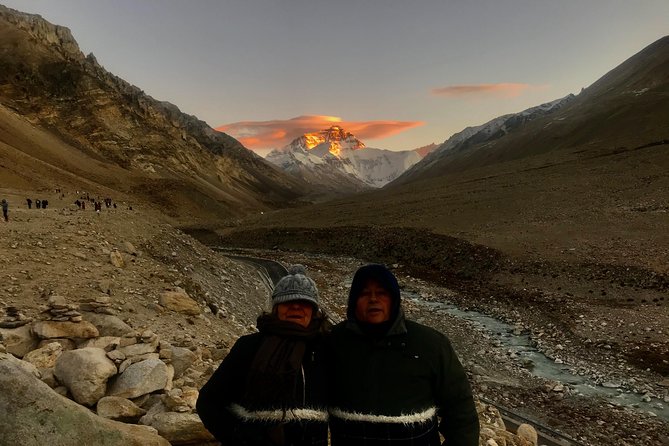
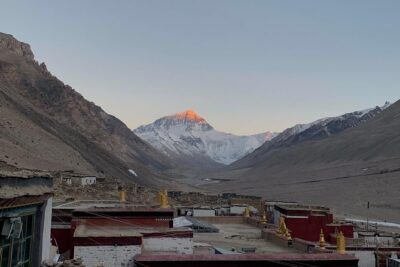
Day 6 is built around two elements: a sunrise opportunity and Rongbuk Monastery. Your schedule mentions the possibility of sunrise of the Everest Peak if weather permits, from the lodging area.
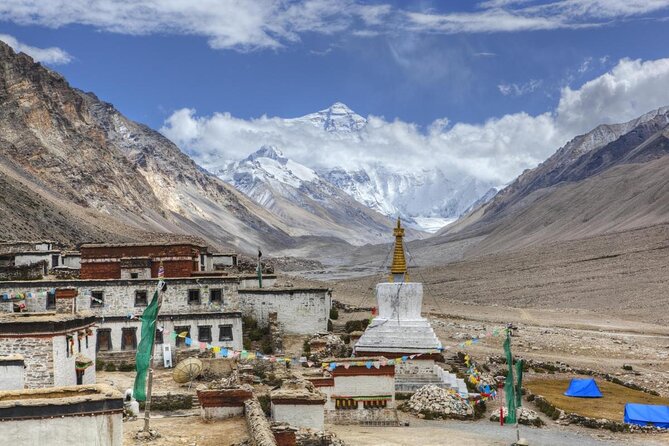
Then you visit Rongbuk Monastery, described as the unique highest monastery with nuns and monks living together. Your time is short in the listing (about 30 minutes), with the admission ticket not included.
The key thing to know is that this day can be cold and early. If sunrise happens, it is worth it. If it does not, you still get the Rongbuk setting, which can be stunning in even flat light.
Day 6 to Day 7: Crossing the Gyirong Border and Reaching Kyirong
After your Everest area time, you drive toward the Gyirong border with Nepal. The program notes breath-catching vistas including Mt. Shishapangma and Pekutso Lake, plus the crossing through Ghungtang Lhamo (5236m) and arriving in Kyirong late afternoon.
Then you descend from above 5000m, which the listing describes as a shift into more forest and waterfall scenery compared to the snow land. That change can feel huge after days of high, open altitude.
By the end of the trip on Day 7, the guide assists you to exit China at Gyirong and sees you off at the border. Service ends there.
If you want to continue to Kathmandu, you can choose the jeep transfer to Kathmandu for an additional cost of US$60. The route is described as about 130 km.
Comfort, Pacing, and Altitude: How This Tour Helps You Stay Upright
Altitude planning is a major reason this trip works for many people. You travel with an oxygen tank in the vehicle, and the itinerary includes multiple high passes, including days where you top 5200m.
That does not make altitude harmless. But it does mean you are not relying on luck alone. Use it smart. If you feel off, slow down at sites. Drink your provided water. Keep meals light. Avoid alcohol on the first couple of days in Lhasa and during high pass crossings.
Also pay attention to how the tour spaces out the big moments. You get a balanced mix of:
- Temple and monastery time (often more walkable and slower)
- Viewpoints and short scenic stops
- A structured Everest Base Camp window
This balance is part of why people feel the trip is not rushed.
Who This Tour Fits Best (and Who Might Want Something Different)
This tour is a strong fit if you want:
- The Lhasa highlights without arranging permits or driving yourself
- A small group feel, not a huge bus tour
- Comfort support like pickup, hotels, oxygen, and an English-speaking Tibetan guide
- An overland experience that still includes a real Everest approach and Base Camp access
It may not be the best fit if you:
- Hate long road days and short photo windows
- Have severe altitude concerns, because several passes are very high
- Want a fully self-paced schedule without any fixed timing at sites
For couples and solo travelers who like meeting people, the up to 12-person group size can be a big plus.
Practical Tips Before You Go (Based on What This Route Demands)
1) Pack for cold in high zones. Even if Lhasa feels manageable, the Everest approach can bite.
2) Bring patience for paperwork. You are given support for permits, but you still need to provide passport photocopies and a China L visa and follow the timeline.
3) Choose your room style early. The default is twin-sharing, and single rooms cost extra.
4) Budget for food beyond breakfasts. Lunches and dinners are not included.
5) Be ready for weather uncertainty. Big views and sunrise depend on conditions, and the trip notes it requires good weather.
Should You Book This Lhasa to Kathmandu Overland Tour?
I think you should book this if you want an organized, culturally focused Tibet experience that does not turn into a permit maze. The value is strongest in the combination of permits handled, oxygen support, and the way the route strings together Lhasa, Shigatse and Gyantse, and the Everest approach with minimal guesswork.
I would skip it if you need maximum flexibility, or if altitude is a major red flag for you. Also, if you really dislike long drives, remember the tour spends real time on the road between major stops.
If your priority is to see the real highlights, travel in a small group, and keep your stress level low, this is an excellent match.
FAQ
What is included in the tour price?
The tour includes Tibet travel permits and other necessary permits, a Chinese visa invitation letter if needed, transportation by comfortable van or minibus with a local driver (gasoline included), an English-speaking Tibetan guide, hotel pickup and drop-off in Lhasa on designated times, 3-star hotels based on twin-sharing, oxygen provided in the vehicle, drinking water during the trip, accident/casualty insurance, a Tibet handy map, one welcome dinner, and breakfasts. Entrance ticket fees are included for the sites listed in the itinerary, including Everest Base Camp Echo bus and platform service fees. Lunches and dinners are not included.
Do I need a visa and Tibet permit?
Yes. The tour includes the Tibet travel permit and other necessary permits, but you must provide passport information and your China L Visa used for the Tibet permit application during the travel period. The tour also notes specific instructions depending on whether you fly or train to Lhasa from Kathmandu or from somewhere else in China.
Is oxygen provided during the trip?
Yes. Oxygen is provided in the tourist vehicle to support guest health during the trip.
How big is the group?
This tour has a maximum of 12 travelers, which is meant to keep things more personal.
What about the Everest Base Camp visit?
Entrance ticket fees and the Everest Base Camp Echo bus are included. The time at Everest Base Camp is listed as about 1 hour 30 minutes.
Do I get to go from Gyirong border to Kathmandu too?
The tour ends at the Gyirong border after the guide helps you exit China. You can choose a jeep transfer to Kathmandu for an additional cost of US$60 (also described as about 130 km).
If I need a single room, is it included?
No. Single supplement is not included in the tour cost. Default lodging is twin-sharing.
More Tours in Tibet
More Tour Reviews in Tibet
More Of The Plateau
Tibet, reviewed one booking at a time
- 6 Days Lhasa Gyantse Shigatse Group Tour
★ 5.0 · 12 reviews - 9 Days Lhasa Gyantse Shigatse Everest Namtso Group Tour
★ 4.0 · 21 reviews - 6 Days Central Tibet Culture Small Group Tour
★ 5.0 · 53 reviews - 10 Days Tibet Everest Base Camp and Namtso Small Group Tour
★ 5.0 · 108 reviews - 7 Days Lhasa to Kathmandu Overland Small Group Tibet Tour via EBC
★ 5.0 · 188 reviews
Lhasa & the Tibetan Plateau, compared.
 ★ 5.0Tibet Tour 8 Days Lhasa to Everest Base Camp Small Group TourFrom $949578 reviews
 ★ 5.010 Days Tibet Everest Base Camp and Namtso Small Group TourFrom $1,329108 reviews
 ★ 4.54 Days Lhasa Impression Small Group TourFrom $50967 reviews
 ★ 5.06 Days Central Tibet Culture Small Group TourFrom $79953 reviews
 ★ 5.08 Days Lhasa Gyantse Shigatse Mt Everest Group TourFrom $1,10052 reviews
 ★ 5.04 Days Lhasa City Essential Group TourFrom $60525 reviews
 ★ 5.0Private Guided Day Tour Potala Palace and Sera MonasteryFrom $74522 reviews
 ★ 4.09 Days Lhasa Gyantse Shigatse Everest Namtso Group TourFrom $1,44321 reviews
Browse the lists this tour appears in