
REVIEW · LHASA & THE TIBETAN PLATEAU
9 Days Lhasa Gyantse Shigatse Everest Namtso Group Tour
Tibet can feel like a different planet, and this 9-day loop is one of the most practical ways to see it. You get Lhasa’s top monasteries and temples, then sweep through Gyantse and Shigatse, with big high-altitude scenery at Yamdrok and Namtso. I especially like that the route is built for acclimatization, not just checklists of sights, and that you move by comfortable private vehicle with an experienced local English-speaking guide.
My main caution is comfort and meals can be uneven. The tour includes seven breakfasts, but one morning specifically has no breakfast, and one past traveler called out a hotel with basic facilities and very limited breakfast options. If you’re picky about cleanliness or you expect international-style mornings, plan to manage those expectations.
In This Review
- Key Highlights You Will Actually Feel on This Tour
- Why This 9 Days Works: Route, Pace, and Altitude Logic
- Lhasa in Motion: Drepung, Norbulingka, Tibet Museum, Potala, Jokhang
- Drepung Monastery, early in the day
- Tibet Museum, for context before you go sacred-hunting
- Norbulingka, the Dalai Lama’s summer garden
- Potala Palace, the day-three anchor
- Jokhang Temple, sacred and full of real pilgrims
- Gyantse Day Road Trip: Yamdrok Yumtso, Karo La Glacier, Kumbum Stupa
- Yamdrok Yumtso Lake, turquoise views from Khamba-la Pass
- Karo La Glacier, short walk, big texture
- Palkhor Monastery and Kumbum Stupa in Gyantse
- The Qomolangma National Nature Preserve Days: Long Drives, Real High Country
- Day five: Shigatse to Lhatse to Tingri
- Day six: morning starts without hotel breakfast
- Shigatse’s Main Moment: Tashilhunpo Monastery
- Namtso Lake Day: Holy Waters and the Nyenchen Thanglha View
- Hotels, Bathrooms, and Breakfast Reality Checks
- Price and Value: What $1,443 Buys You, and Where It Might Not
- Timing, Transfers, and How Not to Miss Your Ride
- Who This Tour Suits Best
- Should You Book This 9-Day Lhasa, Gyantse, Shigatse, Namtso Tour?
- FAQ
- How many travelers are on the tour?
- Is transportation included, and what kind do you get?
- Are meals included every day?
- Which major attractions are included in the Lhasa days?
- Are admission tickets included?
- What transfers are included for arrival and departure?
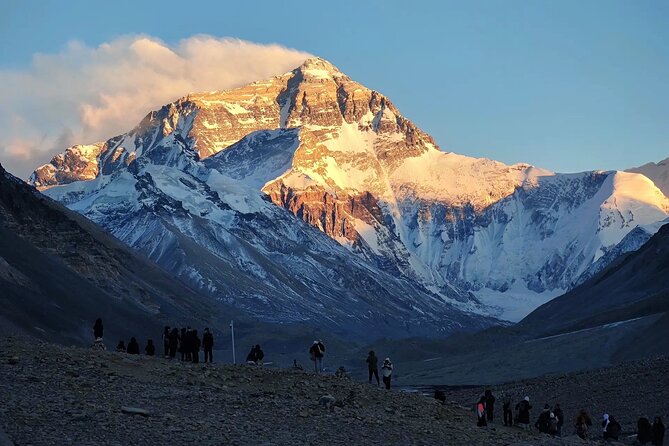
- Does the tour include time in Qomolangma National Nature Preserve?
- Do I need to provide documents for a Tibet permit?
- Is the tour refundable if I cancel?
Key Highlights You Will Actually Feel on This Tour
- Small group size (max 12), which makes it easier to ask questions and keep the pace realistic.
- Lhasa’s big five stops across two days: Drepung, Norbulingka, Potala Palace, plus Jokhang Temple.
- High-altitude photo moments on the way to Gyantse, including Yamdrok Yumtso Lake views from the road.
- Qomolangma National Nature Preserve time set aside for real scenery, not just quick bus-window views.
- Namtso Lake day, with far views of Nyenchen Thanglha Snow Mountain on the drive.
- Admission tickets included for multiple sights, so you spend less time budgeting on the spot.
More of the plateau, reviewed
- 7 Days Lhasa to Kathmandu Overland Small Group Tibet Tour via EBC★ 5.0 · 188 reviews
- 10 Days Tibet Everest Base Camp and Namtso Small Group Tour★ 5.0 · 108 reviews
- 4 Days Lhasa Impression Small Group Tour★ 4.5 · 67 reviews
- 9 Days Lhasa Gyantse Shigatse Everest Namtso Group Tour★ 4.0 · 21 reviews
Why This 9 Days Works: Route, Pace, and Altitude Logic
The best thing about this tour is its rhythm. Tibet is high, and most “see everything” schedules jump too fast. Here, the itinerary is described as designed to help you adjust gradually to altitude, and you’ll feel that in how the days are spaced out between Lhasa, the Gyantse-Shigatse corridor, and the Namtso area.
You’ll also notice that it’s not only about city sights. It builds in long drives where the scenery is the point, especially on the transit days toward Gyantse and on the Namtso day. That matters because you’re not racing through farmland and mountains with no time to look up. You’ll have windows for views, stops for specific places, and scheduled time around monuments.
Group size is capped at 12 travelers, so you’re not stuck behind a huge crowd. That usually means fewer delays at gates, and it’s easier for your guide to explain what you’re looking at, especially in active religious spaces like Jokhang Temple.
Lhasa in Motion: Drepung, Norbulingka, Tibet Museum, Potala, Jokhang
Lhasa day two and day three are where this tour earns its keep. These aren’t random stops. They cluster the core religious and cultural anchors in a way that feels ordered, not frantic.
Drepung Monastery, early in the day
On day two, you’ll start with Drepung Monastery (Zhebang Si) in the morning, located at the foot of Gambo Utse. Going early is smart in Tibet. It gives you the best chance of cooler air for walking and clearer light for photos. Drepung is the kind of place where details matter, from the structure to the daily rhythm of monastic life.
Tibet Museum, for context before you go sacred-hunting
Later that day you visit the Tibet Museum. This is the practical “learn what you’re seeing” stop. You’re looking at life scenes, clothing, house architecture, and festival customs. If you normally skip museums, this is still worth it because it helps you understand why certain temples and rituals look the way they do.
Norbulingka, the Dalai Lama’s summer garden
Then you go to Norbulingka (Precious Stone Garden), described as a royal garden and the Dalai Lama’s summer resort. This is a good change of pace after temples. Even if you’re not a garden person, the setting gives you a different lens on Tibetan history, one that’s tied to seasons and daily retreat.
Potala Palace, the day-three anchor
On day three, you’ll tour Potala Palace, described as the highest ancient palace in the world, reaching 3,767.19m (12,359.55ft) at the highest point. That number matters because it explains why the palace feels so iconic. You’re not just visiting a building, you’re arriving at a high landmark that dominates Lhasa.
Jokhang Temple, sacred and full of real pilgrims
In the afternoon, you’ll visit Jokhang Temple, in the center of Old Lhasa. It’s described as the most sacred temple in all of Tibet and known for local pilgrims. This is where you should slow down. Don’t rush for photos only. Watch how people move through the space, and listen to what your guide explains about the meaning behind what you see.
Gyantse Day Road Trip: Yamdrok Yumtso, Karo La Glacier, Kumbum Stupa
Day four is a classic “Tibet road trip with payoff.” You leave Lhasa for Gyantse, and the itinerary is built around scenic and spiritual stops, not only driving.
Yamdrok Yumtso Lake, turquoise views from Khamba-la Pass
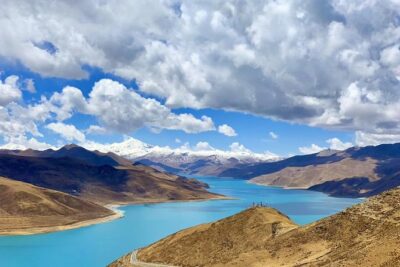
You’ll travel from Lhasa to Gyantse, about 264 km, passing Khamba-la Pass (4,794m). From there, you’ll get the highlight: Yamdrok Yumtso Lake with its turquoise color and snowcapped peaks in view. This is the kind of sight that photographs well, but the real value is seeing it from the moving road, because your perspective keeps changing.
Karo La Glacier, short walk, big texture
Next is Karo La Glacier, described as not a big glacier but spectacular from the highway. You can walk from the road, about 300 yards. This works well if you don’t want a long hike but still want that “glacier up close” feeling.
Palkhor Monastery and Kumbum Stupa in Gyantse
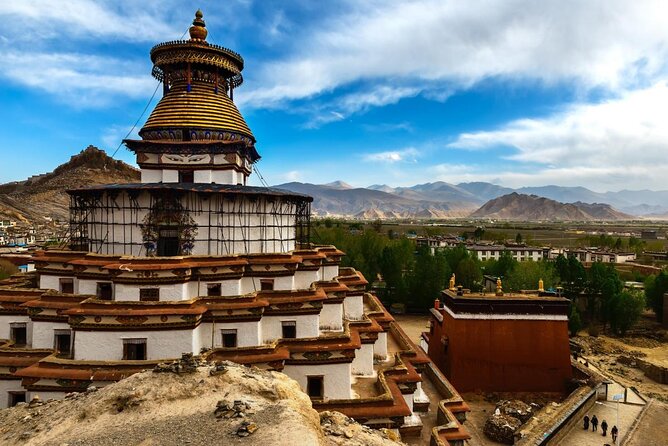
Arriving in Gyantse, you’ll visit Kumbum Stupa and Palkhor Choede Monastery. The stupa is described as a multi-door structure and the largest stupa in Tibet, with old sculptures. If you like Tibetan architecture, this is one of the stops that usually makes people say the day was worth every hour in the car.
The Qomolangma National Nature Preserve Days: Long Drives, Real High Country
Days five and six are where you trade comfort for atmosphere. You’ll be in the Qomolangma National Nature Preserve area, and the schedule includes extended travel segments plus time for the scenery.
Day five: Shigatse to Lhatse to Tingri
You leave Shigatse for Lhatse (about 150 km), with lunch in a local restaurant and a short rest, then continue to Tingri. You pass high areas such as Tsola Pass (the altitude figure is partially cut in the details), and you spend 10 hours overall at this stop day.
This is not the kind of day for anyone who hates being in a vehicle. But if you enjoy big views and want to feel the scale of northern Tibet, this is an essential bridge between the cultural cities and the more natural, high-altitude sites.
Day six: morning starts without hotel breakfast
Day six is specific: breakfast is not included. The details suggest Tibetan breakfast options like noodles and zanba, around CNY 30, and it strongly suggests bringing cookies or instant noodles.
That’s a very practical heads-up. It means your comfort on day six depends on what you pack and what’s available when hunger hits. If you tend to get cranky when food is delayed, I’d follow that advice and carry a small emergency snack stash in your day bag.
The preserve time is listed as 4 hours. Even if the group can’t stop everywhere, you’re given a block of time rather than only a quick roadside look. That’s the difference between watching scenery pass and actually taking it in.
Shigatse’s Main Moment: Tashilhunpo Monastery
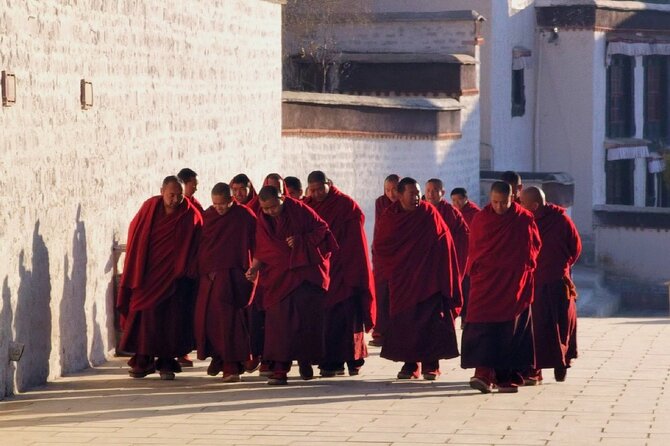
Day seven centers on Tashilhunpo Monastery. It’s described as founded by the First Dalai Lama in 1447, and expanded by the Fourth and successive Panchen Lamas.
This is a quieter, more focused type of visit after the long nature days. If you liked Drepung and Jokhang because of the sense of religious purpose, Tashilhunpo has that same “you’re inside an ongoing world” feel. Give yourself time to ask questions. Your guide’s explanations matter most here.
Namtso Lake Day: Holy Waters and the Nyenchen Thanglha View
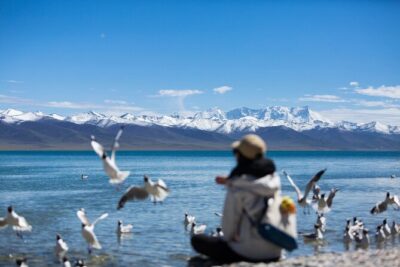
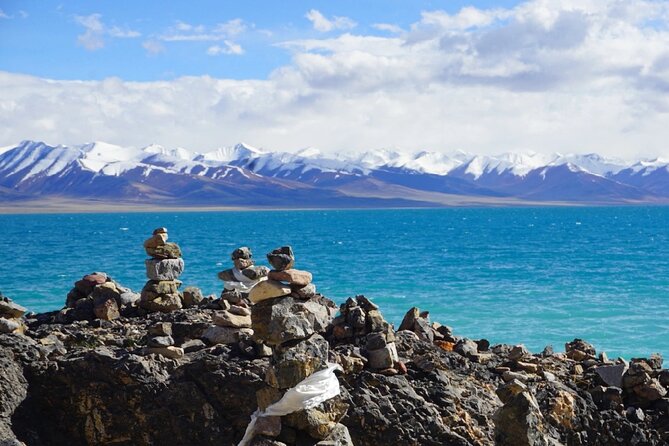
Day eight is your Namtso payoff. You drive to Lake Namtso along the highway in the morning, with far views of Nyenchen Thanglha Snow Mountain on the way, plus grassland scenery.
This is one of the most iconic “high lake” experiences in Tibet. It’s also the kind of place where lighting can shift quickly, so build in patience. If you’re the type who wants a clean shot and leaves immediately, you’ll miss the slow magic.
Because the tour is organized to gradually adjust altitude, you’re not arriving here as your very first high stop. Still, take the day seriously: move gently, drink water, and keep your warm layers handy. High altitude can turn cold in minutes even when the sun is bright.
Hotels, Bathrooms, and Breakfast Reality Checks
This is the part I’d pay attention to before you book.
The tour includes 7 nights in a three/four-star hotel with two people sharing a room, plus 1 night at a guesthouse or a nomad tent. Breakfast is included by the hotels for seven days. On paper, that sounds solid.
In practice, you should plan for variability. One provided review called out that a hotel near the Everest area had a dirty bathroom and very poor breakfast, and that breakfast is not international. Another note from the operator response says they can swap a nomad tent night for a guesthouse with a bathroom and breakfast, at least in some situations.
Here’s the takeaway: don’t assume your room will be identical to what you picture from a big city hotel chain. If you care about comfort, do two things:
- pack a small set of personal hygiene supplies that can handle basic bathrooms
- treat breakfast as Tibetan-style fuel, not a Western spread
On top of that, remember day six breakfast is explicitly not included. So even if the rest of the trip’s breakfasts are okay, you’ll still want backup snacks.
Price and Value: What $1,443 Buys You, and Where It Might Not
At $1,443 per person for about 9 days, you’re not just paying for transportation. Your package includes:
- 7 nights accommodation in three/four-star hotels, plus 1 night guesthouse or nomad tent
- breakfasts, plus a welcome dinner
- a comfortable private vehicle with travel license, parking, and gas
- airport or railway station transfers, including specific pickup and drop-off times
- an experienced local English-speaking guide
- government tax and travel agency liability insurance
You’re also getting admissions included for many listed attractions. That matters because Tibet fees can add up fast when you’re planning day by day on your own.
Where value can dip is the day-to-day comfort you can’t always control in remote areas. The itinerary gives you packed sightseeing and scenic drives, but your best expectation is to treat hotels and breakfasts as functional, not guaranteed luxury.
If your priority is seeing Potala Palace, Jokhang Temple, Drepung, Norbulingka, Kumbum Stupa, Tashilhunpo Monastery, plus Namtso Lake with less planning hassle, this price can make sense. If you mainly care about hotel comfort and you want predictable Western meals, you might feel frustrated.
Timing, Transfers, and How Not to Miss Your Ride
The tour starts with pickup and transfer to your hotel on day one, and the details list a start time of 9:00 am. On the final day, your group gets dropped at Lhasa Gonggar Airport or the railway station depending on your next stop, with set windows at 8:30 am, 12:30 pm, and 2:30 pm.
This kind of schedule is good when you’re organized. It’s also one reason I’d avoid booking super-tight onward flights immediately after day nine. You’re traveling high and relying on timing across road conditions.
Transfers from Lhasa Gonggar Airport to your hotel on the first day are listed at 9:30 am, 1:00 pm, and 4:00 pm, with Lhasa Railway Station transfer at all times on the first and last day.
Who This Tour Suits Best
This works best for you if:
- you want Tibetan culture and religious sites without planning every ticket yourself
- you enjoy scenery enough to tolerate long drives
- you want a small group rather than a huge bus crowd
- altitude adjustment matters to you, and you like that the itinerary is built around it
It might be a rough fit if:
- you need predictable Western-style breakfasts every day
- you’re extremely sensitive to bathroom cleanliness
- you don’t want any day without included breakfast
Should You Book This 9-Day Lhasa, Gyantse, Shigatse, Namtso Tour?
I’d say yes if your heart is in temples, monasteries, and high-altitude views, and you’re comfortable with a trip where the “wow” moments are the mountains and sacred sites, not your hotel lobby.
Book if you’re willing to handle basic amenities with a positive attitude, bring some backup snacks for day six, and treat breakfast as local style. The value is strong because you get transfers, a private licensed vehicle, a local English-speaking guide, welcome dinner, and multiple admission tickets.
Don’t book if hotel comfort and consistent meal quality are your top priorities. In that case, you’ll likely spend more time thinking about bathrooms and breakfast than about Potala, Kumbum Stupa, and Namtso Lake.
FAQ
How many travelers are on the tour?
The tour has a maximum of 12 travelers.
Is transportation included, and what kind do you get?
Yes. You travel in a comfortable private vehicle with a travel license, and it includes parking and gas fees.
Are meals included every day?
You get breakfasts from the hotels for 7 days, plus a welcome dinner. Day six specifically notes that breakfast is not included that morning.
Which major attractions are included in the Lhasa days?
You visit Drepung Monastery, Tibet Museum, Norbulingka, Potala Palace, and Jokhang Temple.
Are admission tickets included?
Admission tickets are included for many of the listed sights in the itinerary.
What transfers are included for arrival and departure?
You get pick-up from Lhasa Gonggar Airport to your hotel on the first day at 9:30 am, 1:00 pm, and 4:00 pm. On the last day you are dropped at Lhasa Gonggar Airport at 8:30 am, 12:30 pm, or 2:30 pm, or you get railway station transfer.
Does the tour include time in Qomolangma National Nature Preserve?
Yes. It lists Qomolangma National Nature Preserve on both day five and day six, with a longer travel day first and a shorter preserve visit the next morning.
Do I need to provide documents for a Tibet permit?
Yes. The tour notes that all documents and information for the Tibet Tourism Bureau Permit (TTB) must be provided at least 12 working days before your Tibet tour begins, or an extra charge of about $50 to $80 per permit may apply.
Is the tour refundable if I cancel?
No. This experience is non-refundable and cannot be changed for any reason.
More Tours in Tibet
More Tour Reviews in Tibet
More Of The Plateau
Tibet, reviewed one booking at a time
- 6 Days Lhasa Gyantse Shigatse Group Tour
★ 5.0 · 12 reviews - 9 Days Lhasa Gyantse Shigatse Everest Namtso Group Tour
★ 4.0 · 21 reviews - 6 Days Central Tibet Culture Small Group Tour
★ 5.0 · 53 reviews - 10 Days Tibet Everest Base Camp and Namtso Small Group Tour
★ 5.0 · 108 reviews - 7 Days Lhasa to Kathmandu Overland Small Group Tibet Tour via EBC
★ 5.0 · 188 reviews
Lhasa & the Tibetan Plateau, compared.
 ★ 5.0Tibet Tour 8 Days Lhasa to Everest Base Camp Small Group TourFrom $949578 reviews
 ★ 5.07 Days Lhasa to Kathmandu Overland Small Group Tibet Tour via EBCFrom $989188 reviews
 ★ 5.010 Days Tibet Everest Base Camp and Namtso Small Group TourFrom $1,329108 reviews
 ★ 4.54 Days Lhasa Impression Small Group TourFrom $50967 reviews
 ★ 5.06 Days Central Tibet Culture Small Group TourFrom $79953 reviews
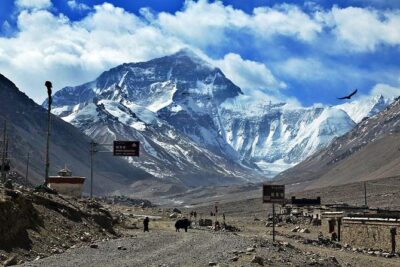 ★ 5.08 Days Lhasa Gyantse Shigatse Mt Everest Group TourFrom $1,10052 reviews
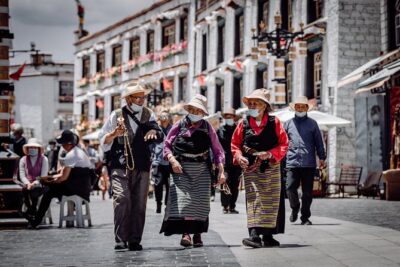 ★ 5.04 Days Lhasa City Essential Group TourFrom $60525 reviews
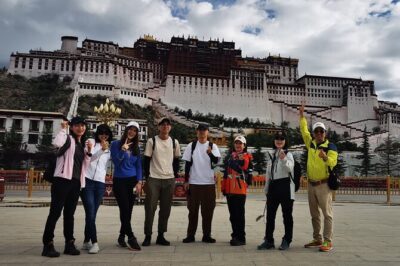 ★ 5.0Private Guided Day Tour Potala Palace and Sera MonasteryFrom $74522 reviews
Browse the lists this tour appears in