
REVIEW · LHASA & THE TIBETAN PLATEAU
4 Days Lhasa City Essential Group Tour
Lhasa can feel intense before you even start. This group tour keeps things practical with permit handling and a tight run of major sites like Drepung and Jokhang. The main drawback is the schedule is packed, so high-altitude pacing matters, especially on your first sightseeing day.
I also like that it’s built for real-life logistics: pickup from the airport or railway station, an air-conditioned vehicle, and an English-speaking local guide with a small group size (up to 12). In at least one recent group, the operation credited host Beatrice and guides like Tenzin and Dorji for keeping things organized and human.
In This Review
- Key points that make this Lhasa tour worth your time
- How this 4-day plan keeps Lhasa logistics sane
- Day 2: Drepung Monastery, Tibet Museum, and Norbulingka
- Day 3: Potala Palace, Jokhang Temple, and Barkhor Street
- Day 4: Flexible morning, then airport or train drop-off
- Hotels, meals, and the real value behind $605
- Transfers, permits, and what you must plan for
- The group experience: small size, busy days, and a human guide
- Who this tour suits best, and who should rethink it
- Should you book this Lhasa essential group tour?
- FAQ
- What’s included in the price for this 4-day Lhasa tour?
- Are pickup and drop-off from the airport or railway station included?
- Which meals are covered?
- Does the tour include Tibet permit handling?
- What sites are included in the 4-day sightseeing plan?
- How large is the group?
- Is there a cancellation policy?
Key points that make this Lhasa tour worth your time
- Permit and express service included, so you are not scrambling for paperwork on arrival
- Small group size (max 12), which usually means fewer bottlenecks than big-bus tours
- Classic Lhasa trio each day, monasteries and temple time, plus a real walk through Barkhor Street
- Airport and rail transfers built in, with specific pickup and drop-off times
- 3-star or 4-star hotels included for 3 nights, not just a cheap bed-and-bus deal
More of the plateau, reviewed
- Tibet Tour 8 Days Lhasa to Everest Base Camp Small Group Tour★ 5.0 · 578 reviews
- 4 Days Lhasa City Essential Group Tour★ 5.0 · 25 reviews
- Private Guided Day Tour Potala Palace and Sera Monastery★ 5.0 · 22 reviews
- 15 Days Mt Everest and Mt Kailash Kora Pilgrimage Group Tour★ 4.5 · 17 reviews
How this 4-day plan keeps Lhasa logistics sane
Lhasa has one big challenge: your body needs time to adjust. This tour’s structure helps you manage that, with a gentle first full sightseeing day and the heavy hitters timed for when you are more acclimatized.
On day 1, you get picked up from Lhasa Gonggar Airport or the train station and transferred to your hotel. The transfer time is about 90 minutes from the airport and about 20 minutes from the train station, so you should plan your arrival window accordingly. Pickup is scheduled for the first day at 9:30 am, 1:00 pm, and 4:00 pm, which is useful if your flights tend to land at odd times.
You also get a named rhythm: breakfast every morning, then guided sightseeing blocks, then you’re back to the hotel. That sounds simple, but in Tibet, simple beats chaotic. You are paying for the guardrails, not just for someone to point at buildings.
One more practical detail I appreciate: the tour runs in all weather conditions, so they do not cancel your whole plan just because it’s windy or cloudy. That means you should dress for changing conditions, not for one perfect weather moment.
Day 2: Drepung Monastery, Tibet Museum, and Norbulingka
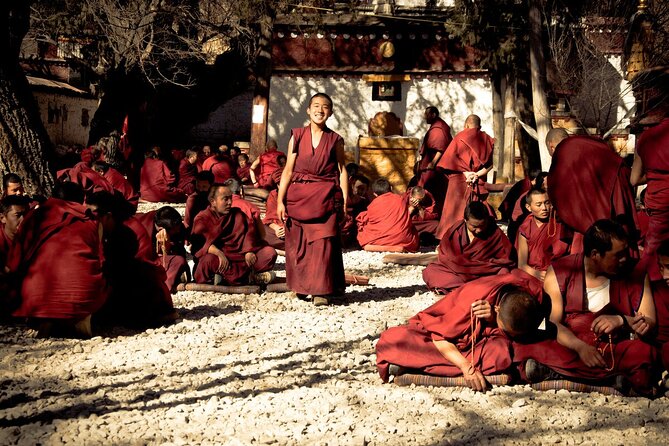
Day 2 is a strong mix of sweeping monastery views and calmer cultural context. You start at Drepung Monastery (Zhebang Si), described as the largest Tibetan monastery, with a past that included more than 10,000 monks. Even if you only absorb the basics, it gives you a sense of how big Tibetan monastic culture once was, and how powerful it still feels today.
What I like about starting with Drepung is that it sets the tone early. You are on the high plateau, so plan for slower movements and shorter bursts of walking. The stop is timed at around 2 hours, and you do not need to sprint through it to get the meaning. In a place like this, your pace becomes part of the experience.
Next is the Tibet Museum, with admission ticket free. This is the “explain it so you can see it” stop. You’ll see scenes of daily life, clothing, house architecture, and festival customs. Even if you skip some exhibits, the museum helps translate the ceremonies you’ll see later, like what people wear and why certain traditions matter.
Then you end the day at Norbulingka, the Dalai Lama’s traditional summer retreat and a Tibetan-style royal garden. This part is more spacious, and it tends to feel like a breather compared to a major monastery. The guided time is again about 2 hours, which is long enough to enjoy the setting without feeling trapped.
Possible drawback on day 2: your first full sightseeing day is still day 2. If you arrive feeling winded from altitude, you may want to keep your energy steady and avoid overthinking every breath.
Day 3: Potala Palace, Jokhang Temple, and Barkhor Street
Day 3 is where Lhasa starts to feel like one big spiritual center. The schedule includes Potala Palace, Jokhang Temple, and a stroll through Barkhor Street, in that order.
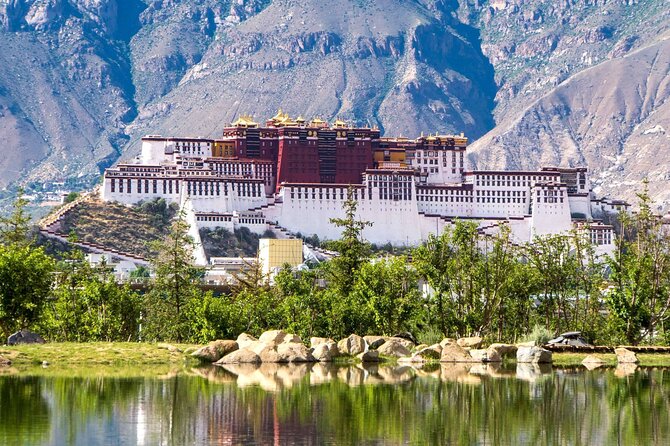
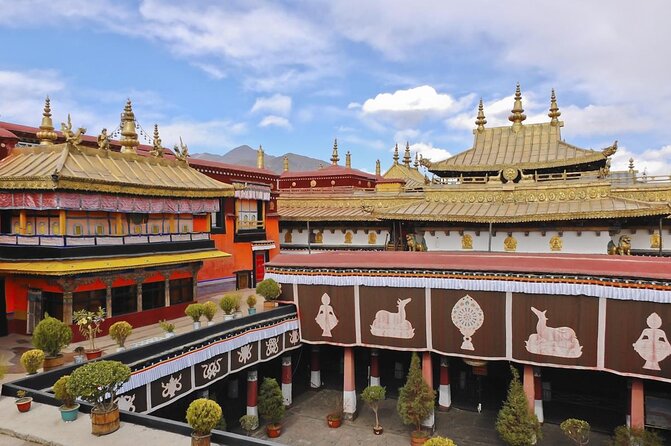
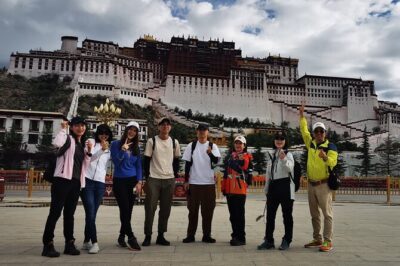
You begin with Potala Palace, the winter palace of the Dalai Lama. The tour positions this day after you’ve acclimatized, which is exactly what you’d want: Potala is iconic, and you do not want to be fighting altitude fatigue while you try to enjoy it. The time block is about 2 hours, with admission included.
What’s smart here is that they do not treat Potala as a quick photo stop. You get enough time to actually look up, read the surroundings at your own speed, and notice the feel of the palace complex rather than just collecting angles.
In the afternoon you head to Jokhang Temple, often described as a central site of Tibetan Buddhism. You’ll see details like prayer wheels and golden sutra streamers, and the stop is again about 2 hours with admission included. This is also the time when crowds can be part of the atmosphere. If you hate feeling jostled, bring a calm mindset and expect people-flow at a major temple.
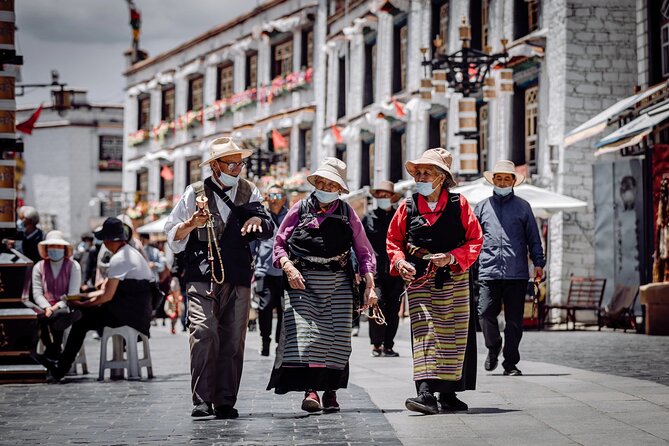
After Jokhang, you finish with Barkhor Street, where the tour shifts from ticketed sights to everyday street life. You’ll have about 2 hours, with admission free. This is where you can pause for sweet tea, talk with locals, and browse vendors. It’s also the part that helps you understand Lhasa beyond monuments, the way daily rhythms continue around sacred space.
My advice for Barkhor: go with a light plan. Wandering is the point, but you still want to know where you are heading next so you don’t lose energy on the walk back to dinner plans.
Day 4: Flexible morning, then airport or train drop-off
Day 4 is your easiest day. After breakfast, you are free in the morning, and the tour ends with a transfer to the airport or railway station.
Drop-off times are scheduled for 8:30 am, 12:30 pm, and 2:30 pm. That gives you some flexibility if your departure is late afternoon, but it also means you should not book an itinerary that depends on early morning chaos. If you have a long transfer day, ask your hotel how long it typically takes to get ready and check out.
Since lunch and dinner are not included, day 4 is also your chance to choose meals that fit your altitude comfort. If you find big meals feel heavy, go for smaller portions and stay hydrated.
Hotels, meals, and the real value behind $605
Let’s talk money honestly. The price is $605 per person for 4 days and 3 nights in a 3-star or 4-star hotel. For a tour that includes accommodation plus guided entry to multiple major sites, that can be fair value, especially because the tour also covers airport and train transfers and a Tibet travel permit service.
Here’s what’s included that matters most for value:
- 3 nights hotel at 3-star or 4-star level
- All breakfasts (3)
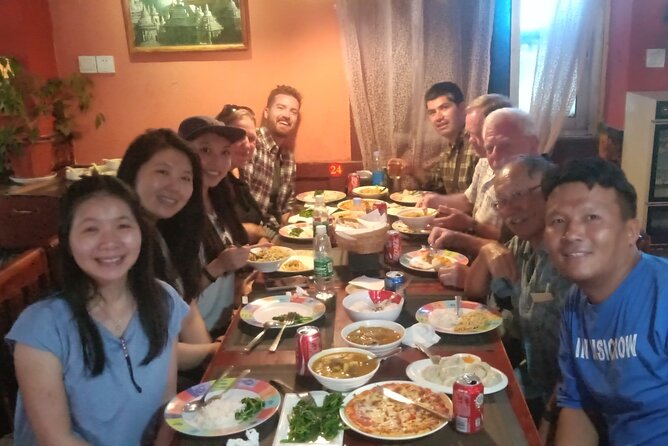
- One welcome dinner
- Airport or rail transfers with set pickup and drop-off times
- Experienced local English-speaking guide
- Air-conditioned vehicle plus parking fees
- Tibet Travel Permit and Express Service
- Admission tickets for Drepung, Norbulingka, Potala, and Jokhang (and free admission stops for the Tibet Museum and Barkhor Street)
What is not included is also important:
- Lunch and dinner are on you
- Hotel single supplement costs extra if you want your own room
- Domestic flights or trains to and from Lhasa are not included
So the real cost can be higher or lower depending on your meal choices and whether you share a room. If you keep meals modest, the inclusive breakfast and one welcome dinner help a lot.
Also consider comfort. Lhasa days involve walking, stairs, and open-air exposure. Having a decent hotel base matters because you need sleep and recovery. A 3-star or 4-star category inclusion is a plus, because you’re not guessing what you’ll get at the end of each day.
Transfers, permits, and what you must plan for
This tour is built around the idea that getting to Lhasa paperwork and logistics should be handled for you. You do need to give the operator the details they require for the permit: your passport name, number, birthday, expiry date, and country at booking.
Two timing notes you should respect:
- Confirmation is received within 48 hours of booking, subject to availability
- You should book at least 12 working days ahead so the local operator can process your Travel permit
That’s not bureaucratic busywork. It affects whether you can enter and whether your schedule stays smooth.
You also get a mobile ticket, and that’s helpful because it reduces the number of physical things you must carry. Still, I’d keep a photo of your key details on your phone as a backup.
Then there’s altitude and walking. The tour says most travelers can participate, and it strongly encourages comfortable walking shoes. I agree with that. Even if your pace is gentle, monastery and street areas mean uneven surfaces and lots of standing.
The group experience: small size, busy days, and a human guide
The tour runs with a maximum of 12 travelers, which is small enough that your guide can actually keep track of everyone. It also helps with your day flow, since you are not waiting behind a huge crowd each time you move to the next stop.
The guide service is listed as experienced local English speaking. In one recent group example tied to this operator, the service credits went to host Beatrice and guides including Tenzin and Dorji. That kind of staffing usually translates to clearer explanations and fewer “where do we go next” moments.
Still, manage your expectations about the pace. This is a sightseeing tour with structured blocks, so you should assume:
- less spontaneous wandering than an independent plan
- more time spent on guided routes than on free self-guided exploring
- a need to stay flexible with timing on temple visits and street walks
If you prefer total freedom, you might feel constrained. If you want the heavy lifting handled, you’ll likely appreciate the structure.
Who this tour suits best, and who should rethink it
This is a great match for you if:
- you want a one-stop introduction to Lhasa’s core monasteries and temples
- you like traveling with a guide and a small group
- you value permit and transfer handling over DIY planning
- you want the basics covered: hotel, breakfast, entry to major sites
It may not be ideal if:
- you dislike packed schedules and prefer long unscheduled blocks
- you want to control every meal and sight on your own
- you need a fully private experience
One last practical point: the tour offers group discounts, so it’s often priced with groups in mind. If you are traveling solo, ask about the single supplement option early, since it exists and costs extra.
Should you book this Lhasa essential group tour?
I’d lean yes if you want a practical first trip to Lhasa where someone handles the hardest parts: permit processing, transfers, hotel nights, and guided access to the main sights. The combination of Drepung, Norbulingka, Potala, Jokhang, and Barkhor Street in just four days is the kind of tight, efficient plan that makes sense when time is limited.
I’d pause and rethink if you know you’ll struggle with altitude or you want lots of free time. Because day 2 and day 3 are both full, your success will depend on your ability to pace yourself and accept that the day is scheduled.
If you do book, plan for comfort: bring warm layers, move slowly, and budget extra for lunch and dinner. Do that, and this “essential” Lhasa tour can be a confident, low-stress way to see the big spiritual centers without getting bogged down in logistics.
FAQ
What’s included in the price for this 4-day Lhasa tour?
The price includes 3 nights in a 3 or 4 star hotel, airport or train station transfers, an air-conditioned vehicle, Tibet travel permit and express service, parking fees, an experienced local English-speaking guide, guide and driver lodging and food, mineral water (2 bottles per person per day), and breakfast each day (3 breakfasts). It also includes a welcome dinner and admission tickets for several listed stops.
Are pickup and drop-off from the airport or railway station included?
Yes. Pickup is included from Lhasa Gonggar Airport and the railway station on the first day, with scheduled pickup times (9:30 am, 1:00 pm, 4:00 pm). Drop-off is included on the last day to the airport or railway station, with scheduled times (8:30 am, 12:30 pm, 2:30 pm).
Which meals are covered?
Breakfast is included for all 3 mornings. A welcome dinner is included on one of the days. Lunch and dinner are not included.
Does the tour include Tibet permit handling?
Yes. The tour includes Tibet Travel Permit and Express Service.
What sites are included in the 4-day sightseeing plan?
The tour includes Drepung Monastery, the Tibet Museum, Norbulingka, Potala Palace, Jokhang Temple, and Barkhor Street.
How large is the group?
The tour has a maximum of 12 travelers.
Is there a cancellation policy?
Yes. You can cancel up to 6 days in advance for a full refund. A 50 percent refund is available for cancellations made 2 to 6 days before the start time, and no refund is available for changes less than 2 days before the experience’s start time.
More Tours in Lhasa
More Tour Reviews in Lhasa
More Of The Plateau
Lhasa, reviewed one booking at a time
- 8 Day Tibet Classic Tour
★ 5.0 · 5 reviews - 15 Days Mt Everest and Mt Kailash Kora Pilgrimage Group Tour
★ 4.5 · 17 reviews - Private Guided Day Tour Potala Palace and Sera Monastery
★ 5.0 · 22 reviews - 4 Days Lhasa City Essential Group Tour
★ 5.0 · 25 reviews - Tibet Tour 8 Days Lhasa to Everest Base Camp Small Group Tour
★ 5.0 · 578 reviews
Lhasa & the Tibetan Plateau, compared.
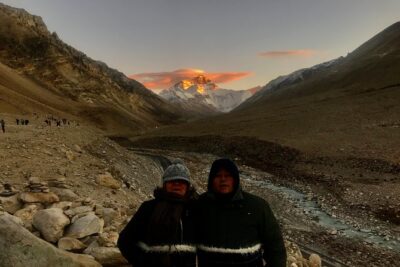
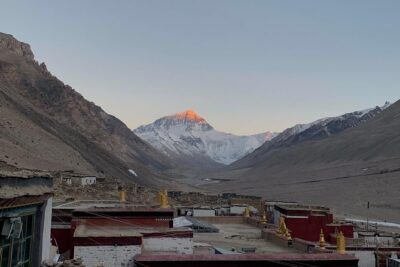 ★ 5.0Tibet Tour 8 Days Lhasa to Everest Base Camp Small Group TourFrom $949578 reviews
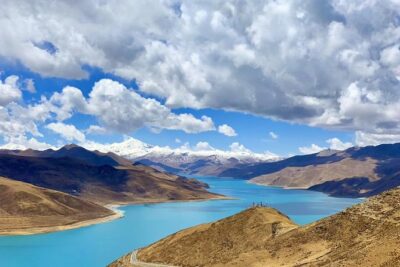
 ★ 5.07 Days Lhasa to Kathmandu Overland Small Group Tibet Tour via EBCFrom $989188 reviews
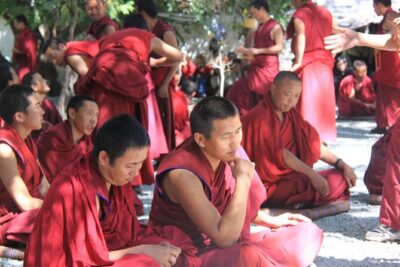
 ★ 5.010 Days Tibet Everest Base Camp and Namtso Small Group TourFrom $1,329108 reviews
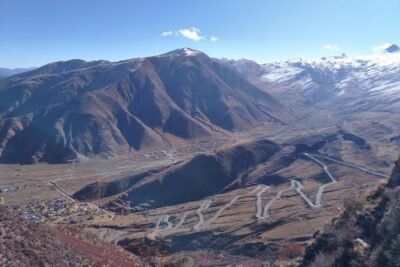
 ★ 4.54 Days Lhasa Impression Small Group TourFrom $50967 reviews
 ★ 5.06 Days Central Tibet Culture Small Group TourFrom $79953 reviews
 ★ 5.08 Days Lhasa Gyantse Shigatse Mt Everest Group TourFrom $1,10052 reviews
 ★ 5.0Private Guided Day Tour Potala Palace and Sera MonasteryFrom $74522 reviews
 ★ 4.09 Days Lhasa Gyantse Shigatse Everest Namtso Group TourFrom $1,44321 reviews
Browse the lists this tour appears in