
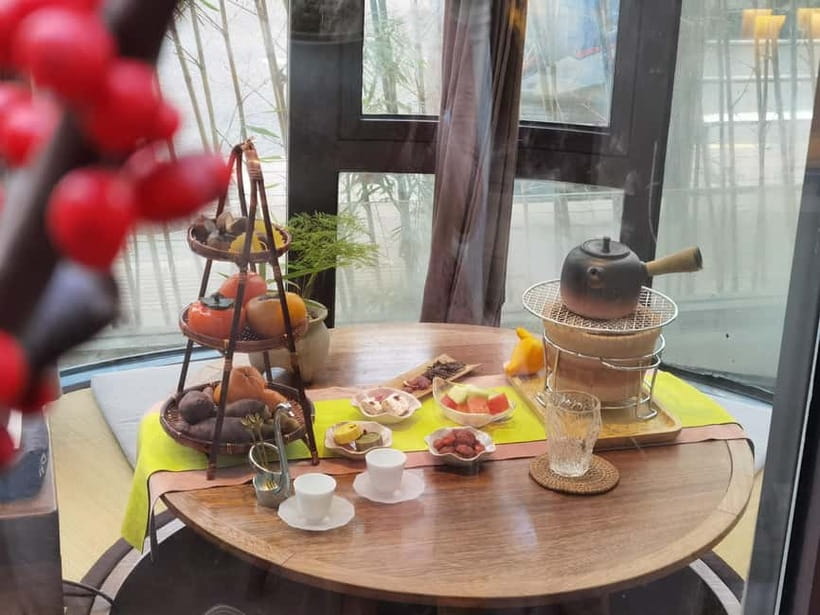
REVIEW · CHINESE TEA HOUSE EXPERIENCES
Shanghai: Chinese Tea Ceremony Experience
Tea gets serious in Shanghai, and this 3-hour ceremony does it right. I love the small group setup (up to 8), because you actually get attention, and I love the blind tasting approach that trains your senses instead of relying on labels. One catch: transportation isn’t included, so you’ll need your own plan to get to the meeting point near the marked location.
This experience is led by a tea expert guide, in English and Chinese, and it’s built around a real sequence of tasting and technique, not just watching. You’ll sample an assortment of Chinese teas, enjoy snacks, and learn the Song Dynasty style of tea whisking and brewing in a hands-on group setting. There’s also an optional dress-up for photos, if you want a fun add-on.
Wear comfortable shoes and keep scents light, because strong perfume can mess with aroma tasting. If you have food allergies, note this is not suitable for people with food allergies, and wheelchair users are not able to join.
In This Review
- Key Things To Know Before You Go
- A 3-Hour Tea Lesson That Fits Real Shanghai Time
- Blind Tasting: Train Your Senses Instead of Chasing Labels
- China’s Three Tea Classes: Comparing Aroma and Texture Like a Pro
- Song Dynasty Whisking and Brewing: Hands-On Technique in a Small Group
- Snacks, Timing, and the Practical Comfort Stuff That Helps You Enjoy It
- Price and Value: Is $143 Worth It?
- Who Should Book This Tea Ceremony (and Who Should Skip It)
- Should You Book This Chinese Tea Ceremony Experience?
- FAQ
- How long is the Chinese Tea Ceremony Experience in Shanghai?
- What is the group size?
- What language will the instructor speak?
- Is transportation to and from the activity included?
- What is included in the ticket price?
- What should I bring?
- Is the experience suitable for people with food allergies or wheelchair users?
Key Things To Know Before You Go
- Small group attention: limited to 8 participants, so questions do not get lost in the crowd
- Blind tasting practice: you judge teas by smell and flavor first, not by name
- Three tea classes: you compare aroma and texture across multiple types in one session
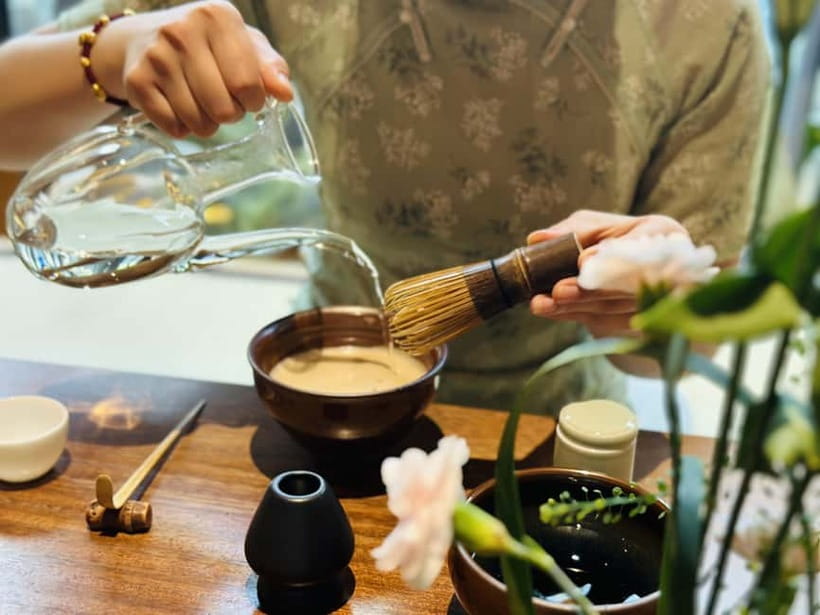
- Song Dynasty whisking and brewing: you learn a signature technique as part of the lesson
- Snacks are included: a small palate reset during the 3-hour experience
- English and Chinese instruction: your guide can explain details clearly, plus answer questions
More tea, poured properly
- Biking Real Shanghai& Tea Tasting Experience★ 4.5 · 45 reviews
- Afternoon Tea and Dessert Tour on the Huaihai Road in Shanghai★ 5.0 · 19 reviews
- 3-Hour Shanghai Yu Garden &Old Town Private Tour with Tea Tasting★ 5.0 · 17 reviews
- Unlock Chinese Tea: Culture, Science, Tasting & Hands-on Brewing★ 5.0 · 12 reviews
A 3-Hour Tea Lesson That Fits Real Shanghai Time
Shanghai can feel like a constant sprint. This is the opposite. The ceremony runs 3 hours, which is long enough to learn something real, but not so long that you burn your whole day. You’ll be guided the whole time by a tea expert, and the group stays small, capped at 8 participants, so it has the feel of a lesson rather than a performance.
Timing is also your friend here. You check availability for starting times, and once you book, the meeting point is provided after booking, near a marked location. That means you should plan a little flexibility in your schedule. If you stack this right after another activity, you might rush. If you treat it like a reset, you’ll get more out of it.
This is also a sensory activity. That sounds obvious, but it changes how you show up. Comfortable clothes matter, because the session includes hands-on tea whisking and brewing. Comfortable shoes matter too, since you’ll be moving around during the teaching. A camera helps if you want photos of the process and the tea ware, and you’ll likely want to capture the moments you’ll want to remember later.
One more practical point: bring a light hand on fragrance. You will be tasting by aroma, and strong perfume can interfere. Keep your scents minimal that day, and you’ll notice the difference fast.
Blind Tasting: Train Your Senses Instead of Chasing Labels
The centerpiece of this experience is a blind tasting. That means you taste teas without being handed a name right away, so you pay attention to what your senses actually pick up. It’s not just a fun twist. It forces a skill that most people skip: tasting slowly and separating aroma from flavor from texture.
During the tasting, the guide helps you explore how each tea feels in your mouth, not just how it tastes. Expect to pay attention to:
- the aroma you notice first
- the flavor shift after the sip
- how the tea lingers, and how it feels on your tongue
I like this format because it levels the playing field. If you’re new to tea, you are not at a disadvantage. If you’re already picky, you still get challenged, because you cannot rely on what you think you know.
You can also make this kind of tasting easier on yourself. Here are a few moves that help:
- Smell the tea before you sip, then again right after, so you catch changes
- Take smaller sips than you think you need, so you can compare more accurately
- If there’s time, note simple words like floral, nutty, roasted, light, bold, or mellow
- Pause between cups, so your palate does not blend everything together
And yes, it can feel slightly weird at first, tasting without context. That’s part of the point. Once the guide walks you through what to notice, you start tasting with more intention.
China’s Three Tea Classes: Comparing Aroma and Texture Like a Pro
After the blind tasting sets your senses on alert, you move into China’s three tea categories. The idea is comparison, not memorization. You’ll savor the flavor and aroma of each sip and learn what makes each class feel different.
Because the ceremony is structured, you do not just get random samples. You go through classes in sequence, guided by a tea expert. That matters, because you can learn faster when the guide ties the sensory experience to the practice.
Here’s what you should actively listen for, no matter your experience level:
- Aroma: does it feel sharp, soft, toasted, or grassy
- Body or texture: does it feel light and airy, or thicker and more coating
- Taste evolution: does the flavor change after the first moment, or stay steady
- Aftertaste: does it fade quickly, or linger in a noticeable way
This is where the ceremony earns its ticket price. “Tea tasting” can mean passive sipping at a table. Here, the session trains you to notice differences you’d miss if you simply drank a cup and moved on.
I also like that snacks are included. Tea can be surprisingly drying if you’re not used to it. Snacks give your mouth a chance to reset so your next sip stays clear.
Song Dynasty Whisking and Brewing: Hands-On Technique in a Small Group
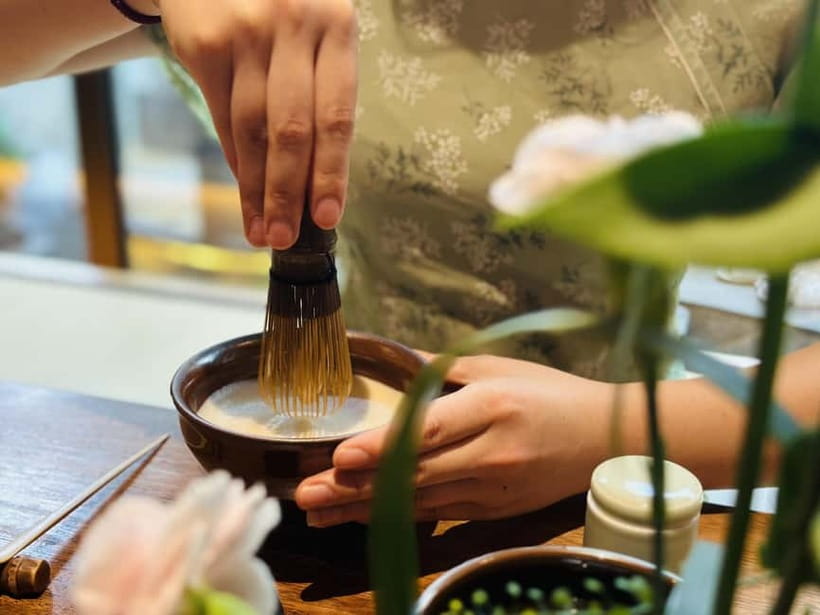
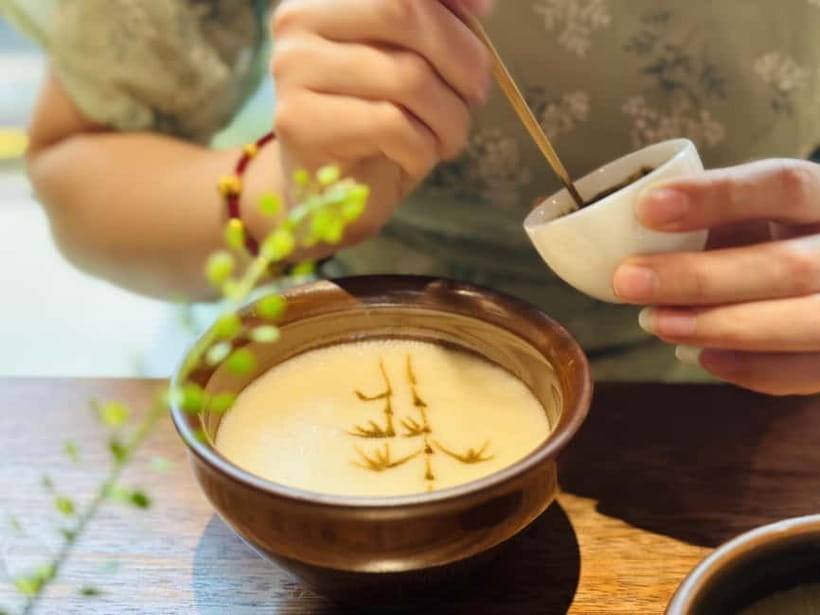
The hands-on part is the moment this ceremony becomes memorable. You’ll learn Song Dynasty tea whisking and brewing in a small group setting. You are not just watching someone perform. You get guided instruction, then you try the technique yourself.
That matters for two reasons.
First, technique makes tea culture feel real. Ritual can sound abstract when it’s explained from a distance. But when your hands are part of it, you understand why the steps exist. You also learn the pace that tea demands. It’s slower than “grab a cup and go,” and it’s built for attention.
Second, learning by doing helps you remember. You will likely come away knowing more than you could after reading a few pages about tea culture. Even if you never replicate the exact method at home, you’ll have a clear mental picture of the motions, the care, and the reason for them.
If you’re the kind of person who worries about doing things wrong, good news: small group size helps. With a maximum of 8 participants, the guide can correct you and explain what to feel and watch for as you whisk and brew.
And you will also understand why this experience is offered as a full program instead of a quick tasting. You need time for learning, tasting, and absorbing the lesson.



Snacks, Timing, and the Practical Comfort Stuff That Helps You Enjoy It
Tea sessions sound elegant, until your stomach complains. This one includes snacks, which is a smart move for a 3-hour experience. It helps you stay comfortable and keeps your palate ready for each tasting segment. It also makes the experience more beginner-friendly, because you do not have to plan a separate meal.
What to bring is straightforward, and worth following:
- Comfortable shoes
- Camera
- Comfortable clothes
- Snacks
Yes, snacks are listed as both included and suggested to bring. That usually means you are welcome to bring extra if you have preferences or want insurance. Use your best judgment based on your schedule and appetite.
Also, keep the day’s fragrance simple. Avoid strong perfumes so you can catch tea aromas properly. If you tend to wear scented lotion or hair products, go lighter than usual that day.
One small rule reminder: smoking is not allowed, and alcoholic drinks in the vehicle are not allowed. That’s mostly about keeping the session pleasant and focused on tea, and it also prevents aroma interference.
Finally, the meeting point is near the marked location. Since it’s not listed as a fixed address here, give yourself time to find the exact spot after booking instructions arrive. That is basic, but it saves stress.
Price and Value: Is $143 Worth It?
At $143 per person for 3 hours, the pricing is not the cheapest activity in Shanghai. But it’s also not trying to be. Here’s where the value comes from.
You’re paying for:
- A tea expert guide who can teach in English and Chinese
- An assortment of Chinese teas for tasting
- Blind tasting and guided comparison across three tea categories
- Hands-on Song Dynasty whisking and brewing instruction
- Snacks included
- A small group capped at 8 people
In other words, this is not just “drink tea.” It’s a guided sensory class plus a technique session. Those are time-intensive, and they require prepared tea materials, instruction, and group management that only works well at small capacity.
If you enjoy food and culture experiences where you learn a method, this price starts to make sense. If you only want a quick, casual cup, you might find it more expensive than you expected. But if you’re the type who likes to understand what you’re tasting and why, this is the kind of activity that can feel worth it for the craft and attention.
Also, the group size matters for perceived value. A larger group can turn tasting into a rush. Here, the ceiling of 8 participants keeps it interactive, so you get guidance instead of just audio.
Who Should Book This Tea Ceremony (and Who Should Skip It)
This is a great fit if:
- You want a calm, structured cultural experience in Shanghai
- You enjoy hands-on learning, not just watching
- You like guided tasting where the focus is on aroma, flavor, and texture
- You are traveling with limited time and want a full 3-hour program
It may not be the best fit if:
- You use a wheelchair, since the experience is not suitable for wheelchair users
- You have food allergies, since it is not suitable for people with food allergies
- You do not have a way to reach the meeting point, since transportation is not included
One more practical match point: if you’re sensitive to smells or you like strong scented products, adjust your routine for the day. Tea aroma is part of the lesson, and you’ll enjoy it more if your environment supports it.
Should You Book This Chinese Tea Ceremony Experience?
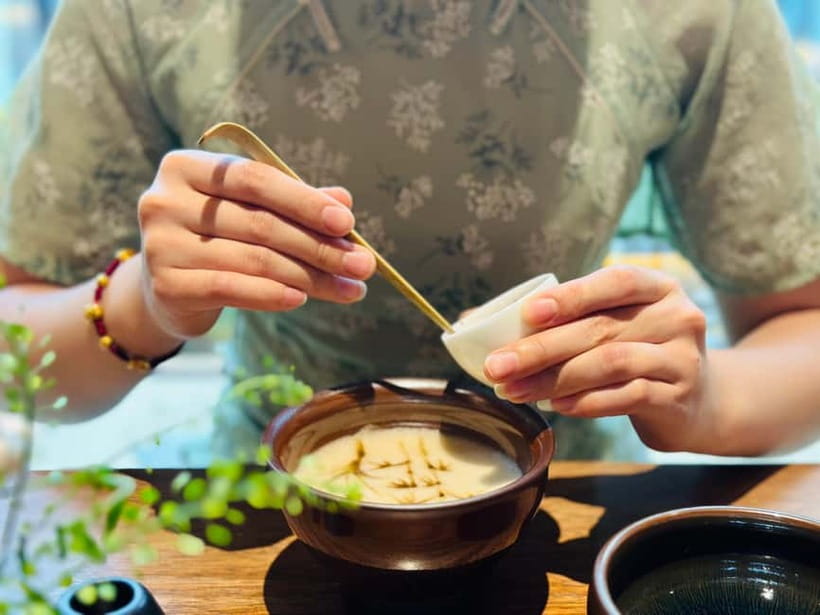
I think this is worth booking if you want a genuine, skill-based tea session with time for tasting and technique. The combination of blind tasting, structured tasting across three tea classes, and hands-on Song Dynasty whisking and brewing is a strong trio. You’re not just sampling, you’re learning how to taste, then learning how tea preparation works.
Book it if you like slow experiences and you value expert guidance in a small group. You’ll get more from it if you show up with comfortable clothes, light fragrance, and an open mind to tasting without labels.
Skip it if accessibility is an issue for you, or if food allergies apply. Also, plan your transit in advance, because the tour does not include transportation.
If you do decide to book, keep your schedule realistic. Give it space in your day. Then you can enjoy the point of tea, which is attention.
FAQ
How long is the Chinese Tea Ceremony Experience in Shanghai?
The experience lasts 3 hours.
What is the group size?
It is a small group limited to 8 participants.
What language will the instructor speak?
The instructor teaches in English and Chinese.
Is transportation to and from the activity included?
No. Transportation to and from the activity is not included.
What is included in the ticket price?
Your ticket includes a tea expert guide, an assortment of Chinese teas, and snacks.
What should I bring?
Bring comfortable shoes, a camera, snacks, and comfortable clothes.
Is the experience suitable for people with food allergies or wheelchair users?
No. It is not suitable for wheelchair users and not suitable for people with food allergies.
More Tour Reviews in Shanghai



More Tea, Poured Properly

Shanghai, reviewed one booking at a time
- Zhujiajiao Water Town and Shanghai City Highlights Private Day Tour
★ 5.0 · 3 reviews - Zhujiajiao Water Town Private Tour with Local Farm Visit and Fruit Picking
★ 5.0 · 3 reviews - Tongli Water Town Self-Guided Tour with Private Transfer from Shanghai
★ 5.0 · 3 reviews - Shanghai by Night with Fine Local Dinner and VIP River Cruise Experiences
★ 5.0 · 3 reviews - Shanghai Acrobatic Show Tickets
★ 5.0 · 3 reviews - Private Shanghai Layover Tour to Zhaojialou Water Town with Lunch or Dinner
★ 5.0 · 3 reviews
Chinese Tea House Experiences, compared.
 ★ 5.0One-Day Hangzhou Dragon Well Tea Culture & West Lake Private TourFrom $27098 reviews
 ★ 4.7Traditional Chinese Tea Ceremony ExperienceFrom $974 reviews
 ★ 4.7Beijing: Dumpling Making Workshop with Meal and TeaFrom $3569 reviews
 ★ 5.0Beijing Culture: Tea Ceremony, Heritage Instrument & CalligraphyFrom $7857 reviews
 ★ 4.5Biking Real Shanghai& Tea Tasting ExperienceFrom $8845 reviews
 ★ 5.0Tea Village in lost Town and Buddha 1 day tourFrom $16932 reviews
 ★ 5.0Authentic Hangzhou Longjing Tea Culture Experience TourFrom $5232 reviews
 ★ 4.7Chinese Tea ceremony in Beijing Hutong courtyardFrom $3126 reviews
Browse the lists this tour appears in