
REVIEW · CHINESE TEA HOUSE EXPERIENCES
Unlock Chinese Tea: Culture, Science, Tasting & Hands-on Brewing
Tea tasting can teach you a city. This small-group workshop in Shanghai turns Chinese tea culture into something you can taste, smell, and brew yourself, led by Max, a certified English guide and Chinese tea specialist (small group and hands-on brewing). One drawback to plan around, this is not a long sightseeing tour, it is mainly a tea session in a cozy room.
I like that Max teaches with real explanations, not just pouring cups. You get the story of tea from its early use as an herb to how it became a daily habit, plus the practical science behind what processing does to flavor.
Another consideration: since you are tasting multiple teas and brewing a few styles, it helps to show up ready to pay attention. If you want a hands-off, casual drink-only experience, this may feel a bit structured.
In This Review
- Key Things You Should Know Before You Go
- Meet Max, Then Taste the Logic Behind Chinese Tea
- Six Tea Categories, and How Processing Changes What You Taste
- Brewing in Your Hands: Gaiwan, Clay Pots, and Etiquette
- Tea Tasting Skills You Can Use That Same Night
- Snacks, Pomelo, and the Small Pairings That Matter
- Where You Start, and Why Old Town Matters for This Class
- Price and Value: Is $72 Worth It?
- Who Should Book This Workshop, and Who Might Skip It
- The Practical Stuff: Timing, Tickets, and What Is Included
- Should You Book This Chinese Tea Workshop?
- FAQ
- How long is the Chinese tea workshop in Shanghai?
- How many people are in the group?
- Who is the guide for this experience?
- What teas will I taste?
- Is hands-on brewing included?
- Are snacks included?
- Is coffee and/or tea included?
- Where do I meet for the workshop?
- Is the location easy to reach?
- What is the cancellation policy?
Key Things You Should Know Before You Go
- Max is the guide. The workshop is led by Max, with a strong focus on Chinese tea culture and English explanations.
- Maxes at 7 people. The small group size is part of why you get personal attention while brewing.
- You taste across six tea categories. You learn how processing changes flavor, not just the labels.
- Hands-on ware time is real. You practice brewing using tools such as a gaiwan and clay pots, plus etiquette.
- Snacks are part of the lesson. You can expect tea snacks, including seasonal fruit like pomelo.
More tea, poured properly
- Afternoon Tea and Dessert Tour on the Huaihai Road in Shanghai★ 5.0 · 19 reviews
- 3-Hour Shanghai Yu Garden &Old Town Private Tour with Tea Tasting★ 5.0 · 17 reviews
- Unlock Chinese Tea: Culture, Science, Tasting & Hands-on Brewing★ 5.0 · 12 reviews
- Shanghai: Song Dynasty Tea Ceremony Experience★ 5.0 · 10 reviews
Meet Max, Then Taste the Logic Behind Chinese Tea
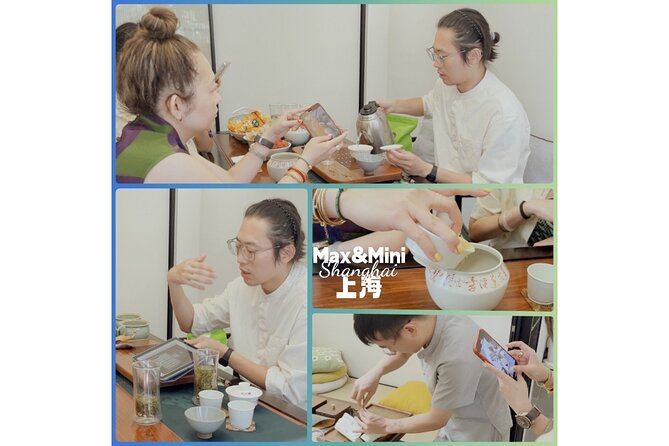
Max runs the session, and that matters. In a lot of tea classes, you get a lecture, then a few sips. Here, you get guidance that connects steps, leaves, and outcomes. You taste, then you compare, then you brew again with tweaks, so the differences start to click.
Max also blends culture with science. You hear how tea evolved across Chinese dynasties and why tea became a regular daily drink. Then you link that story to what you can actually taste in the cup. That combination is a big reason this kind of workshop feels more useful than a casual tasting.
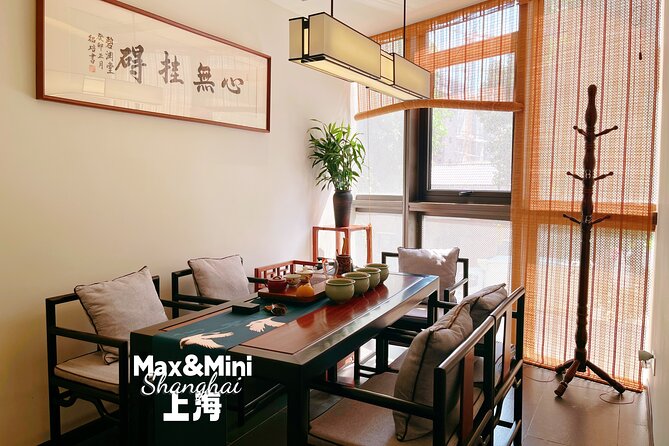
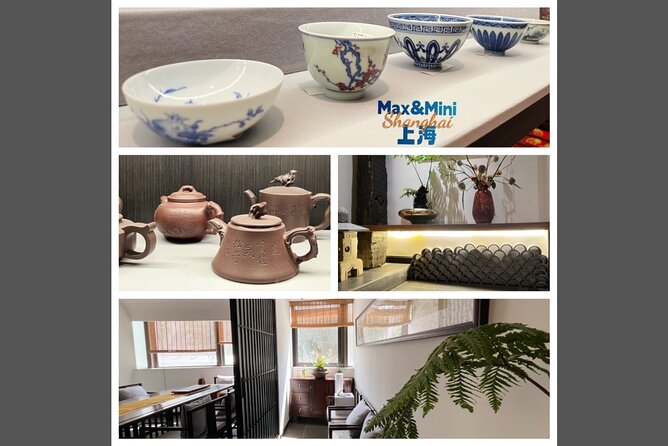
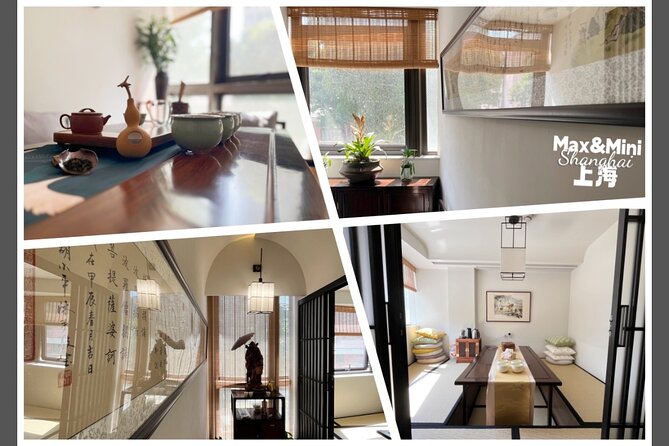
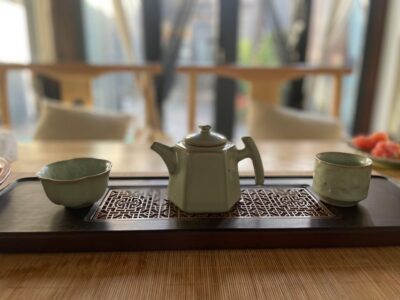
You also get a coziness factor that is hard to fake. The workshop takes place in a private tea room, with air conditioning and practice tea ware set up for the class. You are not squeezing into a loud public space. You are learning in a calm pocket of Shanghai, which helps you focus on subtle flavors.
Six Tea Categories, and How Processing Changes What You Taste
The heart of the class is comparing teas side by side. You taste several types and learn basic tasting skills so you can recognize why one tea tastes lighter or deeper than another. This is not about learning one “best” tea. It is about understanding categories and how the leaves react to processing.
You learn the six major Chinese tea categories, including green, black, and oolong, plus the other categories covered in the workshop. The key idea you walk away with is that processing shapes flavor. That can sound abstract until you smell and sip multiple examples in the same lesson.
Here is how that translates into something practical for you. After a few tastings, you stop thinking of tea as a generic beverage. You start thinking of tea as a set of choices: leaf handling, oxidation level, roasting or not, and brewing approach. Even if you never memorize the science terms, you will feel the patterns.
Brewing in Your Hands: Gaiwan, Clay Pots, and Etiquette
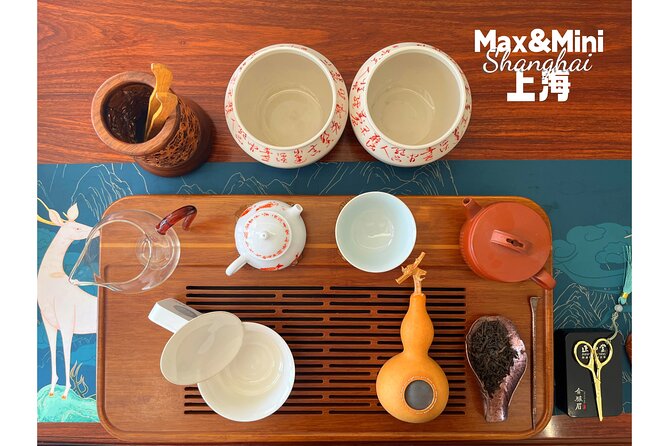
The hands-on part is what makes this workshop more than a tasting flight. You practice traditional brewing methods using different tea ware, including gaiwan and clay pots. Max also teaches tea etiquette, which sounds formal, but it is really about how to pour, how to handle the cup, and how to brew in a way that does not mask the tea.
Why this matters for you as a traveler: when you brew at home, the same tea can taste completely different depending on water temperature, steep timing, and vessel style. The workshop gives you a feel for those variables so you are not guessing later.
You also get to practice in a room that is set up for learners, with practice tea ware ready for the group. That takes away the stress of trying to figure everything out with one strange teacup you bought at a souvenir shop.
Tea Tasting Skills You Can Use That Same Night
You will sample different teas and develop basic tasting skills. Max guides you on how to compare cups, so you learn to notice differences instead of just rating them from memory.
The tasting format helps you build an internal checklist. You start to pay attention to aroma, taste progression, and how a tea finishes in your mouth. Then you compare one category to another, which makes it easier to remember what makes each one distinct.
One detail I especially value is that the workshop is set up for both beginners and people who already know some tea. That means you can ask questions without feeling like you are slowing everyone down. If you are new, you learn the basics fast. If you have some experience, Max can still take you deeper with the science and brewing logic.
Other Shanghai trips our reviewers kept returning to


Snacks, Pomelo, and the Small Pairings That Matter
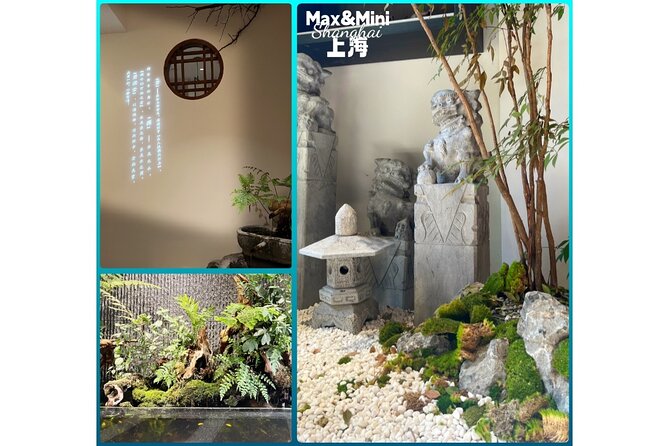
Tea is not only about the cup, it is also about what you eat alongside it. Snacks are included, and you get tea snacks that make sense with the tasting session. You might notice the workshop includes seasonal fruit like pomelo, plus other snacks designed for the tasting.
These pairings are useful because they change how you perceive flavor. A snack can reset your palate so the next tea tastes clearer. It can also highlight tea qualities you might otherwise miss. In other words, you are getting a more honest tasting setup.
Also, coffee and/or tea are included as part of the included items. That is a small but practical detail, especially if you like having something familiar while you settle in.
Where You Start, and Why Old Town Matters for This Class
The class includes a stop in Old Town, and the meeting point is at 宁海招待所 (149弄100号, 南车站路, Huangpu District, 200011). The activity ends back at the meeting point, so you are not left wandering across Shanghai after the last cup.
Why I like that setup: it reduces friction. You arrive, you learn, you taste, you brew, you snack, and then you are done close to where you started. This is great if you are juggling other sights that same day.
Also, it is near public transportation, so you are less dependent on taxis or long rides. For a 2.5 hour experience, that accessibility is not trivial. You want to spend your energy on the tea, not on transit.
Price and Value: Is $72 Worth It?
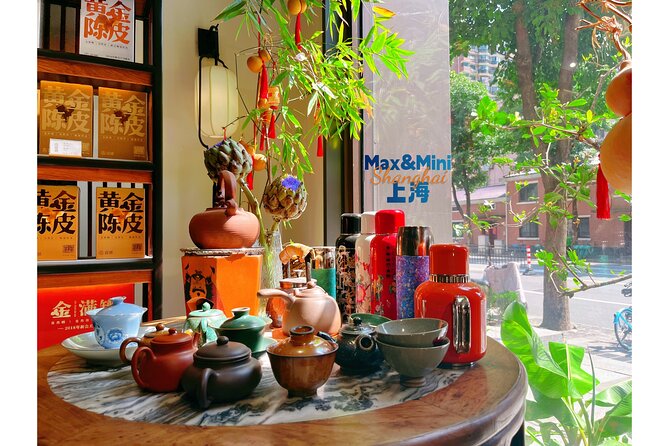
At $72 per person for about 2 hours 30 minutes, the price is not budget-chic. But for what you get, it can feel fair, especially because of the small group size and the hands-on brewing time.
You are paying for several things at once:
- a certified English guide, Max, who explains culture and science
- multiple tea tastings across tea categories
- included snacks and coffee and/or tea
- practice tea ware and a private tea room with a comfortable learning setup
- small-group attention for brewing technique and etiquette
If you only wanted one tea tasting, you could probably find cheaper options. The difference here is the learning component. You leave with skills you can actually use, brewing technique you practiced yourself, and a framework for understanding what you will see on tea menus later.
In practical terms, if you enjoy tea and you are the type who likes learning by doing, $72 can feel like a good investment. If you just want to drink and chat, you might decide the value is lower for you.
Who Should Book This Workshop, and Who Might Skip It
This works best if you:
- want Chinese tea culture explained clearly in English
- like learning through tastings and brewing steps
- enjoy food pairing moments, including included snacks
- want a small group setting rather than a big, fast group tour
You might skip it if:
- you were hoping for a long, sightseeing-heavy outing
- you prefer casual, low-structure activities only
- you do not want to taste multiple teas in sequence
If you are visiting Shanghai for the first time, this can be a smart “culture with practical payback” activity. It is also a great option on a day when you want something indoor and calm, because the tea room setup includes comfort like air conditioning.
The Practical Stuff: Timing, Tickets, and What Is Included
The workshop lasts about 2 hours 30 minutes. Confirmation comes at booking time, and you get a mobile ticket. Group discounts are available, which can improve value if you book with someone.
Included items focus on the tasting and learning experience:
- coffee and/or tea, and you will taste multiple Chinese teas
- tea snacks
- a private cozy tea house room, with practice tea ware and air conditioning
Tips are not included, so you can factor that into your planning if you like to tip hosts.
Service animals are allowed, and the meeting point is near public transportation. The group is capped at a maximum of 7 travelers, which is part of why the experience feels personal rather than rushed.
Should You Book This Chinese Tea Workshop?
I would book it if you want to understand Chinese tea beyond surface-level drinking. Max’s approach, from tea history through the science of processing and then into hands-on brewing with gaiwan and clay pots, gives you a complete loop: learn, taste, compare, practice.
Also, the feedback is consistently strong, with a 4.9 out of 5 rating and 100% recommended, which lines up with what you get here: small group attention, lots of tasting variety, and a teacher who answers questions.
If your ideal Shanghai day is mostly wandering streets and ticking off sights, you may feel you spent too much time indoors. But if you want a skill you can take home, a calm tea room experience, and a guide who keeps things both cultural and practical, this is a very solid choice.
FAQ
How long is the Chinese tea workshop in Shanghai?
It runs for about 2 hours 30 minutes.
How many people are in the group?
The maximum group size is 7 travelers.
Who is the guide for this experience?
Max leads the workshop as the English guide.
What teas will I taste?
You will taste various Chinese teas, and the experience focuses on China’s six major tea categories.
Is hands-on brewing included?
Yes. You practice traditional brewing methods using different tea ware such as gaiwan and clay pots, along with tea etiquette.
Are snacks included?
Yes. Tea snacks are included, and seasonal fruit such as pomelo may be provided.
Is coffee and/or tea included?
Yes. Coffee and/or tea are included as part of what you’ll have during the workshop.
Where do I meet for the workshop?
You start at 宁海招待所, 149弄100号, 南车站路, 黄浦区, 200011, Shanghai, China.
Is the location easy to reach?
The meeting point is near public transportation.
What is the cancellation policy?
Free cancellation is available up to 24 hours in advance for a full refund. If you cancel less than 24 hours before the start time, the amount paid is not refunded.
More Food & Drink in Shanghai



More Tour Reviews in Shanghai




More Tea, Poured Properly


Shanghai, reviewed one booking at a time
- Zhujiajiao Water Town and Shanghai City Highlights Private Day Tour
★ 5.0 · 3 reviews - Zhujiajiao Water Town Private Tour with Local Farm Visit and Fruit Picking
★ 5.0 · 3 reviews - Tongli Water Town Self-Guided Tour with Private Transfer from Shanghai
★ 5.0 · 3 reviews - Shanghai by Night with Fine Local Dinner and VIP River Cruise Experiences
★ 5.0 · 3 reviews - Shanghai Acrobatic Show Tickets
★ 5.0 · 3 reviews - Private Shanghai Layover Tour to Zhaojialou Water Town with Lunch or Dinner
★ 5.0 · 3 reviews
Chinese Tea House Experiences, compared.
 ★ 5.0One-Day Hangzhou Dragon Well Tea Culture & West Lake Private TourFrom $27098 reviews
 ★ 4.7Traditional Chinese Tea Ceremony ExperienceFrom $974 reviews
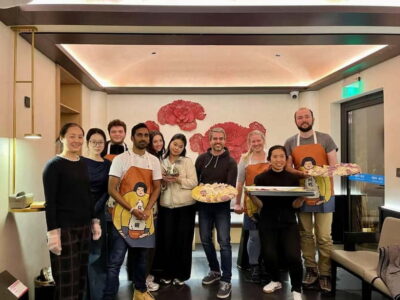 ★ 4.7Beijing: Dumpling Making Workshop with Meal and TeaFrom $3569 reviews
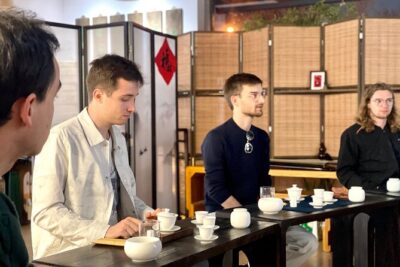 ★ 5.0Beijing Culture: Tea Ceremony, Heritage Instrument & CalligraphyFrom $7857 reviews
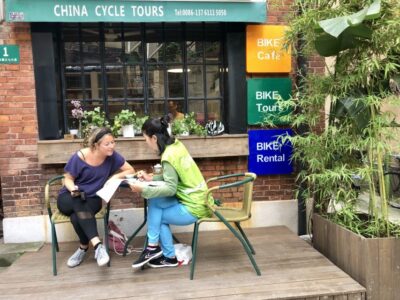 ★ 4.5Biking Real Shanghai& Tea Tasting ExperienceFrom $8845 reviews
 ★ 5.0Tea Village in lost Town and Buddha 1 day tourFrom $16932 reviews
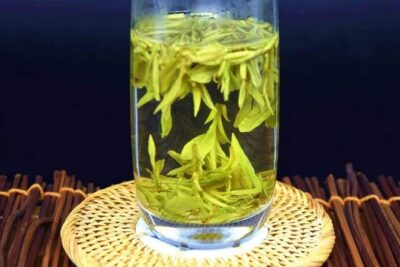 ★ 5.0Authentic Hangzhou Longjing Tea Culture Experience TourFrom $5232 reviews
 ★ 4.7Chinese Tea ceremony in Beijing Hutong courtyardFrom $3126 reviews
Browse the lists this tour appears in