
REVIEW · CHINESE TEA HOUSE EXPERIENCES
Shanghai: Song Dynasty Tea Ceremony Experience
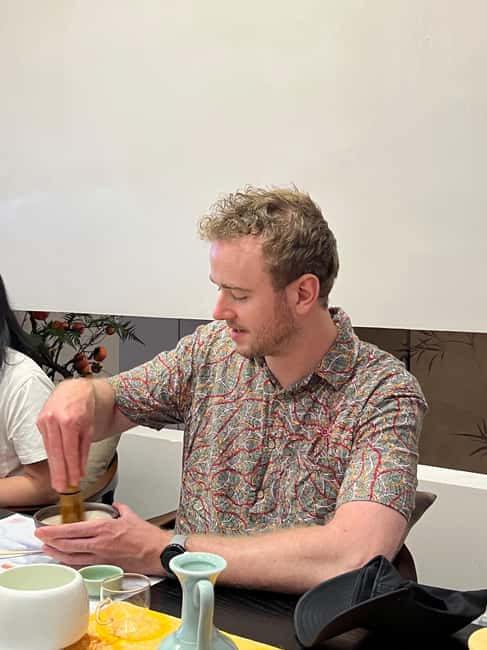
A calm table, a frothy cup, and real technique. The Song Dynasty tea whisking experience turns something simple into art, with an expert walking you through the tools, the method, and what to notice while you sip. The setting leans traditional, so you feel the old rhythm of tea culture instead of just watching a show.
What I love most is the hands-on practice with freshly whisked powdered tea, especially when the foam builds into that light, creamy layer people describe as almost flower-like. I also appreciate the patience and conversation factor, because you are not only tasting, you are learning what the process meant in Song times. One possible drawback: at $78 per person, it is not a quick bargain stop, so if you are chasing only sightseeing hits, this may feel slower than the rest of your Shanghai day.
In This Review
- Key things you should know
- Meeting the tea master at 168 Aomen Rd, Putuo District
- What happens in the first minutes: history in practical terms
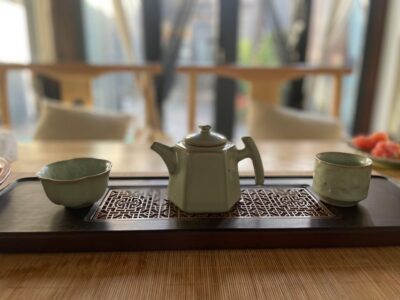
- The tea room look: traditional aesthetics without the museum stiffness
- The tools you use, and why each one changes the cup
- Whisking powdered tea: the technique that creates the foam
- What the tea tastes like, and how to notice aroma like a pro
- Why Song Dynasty tea culture feels more thoughtful than trendy
- Language support you can actually use
- Groups, pacing, and who this suits best
- Price and value: is $78 for 1.5 hours worth it?
- Quick planning tips so it goes smoothly
- Should you book this Song Dynasty tea ceremony in Shanghai?
- FAQ
- Where is the meeting point?
- How long is the tea ceremony experience?
- Is hotel pick up or drop off included?
- What languages are offered?
- Is this activity private or shared?
- Is the experience wheelchair accessible?
- What is included in the price?
- Are tips included?
- How do I get the exact meeting details?
- What is the cancellation policy?
Key things you should know
- 1.5 hours, focused and hands-on: you will spend the time whisking, tasting, and learning.
- Expert guidance matters: you get an expert tea master and supported interpretation for your language.
- Powdered tea technique, not loose tea: expect to work with whisk, bowl, and fine powdered leaves.
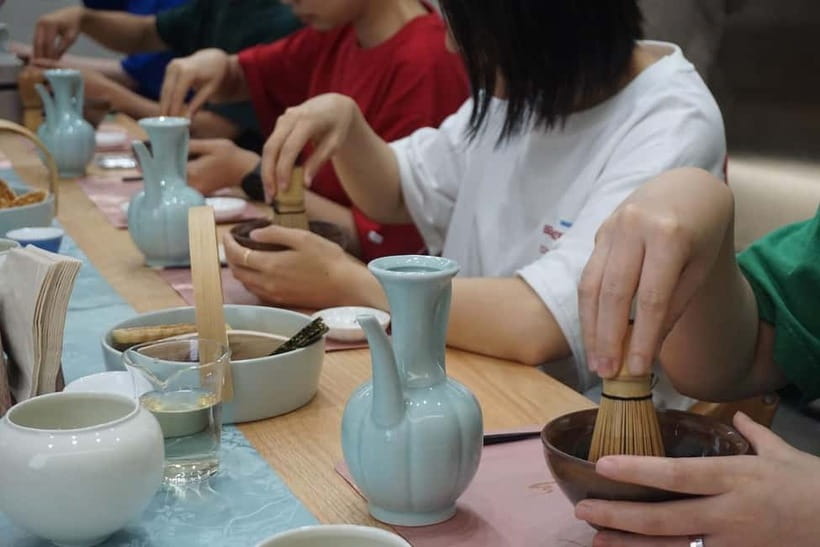
- Traditional tools, step-by-step use: whisk, tea scoop, tea tray, kettle, and more are part of the lesson.
- Photos and a private group: experience photos are included, and it is set up as a private group.
- Meet at the mall entrance: watch for the guide wearing a white hat with a red Eto logo.
More tea, poured properly
- Afternoon Tea and Dessert Tour on the Huaihai Road in Shanghai★ 5.0 · 19 reviews
- 3-Hour Shanghai Yu Garden &Old Town Private Tour with Tea Tasting★ 5.0 · 17 reviews
- Unlock Chinese Tea: Culture, Science, Tasting & Hands-on Brewing★ 5.0 · 12 reviews
- Shanghai: Song Dynasty Tea Ceremony Experience★ 5.0 · 10 reviews
Meeting the tea master at 168 Aomen Rd, Putuo District
This starts with something easy to miss if you wander. Meet at the Main Entrance of the Mall, 168 Aomen Rd, Putuo, Shanghai 200071, Putuo District. Your guide will be wearing a white hat with a red Eto logo, which makes it fairly straightforward to find the right person.
After booking, you should receive meeting details through WhatsApp. If you have never used WhatsApp while traveling, it is worth setting it up before you go, because this is how you get the key info fast. There is also WhatsApp Live Support, so you are not stuck if your timing runs late.
What happens in the first minutes: history in practical terms
Before you whisk anything, you get a short introduction to why tea mattered in China, with extra attention on the Song Dynasty. This is not taught as a dry lecture. You get a sense of tea as daily life and as something used in higher society, which helps explain why the method looks so deliberate.
That matters because Song tea practice was never only about caffeine. The care in selecting tools, controlling the water, and whisking to the right texture all tie back to taste, presentation, and a calm mindset. When you hear the cultural meaning first, the steps you do next feel like part of a whole, not just a craft demo.
The tea room look: traditional aesthetics without the museum stiffness
The setting is designed to feel traditional, with an emphasis on aesthetics. In plain terms, it means you are learning in an environment that does not fight the tea experience. You will notice how people behave differently when the space is quiet and tidy, and that helps you slow down without anyone telling you to.
This also supports a big part of why this experience works: you are not only learning what to do, you are learning how to notice. Foam texture, aroma, and even the visual of the tea surface get attention. If you are the kind of person who likes your cultural activities to feel grounded in real sensory details, this approach is a good match.
The tools you use, and why each one changes the cup
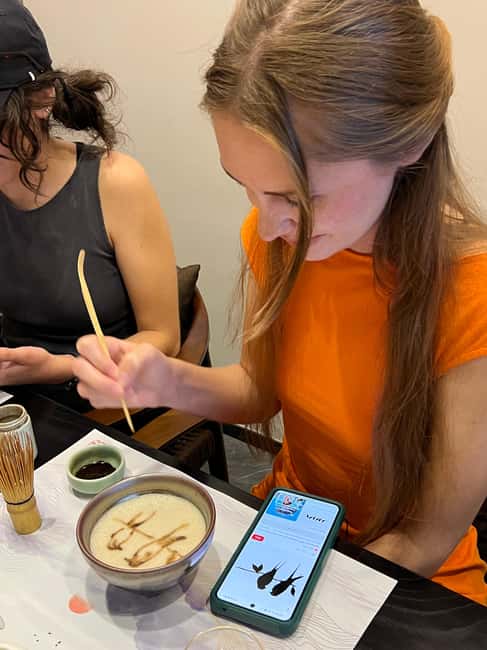
You will use the core equipment of this powdered-tea method. The experience includes a tea bowl, a tea whisk, a tea scoop, a tea tray, a hot water kettle, and a tea cloth. It is the full kit for making whisked tea properly, which means you are not pretending with paper cups and plastic spoons.
Here is how the tools shape the experience:
- The tea bowl is where the whisking happens, so you feel the rhythm and see the texture form in front of you.
- The tea whisk is the star. You learn how to whisk so the tea becomes frothy and aromatic, rather than just warm liquid.
- The tea scoop helps with handling powdered tea in a controlled way.
- The tea tray keeps the workflow tidy, so you spend less time worrying about mess and more time focusing on the cup.
- The hot water kettle gives you the heat you need, and the tea cloth is part of the clean, careful approach.
Even if you are not a tea geek, the tool sequence makes the lesson feel real. It also means you can ask questions and get specific answers, because you are working with the same categories of utensils they used for the ritual style.

Whisking powdered tea: the technique that creates the foam
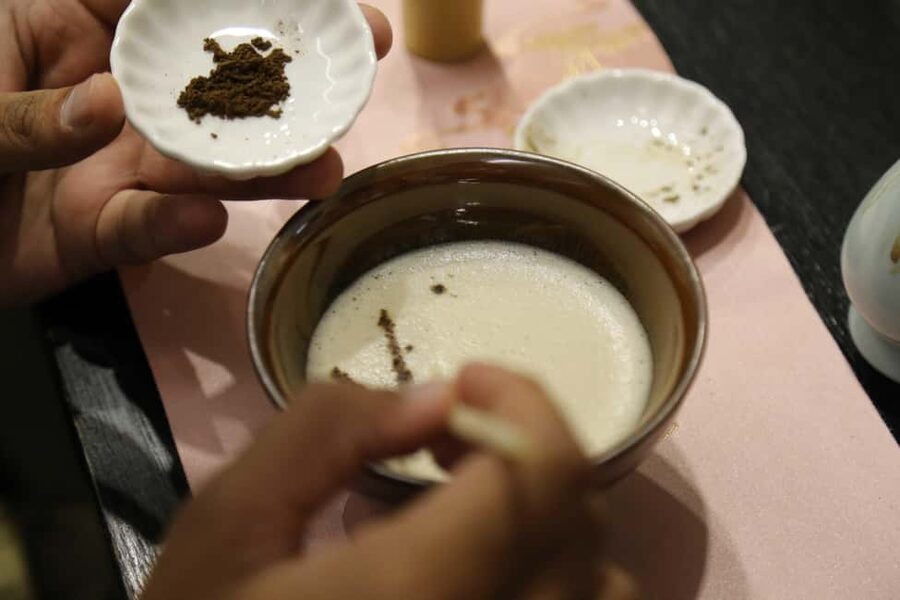
The heart of the session is learning the Song Dynasty method of making powdered tea. You will be guided step-by-step on how to whisk the tea so it turns frothy and aromatic.
Pay attention to two things as you practice:
- The feel of the whisking rhythm: it is repetitive, but not mindless. You are building consistency.
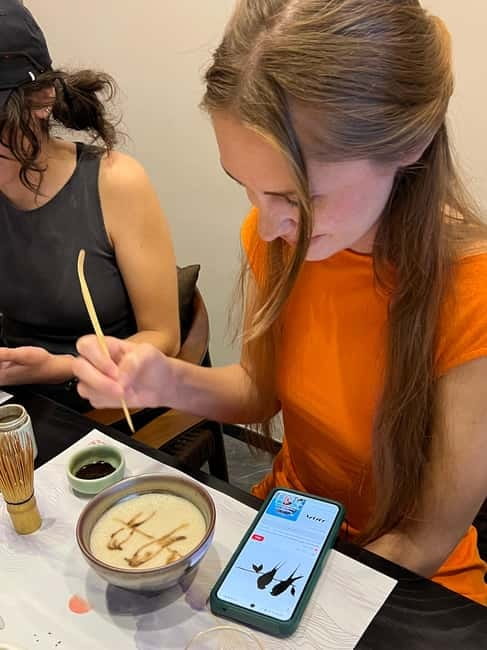
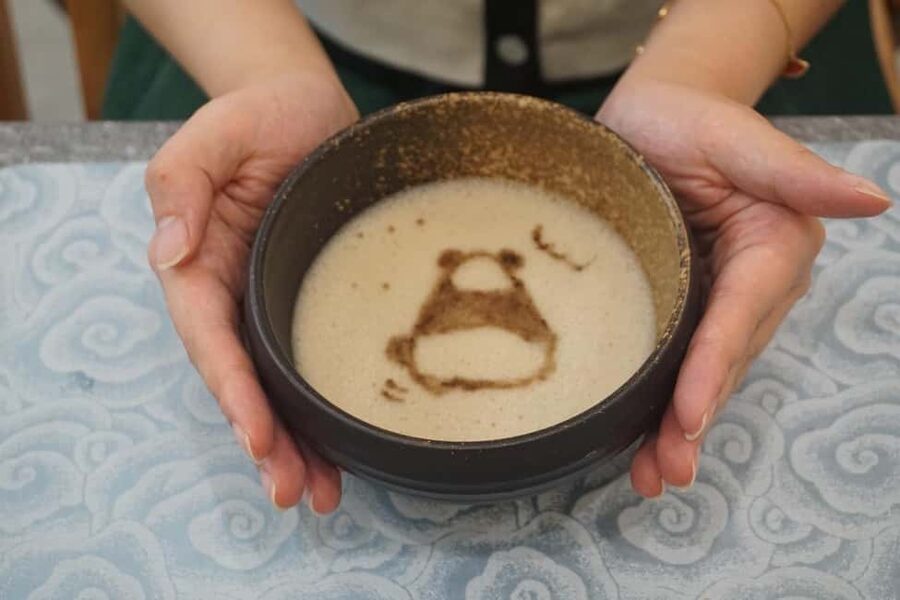
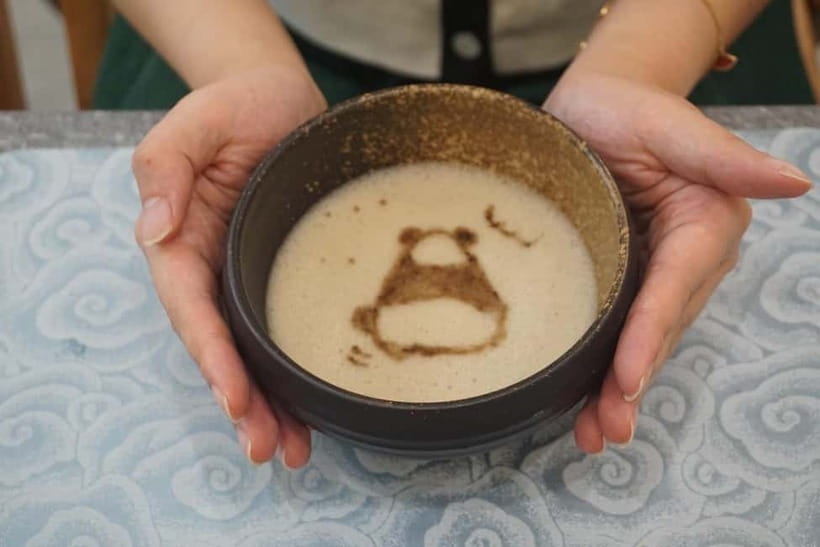
- The surface change: as you whisk correctly, the top texture transforms. People often talk about delicate foam and the way it looks on the surface, and that visual shift is part of the experience.
One of the best parts of this kind of class is that it teaches you to taste with your eyes first. When the foam forms in a smoother, lighter way, the aroma comes through differently. When the texture is off, you will notice it quickly. That feedback loop is one reason this feels better than many food tours where you eat and leave with memories only.
What the tea tastes like, and how to notice aroma like a pro
You will enjoy a tasting of freshly whisked tea. Freshly is the key word here. The tea you make is not sitting around, so the aroma is stronger and the flavor feels cleaner.
As you sip, try to separate three impressions:
- Aroma on the first inhale after you lift the bowl
- Flavor on the sip, focusing on smoothness
- After-sip feel, which changes as the tea cools slightly
You do not need to memorize tasting notes. What helps is learning how the process affects the cup. If your whisking creates better foam, the experience often feels more balanced. If your whisking is rougher, the tea can taste flatter or less fragrant. That is why the workshop part matters, even if you only consider yourself a casual tea drinker.
If you have never had powdered tea whisked this way, the closest comparison is not green tea leaves steeped in hot water. This is a different texture and a different sensory profile. Think creamy foam, bright aroma, and a more unified cup.
Why Song Dynasty tea culture feels more thoughtful than trendy
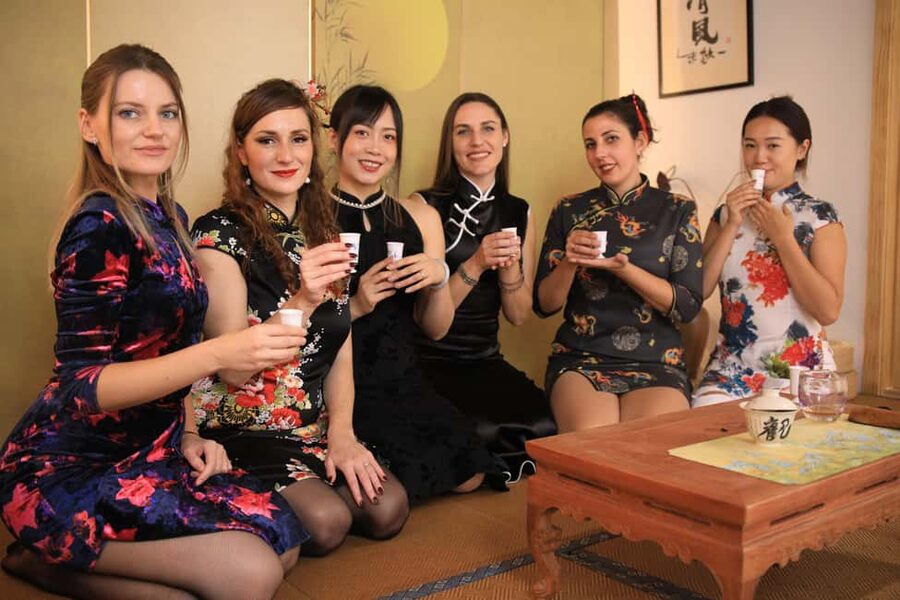
A lot of cultural experiences try to be flashy. This one leans quiet and precise. The meditative angle is not forced, but it shows up naturally in the act of whisking and watching the tea surface.
You learn the historical and cultural significance of tea during the Song Dynasty, and the lesson connects that meaning to behavior. The method asks for patience. The tools ask for care. The tasting asks you to slow down enough to notice.
It also helps that you are not just absorbing facts. You are doing something with your hands, and doing it while someone explains the philosophy behind the Song style. That combination sticks better than memorizing dates.
Language support you can actually use
The instructor support includes multiple languages: English, Chinese, Japanese, Korean, Spanish, Russian. That makes a difference because tea culture has its own vocabulary, and you want to understand the small distinctions the tea master is teaching.
In practice, helpful interpretation turns a nice class into a confident one. If you prefer not to rely on your phone translating mid-lesson, this kind of language coverage makes the whole experience smoother. It also makes it easier to ask questions about technique, flavor, and the history behind what you are doing.
Groups, pacing, and who this suits best
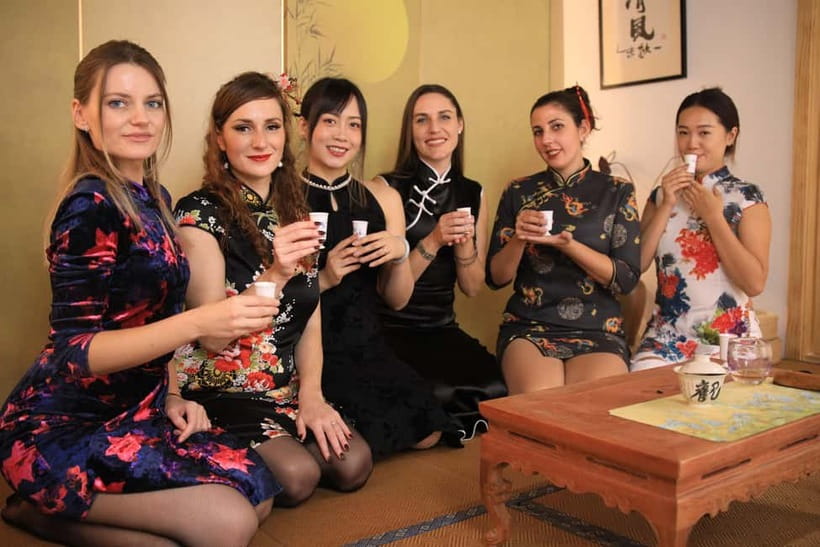
This is private group format, which usually means less waiting and more attention. It also reduces the awkwardness some people feel in shared classes where the instructor must spread time across different levels.
It lasts 1.5 hours, so you get depth without it turning into an all-day project. The pacing is structured around teaching the tools, guiding whisking, and then tasting. Because it is a focused block, it works well as a slower, thoughtful moment in a busy Shanghai itinerary.
Who it is best for:
- Tea lovers who want the actual whisking method, not just a photo stop
- History enthusiasts who like cultural context tied to what you do
- Families and small teams looking for cooperative, hands-on fun
- Anyone who prefers calm activities with good explanations and a respectful vibe
Who might hesitate:
- If you only have time for high-energy, big-ticket sightseeing, this may feel like a slower pace.
- If you dislike sitting and concentrating, whisking requires attention, even though it is guided and doable.
Price and value: is $78 for 1.5 hours worth it?
At $78 per person for 1.5 hours, the price sits in the “experiential class” range, not the “casual tasting” range. The value comes from what is included, not just from the instruction.
Included items include the tools you use during the ceremony, including the tea bowl, whisk, scoop, tray, kettle, and tea cloth, plus powdered tea. You also get experience photos and a tea master for the full session. You are not paying extra for the ingredients and you are not doing it with generic props.
What is not included is important for judging value: there is no pick up or drop off service, and tipping is not included. If you are traveling with limited mobility or planning a long day of transfers, you will want to factor in how you will reach the mall meeting point.
My take: for people who want a real technique lesson and a calm cultural reset, this price is reasonable because you leave with both practical know-how and a strong sensory memory. If you are price-sensitive and just want to sip tea somewhere nearby, you may find cheaper options. But if you want the Song Dynasty method taught properly, this is the more direct route.
Quick planning tips so it goes smoothly
A few practical things make the experience better:
- Arrive a bit early and look for the white hat with the red Eto logo.
- Expect a hands-on session, so comfortable sleeves help, especially if you are learning whisking and handling the tea bowl carefully.
- If you have a language preference, confirm it when you book so you can match with the interpreter support.
- Bring a curious mindset. You do not need to be a tea expert, but you do need to be willing to notice.
Also remember: it is a private group format, so if you come with questions about technique or flavor, you can usually get more attention than in a large group setting.
Should you book this Song Dynasty tea ceremony in Shanghai?
Book it if you want something calm, cultural, and skill-based. This is not just tea tasting, it is powdered-tea whisking taught in a traditional style, with a tea master guiding you through the process and helping you appreciate what makes the cup special.
Skip it if your trip is packed with nonstop sights and you want only quick, low-focus activities. At 1.5 hours, it demands a little attention, and it is best when you treat it like the highlight it is.
If you are traveling with tea lovers, families, or friends who enjoy hands-on learning, this is one of those experiences that makes everyone smile. You get an educational story, you get a practical technique, and you get a cup you made yourself.
FAQ
Where is the meeting point?
You meet at the Main Entrance of the Mall, 168 Aomen Rd, Putuo, Shanghai, 200071 (Putuo District). Look for your guide wearing a white hat with a red Eto logo.
How long is the tea ceremony experience?
The experience lasts about 1.5 hours.
Is hotel pick up or drop off included?
No, pick up or drop off service from your hotel is not included.
What languages are offered?
The instructor support languages listed are English, Chinese, Japanese, Korean, Spanish, and Russian.
Is this activity private or shared?
It is listed as a private group.
Is the experience wheelchair accessible?
Yes, it is marked as wheelchair accessible.
What is included in the price?
Included items are expert tea master, experience photos, WhatsApp Live Support, and the ceremony supplies such as the tea bowl, tea whisk, powdered tea, tea scoop, tea tray, hot water kettle, and tea cloth.
Are tips included?
Tipping is not included.
How do I get the exact meeting details?
Meeting details are sent via WhatsApp after your booking is confirmed.
What is the cancellation policy?
You can cancel up to 24 hours in advance for a full refund.
More Tour Reviews in Shanghai



More Tea, Poured Properly
Shanghai, reviewed one booking at a time
- Zhujiajiao Water Town and Shanghai City Highlights Private Day Tour
★ 5.0 · 3 reviews - Zhujiajiao Water Town Private Tour with Local Farm Visit and Fruit Picking
★ 5.0 · 3 reviews - Tongli Water Town Self-Guided Tour with Private Transfer from Shanghai
★ 5.0 · 3 reviews - Shanghai by Night with Fine Local Dinner and VIP River Cruise Experiences
★ 5.0 · 3 reviews - Shanghai Acrobatic Show Tickets
★ 5.0 · 3 reviews - Private Shanghai Layover Tour to Zhaojialou Water Town with Lunch or Dinner
★ 5.0 · 3 reviews
Chinese Tea House Experiences, compared.
 ★ 5.0One-Day Hangzhou Dragon Well Tea Culture & West Lake Private TourFrom $27098 reviews
 ★ 4.7Traditional Chinese Tea Ceremony ExperienceFrom $974 reviews
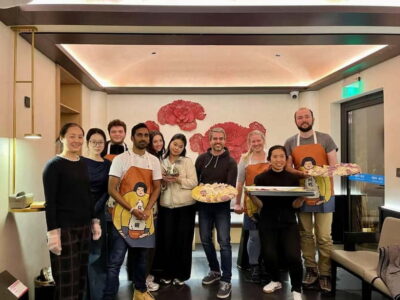 ★ 4.7Beijing: Dumpling Making Workshop with Meal and TeaFrom $3569 reviews
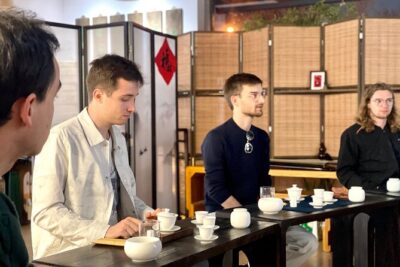 ★ 5.0Beijing Culture: Tea Ceremony, Heritage Instrument & CalligraphyFrom $7857 reviews
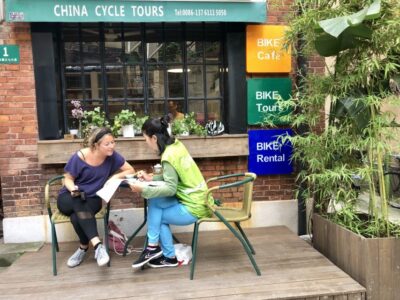 ★ 4.5Biking Real Shanghai& Tea Tasting ExperienceFrom $8845 reviews
 ★ 5.0Tea Village in lost Town and Buddha 1 day tourFrom $16932 reviews
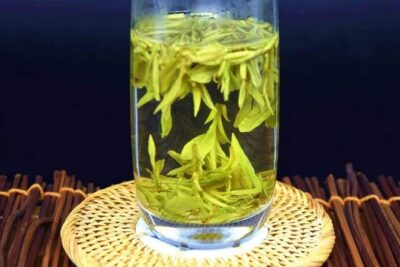 ★ 5.0Authentic Hangzhou Longjing Tea Culture Experience TourFrom $5232 reviews
 ★ 4.7Chinese Tea ceremony in Beijing Hutong courtyardFrom $3126 reviews
Browse the lists this tour appears in