
REVIEW · WORKSHOPS
2-Hour Private Chinese Ink and Brush Painting Workshop in Shanghai
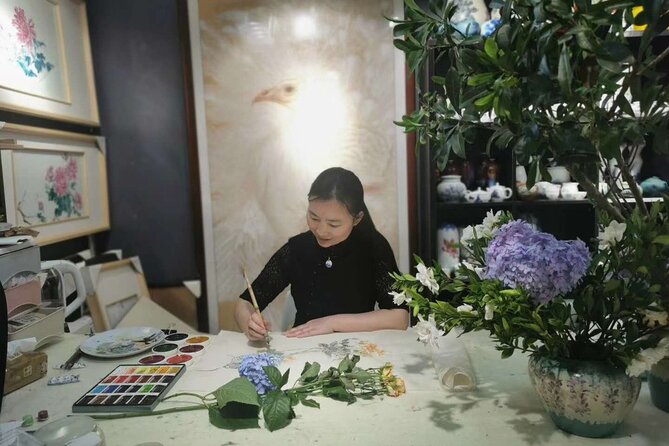
Shanghai slows down in two hours. You trade rush-hour stress for a calm brush practice in a real studio, with Shui Mo water and ink techniques and a small private class for up to four people. I also like that you leave with a finished painting you made yourself. The main consideration is practical, there is pickup from downtown Shanghai, but hotel drop-off is not included.
Your guide and translator handle the communication so you can focus on the lesson, not the language. You’ll work with the “Four Treasures” of Chinese painting, ink, brushes, paper, and the ink stone, and you can usually keep the pace relaxed with tea during the session. Since it runs in all weather, plan for the walk and the studio time with comfortable clothing.
In This Review
- Key points you’ll care about
- Downtown pickup to Pudong studio: how the session actually starts
- Small-group private class: what you learn with only a few people
- The Four Treasures and Shui Mo: the core art you’ll work with
- The lesson flow: from materials talk to your finished painting
- Tea breaks and pacing: why the studio feels relaxing
- Guides and teachers: translation support that makes the class click
- What you take home, plus a smart way to bring it back
- Price and value: what $118 buys you in Shanghai
- Who should book this workshop, and who might not love it
- Should you book it? My practical take
- FAQ
- How long is the Chinese ink and brush painting workshop?
- Is the workshop private or shared with strangers?
- Do they pick me up from my hotel?
- How do I get from downtown Shanghai to the workshop?
- Is hotel drop-off included at the end?
- What will I learn during the lesson?
- What painting style is taught?
- Can children participate?
- What is the cancellation policy?
- Does it run in bad weather?
Key points you’ll care about
- Pickup from anywhere in downtown Shanghai, so you do not waste time finding a meeting point
- Private instruction for just four people, which means more hands-on time with the brush
- The Four Treasures and basic techniques, so you understand what you are using and why
- Shui Mo on rice paper, a distinctive style built on controlled ink tones
- Tea and a friendly studio atmosphere, with a calm pace for first-timers
- Translator support like Eric and Sunny, plus teacher help such as Ms. Zhang mentioned in feedback
Other Shanghai trips our reviewers kept returning to
- Zhujiajiao Water Town and Shanghai City Private Day Tour★ 5.0 · 1,016 reviews
- Private Shanghai Full Day City Tour with Old and New Highlights★ 5.0 · 995 reviews
- Shanghai Private Tour: Zhujiajiao Water Town and Boat Ride★ 5.0 · 661 reviews
- Shanghai: Zhujiajiao Private Tour w/ Boat Ride & Garden★ 5.0 · 460 reviews
Downtown pickup to Pudong studio: how the session actually starts
This workshop is built around convenience. You can be collected from anywhere in downtown Shanghai by your local guide, then transferred to the artist workshop using a local didi ride that is included. That matters because a class like this runs on time, and you do not want a delayed transit plan cutting into your brush practice.
Once you are at the studio area, the lesson begins in the workshop setting, not a rushed demo space. The vibe is typically relaxed and personal, and you get a “real tools, real materials” feel right away. That is one of the reasons people love these classes so much. Chinese ink painting is slow by nature, so being in a real working space helps everything make sense fast.
One small logistics note you should plan for: hotel drop-off is not included after the class. The good news is that the experience is described as near public transportation, so you are not stuck, but you should still figure out how you will get back to your hotel before you book.
Small-group private class: what you learn with only a few people
The workshop is private, and it is small. It is described as a private class for just four people, which is a big deal for a skill-based activity. With fewer students, the teacher can watch your brush grip, stroke pressure, and ink saturation, then adjust instruction on the spot.
You will learn the building blocks of traditional Chinese brushwork, including different brush strokes and how to think about line work and form. The goal is not just to copy one sample and go home. You are guided to create something unique using genuine Chinese tools, so your final painting reflects your choices while still following the basics.
You also get a translator alongside your guide. This turns the class from a confusing “watch and imitate” experience into a real learning moment. In the feedback, translators like Eric and Sunny are mentioned as key to keeping everything smooth and understandable throughout the session. Even if you know zero Chinese, that support is what lets you ask practical questions about materials, the order of steps, and what makes a stroke look right.
The Four Treasures and Shui Mo: the core art you’ll work with
This class centers on traditional ink and brush painting, using Shui Mo, which is water and ink. The technique uses a brush dipped in ink and water on rice paper, and the effects you get come from tone shifts, absorption, and stroke control.
What I like about starting with the Four Treasures is that it gives you a framework. Instead of treating the brush as a magic wand, you learn what each tool does:
- Ink, where the water content changes the tone
- Brushes, which control stroke width and texture
- Paper, which absorbs ink in a way that is central to the final look
- The ink stone, which supports traditional ink handling
This matters for first-timers. Ink painting can look intimidating because the results show mistakes quickly. But when you understand the materials, you also understand why the ink behaves the way it does. That makes practice feel more like learning physics than guessing.
In the studio, the teacher and translator guide you through exercises, then you build up to your own piece. Feedback mentions step-by-step practice focused on line foundations and brush basics, then composition guidance for a subject like flowers, including peony and options such as bamboo. That gives you a nice balance between structure and freedom.
The lesson flow: from materials talk to your finished painting
Your session is typically about two hours, and the class is also described as lasting two to three hours. Expect a short warm-up and introduction, then active practice. The first phase is about tools and technique: how to hold the brush, how to load it with ink and water, and how to use different strokes to create shape and feeling.
Next comes guided painting. The teacher walks you through what to do and how to judge your own progress. In the feedback, one highlight is patient instruction, including composition guidance and aesthetics, not just “make a flower.” That is where the class becomes more than a souvenir hunt.
Finally, you finish and take home your painting. This is not a quick stamp-and-go project. The class is meant to produce a finished artwork you can keep, and the feedback is consistent about the satisfaction of getting something real out of the session.
Other Shanghai trips our reviewers kept returning to


Tea breaks and pacing: why the studio feels relaxing
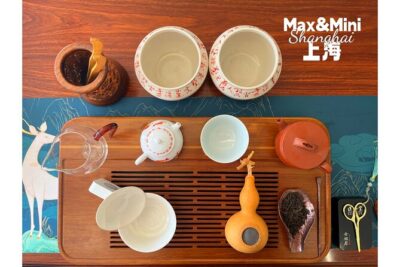
This workshop is also about atmosphere. The overview mentions tea and a relaxing break during the lesson, and the feedback repeatedly calls out a warm, friendly studio setting. That does not mean the class is slow all the time. It means you are given room to focus.
Two practical benefits come from this pacing. First, you get time to absorb instructions, then try again before moving on. Second, your shoulders and wrists get a chance to reset, which is important for ink techniques that rely on controlled movement.
Because the workshop runs in all weather, plan to dress for the conditions around the pickup and transfer. You will spend time outside at the start and end, but once you are in the studio, you can settle in and focus on the process.
Guides and teachers: translation support that makes the class click
In a private art class, your relationship with the instructor is everything. Here, communication support is part of the package, so you are not left guessing.
In feedback, Eric is mentioned as a translator who makes the experience possible by translating throughout the lesson, and Sunny is mentioned as a guide who stays friendly and helpful during the full class. Teachers such as Ms. Zhang and Ms. Chang are also mentioned in feedback, including patience with kids and clear explanations about brush use and material basics.
So what should you do with this information? Ask targeted questions. If you are curious about ink tone, stroke order, or why a certain brushwork looks balanced, ask. With a translator present, you can usually get direct answers instead of vague guidance. That turns your session into a real skill-building hour, not just a cultural activity.
What you take home, plus a smart way to bring it back
You take away a beautiful Chinese ink painting you created. That is explicitly part of the experience, and it is one of the most praised outcomes in feedback.
To keep your take-home piece in good shape on the way back, I recommend planning for transport. Bring a simple flat folder or protective sleeve in your day bag. If you are packing tightly, add a little extra space so the painting does not get bent during the ride from the studio and your return to your hotel.
Because hotel drop-off is not included, this is also where your plan matters. You will want an easy route back to your accommodation so you can safely store your artwork right away.
Price and value: what $118 buys you in Shanghai
At $118 per person, this workshop sits in the mid-to-higher range for short cultural activities. The key question is whether it delivers value. In this case, the value comes from three things that add up.
First, it is private, with just four people, so you get real attention from the teacher. Second, you have guide and translator support, which prevents wasted time and turns instruction into understanding. Third, you get genuine materials learning through the Four Treasures, plus a take-home finished painting.
There is also a scheduling reality to consider. It is described as booked on average about 10 days in advance, so you will often want to lock in your preferred time early, especially if you are traveling during busy seasons.
The drawback side is mostly about planning. No hotel drop-off means you have to manage your return. And since the experience is stated as non-refundable and cannot be changed for any reason, you should only book when your schedule is solid.
Who should book this workshop, and who might not love it
This is a great choice if you want hands-on Chinese culture in a format that is structured but not stiff. You do not need prior art experience. The workshop is described as suitable for most travelers, and the small group setup helps beginners keep up.
It is also a strong family option. Feedback highlights patience, including a teacher being kind and patient with kids. Just remember the rule: children must be accompanied by an adult.
You might want to skip or reconsider if you want a purely sightseeing experience, because the main value here is making art, not viewing a major landmark. Also, if you dislike any walking and transfers, factor in the pickup, the didi ride, and the fact that hotel drop-off is not included.
The good news is that it runs in all weather conditions, so you are less likely to lose your plan to rain. You still should dress comfortably for the ride and the studio environment.
Should you book it? My practical take
Book this workshop if you want a real skill you can practice, even after you leave Shanghai. The Shui Mo focus plus the Four Treasures framework means you are not just doing a craft, you are learning what makes ink painting work.
I would also book it if translation matters to you. With guide support that can include translators such as Eric or Sunny in past sessions, you can ask questions and understand the why behind the strokes. That kind of clarity is hard to recreate on your own.
Think twice if you cannot commit firmly to your timing. The experience is non-refundable and cannot be changed, and you will need a plan for getting back since hotel drop-off is not included.
If you like calm activities, small-group instruction, and a take-home piece that feels genuinely made by you, this is the kind of class that earns its place on a Shanghai itinerary.
FAQ
How long is the Chinese ink and brush painting workshop?
The duration is about 2 hours. It is also described as lasting two to three hours.
Is the workshop private or shared with strangers?
It is a private tour or activity. Only your group participates, and it is described as a private class for four people.
Do they pick me up from my hotel?
Yes. You can be collected from your downtown Shanghai location, and downtown hotel pick-up is included.
How do I get from downtown Shanghai to the workshop?
A local didi transfer to the art workshop is included.
Is hotel drop-off included at the end?
No. Hotel drop-off is not included.
What will I learn during the lesson?
You’ll learn traditional Chinese ink and brush painting basics, including the Four Treasures: ink, brushes, paper, and the ink stone, plus brush strokes and techniques using Shui Mo on rice paper.
What painting style is taught?
The workshop focuses on Shui Mo, water and ink painting on rice paper, using a brush dipped in ink and water.
Can children participate?
Children must be accompanied by an adult.
What is the cancellation policy?
The experience is non-refundable and cannot be changed for any reason. If you cancel or ask for an amendment, the amount you paid will not be refunded.
Does it run in bad weather?
Yes. It operates in all weather conditions. You should dress appropriately.
More Workshops in Shanghai

More Private in Shanghai



More Tour Reviews in Shanghai


Shanghai, reviewed one booking at a time
- Zhujiajiao Water Town and Shanghai City Highlights Private Day Tour
★ 5.0 · 3 reviews - Zhujiajiao Water Town Private Tour with Local Farm Visit and Fruit Picking
★ 5.0 · 3 reviews - Tongli Water Town Self-Guided Tour with Private Transfer from Shanghai
★ 5.0 · 3 reviews - Shanghai by Night with Fine Local Dinner and VIP River Cruise Experiences
★ 5.0 · 3 reviews - Shanghai Acrobatic Show Tickets
★ 5.0 · 3 reviews - Private Shanghai Layover Tour to Zhaojialou Water Town with Lunch or Dinner
★ 5.0 · 3 reviews
Workshops, compared.
 ★ 5.0Half-Day Chengdu Cooking Class with a Local Market VisitFrom $90465 reviews
 ★ 4.9Beijing Calligraphy ClassFrom $20112 reviews
 ★ 5.0Chinese Calligraphy Class for Small GroupFrom $20104 reviews
 ★ 4.7Beijing: Dumpling Making Workshop with Meal and TeaFrom $3569 reviews
 ★ 5.0Online Cooking Class Beijing Dumplings and Cuisine by Sunflowerli Renowned ChefFrom $2065 reviews
 ★ 5.0Beijing Wangfujing Calligraphy Class by Forbidden CityFrom $2058 reviews
 ★ 5.0Beijing Wangfujing Calligraphy Class Nearby Forbidden CityFrom $3556 reviews
 ★ 4.8Chinese Kungfu class in old temple beside Forbidden CiFrom $4553 reviews
Browse the lists this tour appears in