
REVIEW · COOKING CLASSES
Biang Biang Noodles Cooking Experience
Noodles demand a little muscle. This Xi’an experience pairs a morning market stroll with a real cooking lesson in Biang Biang Noodles. I love the market grounding, and I also love learning the technique behind pulling the noodles. The only real drawback is that the dough work takes effort, and you’ll be handling hot food during assembly.
You’ll meet your guide, often Michael, at Sa Jin Qiao Subway Station (Line 1, Exit B) and head out to a working local market where ingredients and spices are part of everyday life. Then you shift gears to a quiet private courtyard near the City Wall for green tea, a calmer pace, and the satisfaction of eating what you made.
Because the class includes boiling and hot oil, this isn’t the sort of cooking tour for people who want to stand back and watch the whole time. If you’re up for getting your hands a bit floury and moving with confidence, it’s a great way to experience Xi’an food culture close-up.
In This Review
- Key highlights you should care about
- Market Mission at Sa Jin Qiao, where ingredients tell the story
- The Green Tea Courtyard Stop near the City Wall
- Building Biang Biang Noodles from flour dough to long strips
- Boiling, saucing, and the hot oil assembly that makes it all click
- Price and value: $75 for a small-group Xi’an cooking class
- Logistics that actually matter on the day you cook
- Who should book this Biang Biang Noodles experience
- Should you book this Biang Biang Noodles cooking tour?
- FAQ
- Where is the meeting point for the Biang Biang Noodles cooking experience?
- How long does the tour last?
- What is included in the $75 price?
- Is private transportation included?
- What will I learn and cook during the class?
- What is the cancellation window?
Key highlights you should care about
- Market shopping first, so you learn what you’re actually cooking, not just how to cook it
- Pulling-thin noodles technique, the step that makes Biang Biang Noodles famous
- Courtyard break by the City Wall area, with green tea to reset your pace
- A finished bowl with sauce and hot oil, served right after your work
- Recipe plus a certificate to take home, useful for recreating it later
- Small group limit of 8, so your guide can help without rushing
Other Xian trips our reviewers kept returning to
- Half-Day Xi’an Biang Biang Noodles Cooking with a Market Visit★ 5.0 · 48 reviews
- Private Home Cooking Class:Dumpling Cooking Class Tour in Xi’an★ 5.0 · 7 reviews
Market Mission at Sa Jin Qiao, where ingredients tell the story
The tour starts at Sa Jin Qiao Subway Station, Line 1, Exit B, at your assigned time. This matters because it keeps the day simple. You’re not trying to figure out a complicated pickup, and you can arrive via public transit with less hassle.
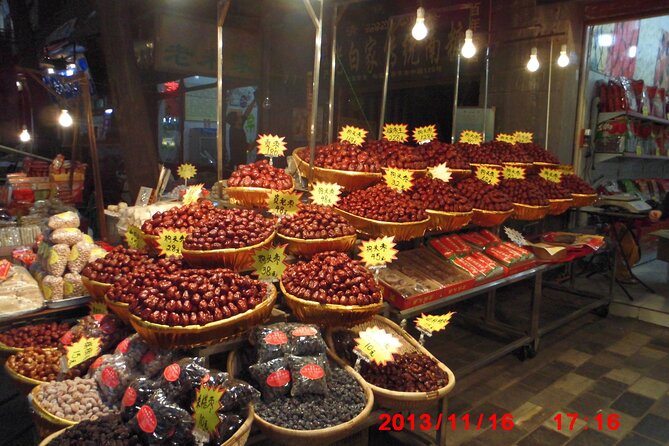
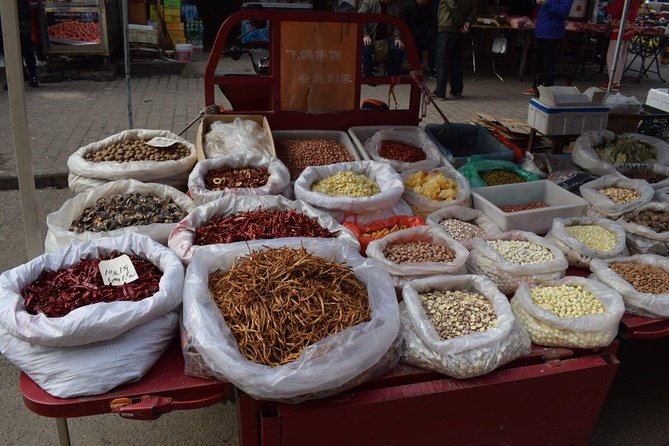
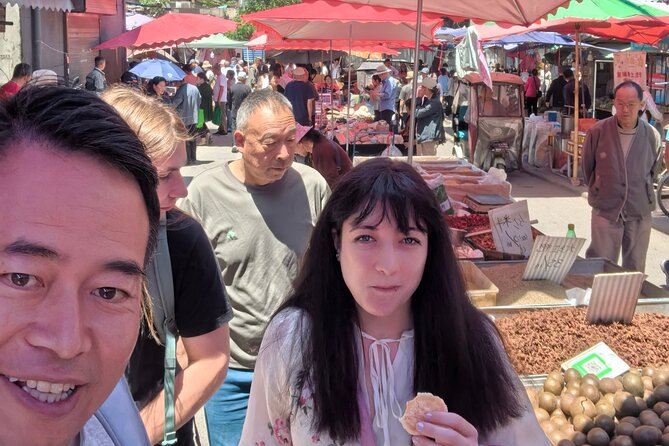
From there, you head into a local market where everyday food supplies are displayed in practical ways. Think vegetables and seasoning items stacked for quick buying, spices stored in older-style bags, and fresh meats hanging where people can see and choose. It’s not a staged “tour market.” You get the feel of how local cooks actually shop.
I like this portion because it gives you context before you start mixing dough. When you know what you’re looking at, you cook with intention instead of guessing. You also get a quick education in ingredients and common utensils used in Chinese home cooking.
One more practical thing: markets are naturally fast-paced. If you want photos, you’ll get them, but keep your eyes open for the guide’s cues about where to stand and what to watch. The best value is learning which items matter for the noodle experience, not trying to photograph every stall.
The Green Tea Courtyard Stop near the City Wall
After the market, the pace slows. You go to a quiet private courtyard nearby the City Wall, where the setting feels more restful than the street-level activity you just left.
This courtyard moment is more than a nice pause. It gives you a clean mental transition from shopping mode into cooking mode. You’ll be welcomed by staff and served a cup of fresh green tea, which is a great “reset” before you start working with dough.
Why I think this stop works: it helps you actually enjoy the class. If you jump straight from a loud market to cooking without a breathing space, you end up rushing. With tea and calm surroundings, you can focus on technique, especially the parts that require attention and hand strength.
Building Biang Biang Noodles from flour dough to long strips
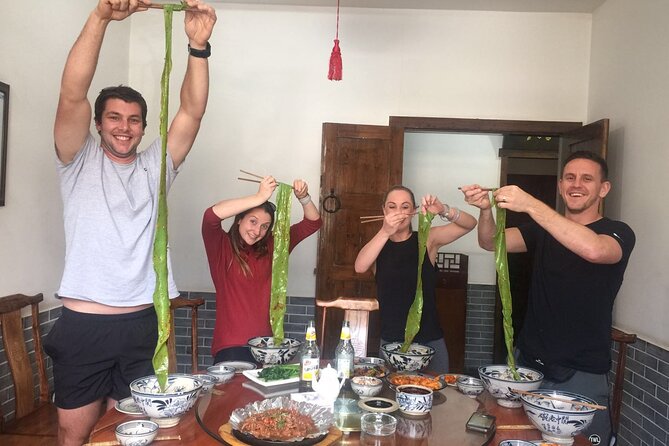
Now you get to the core experience. You’ll learn how to make the noodle dough, pull the strips into long, thin noodles, and then finish the bowl with sauce and hot oil.
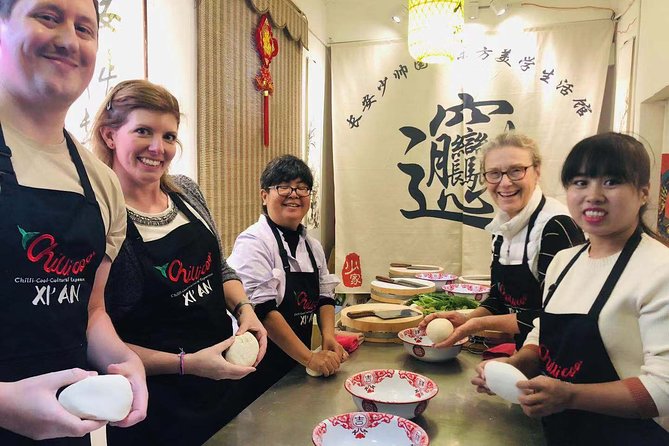
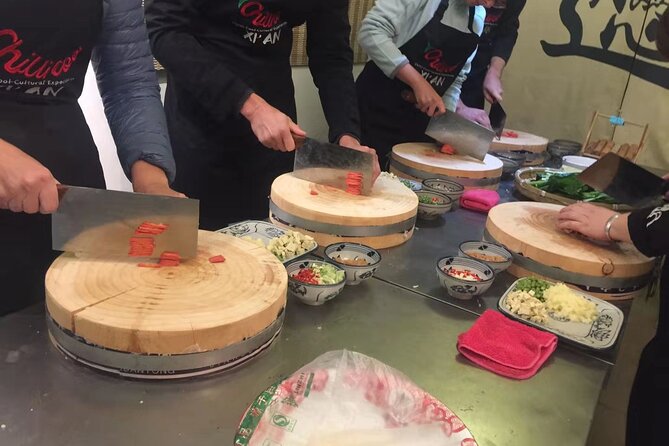
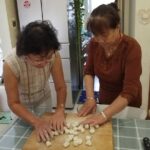
First comes the dough. You mix water and flour using a specific ratio, then press and shape the dough into a round, flat form. You cut it into strips, and then you reach the step that makes Biang Biang Noodles what it is: pulling the strips into long thin noodles.
This is the part where you feel the name of the game. It requires strength and technique, not just stirring and waiting. Your guide will help you with what to do, but your job is to try, adjust, and keep going until the noodles are ready for boiling.
I like this teaching style because it’s skill-based. Instead of just tasting the result, you learn how the dough behaves. You start to understand why the noodles have that distinct chewy feel, and why the pulling matters.
A word of realism: don’t expect it to be perfect on your first try. If your noodle thickness is uneven, you’re still participating in the same process local cooks do. The payoff is that you end up with noodles you can genuinely taste and compare to what you expected.
Boiling, saucing, and the hot oil assembly that makes it all click
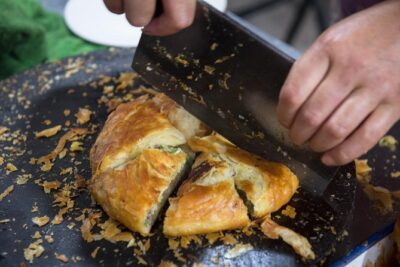
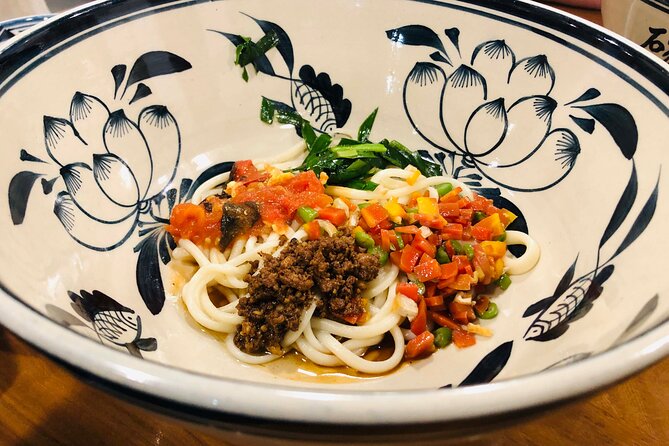
Once your noodles are pulled, you boil them. Then you cover them with prepared sauces and finish by pouring hot oil over the bowl.
This sequence is practical and memorable. You see the cause-and-effect right away. The sauces coat the noodles, and then the hot oil brings the flavors forward quickly. Even if you don’t remember every ingredient afterward, you’ll remember the moment the bowl turns aromatic and ready.
When it’s time to eat, you get to enjoy what you made. And yes, it can feel very satisfying. Biang Biang Noodles are hearty by nature, and doing the work makes you appreciate the texture even more.
After the meal, you’ll be served fruits or local snacks as dessert. It’s a nice end to a class that uses a lot of your energy. It also keeps the tour moving without turning it into a long, food-only stretch.

Price and value: $75 for a small-group Xi’an cooking class
At $75 per person, this is positioned as a hands-on food experience rather than a casual meal. The value is strongest if you want more than dinner.
Here’s what you’re getting for the price:
- Lunch or dinner, depending on the option you choose
- English-speaking guide service fee
- Snacks, plus tea and dessert (fruits or local snacks)
- A true cooking class that includes dough, noodle pulling, sauces, and assembly
- Recipe for your dish and a certificate issued by the tour
Also, the group is capped at 8 travelers. That small number matters because it supports real coaching. You’re more likely to get help when your noodle pulling needs a tweak, and you’re less likely to feel like a seat-filler in a production line.
What’s not included is private transportation. That’s fine because you meet at a subway stop, but it means you should plan your own transit to Sa Jin Qiao (Line 1, Exit B). If you’re staying far away, check routes in advance so you don’t lose time before the class.
Lastly, the tour is commonly booked about 55 days in advance on average. That doesn’t mean you must book instantly, but it does suggest demand for small-group cooking sessions. If your dates are firm, don’t wait until the last week.
Logistics that actually matter on the day you cook
This tour is designed around public transit and a simple start-stop pattern. You meet at the subway exit, you cook, you eat, and it ends back at the meeting point. That’s helpful when your Xi’an schedule is already full.
Plan to arrive a little early. Not because the tour needs extra time, but because markets and subway areas can be busy, and you’ll want a stress-free moment to locate your guide and get oriented.
Wear something you don’t mind getting a bit messy. You’ll be working with dough, and even if you keep your hands tidy, flour happens. Also, keep water handy, especially if you’re doing the class earlier in the day.
If you’re sensitive to strong smells, hot oil, or kitchen steam, this tour is still worth considering, but go in with awareness. The hot oil step is brief but real, and the aroma is part of the flavor payoff.
Who should book this Biang Biang Noodles experience
This is a great fit if:
- You want a hands-on Xi’an food class, not just a tasting
- You enjoy market time as part of the experience, seeing ingredients before cooking
- You like small groups where a guide can correct your technique
- You want a practical takeaway, meaning the recipe and certificate you can use after your trip
It might be less ideal if:
- You dislike cooking with your hands or don’t want to handle hot food at all
- You’re mainly seeking sightseeing landmarks and expect lots of walking outdoors
- You’re short on time and need a very fast activity (this is about 3 hours 30 minutes)
Should you book this Biang Biang Noodles cooking tour?
I’d book it if you’re the type of traveler who wants one solid, memorable “do it yourself” moment in Xi’an. The mix of market context, a calm courtyard break with green tea, and the step-by-step noodle pulling makes it feel earned. You’re not only eating a famous dish, you’re learning how it becomes a dish.
I wouldn’t book it only if you’re looking for a low-effort experience or you’d rather skip hands-on cooking. The effort is part of the point here. If you accept that, you’ll leave with both a full stomach and a skill you can recreate.
If your dates are available, this is one of those tours that offers strong value for the time because it compresses shopping, cooking, and eating into one well-paced morning or evening block.
FAQ
Where is the meeting point for the Biang Biang Noodles cooking experience?
You meet your local expert at Sa Jin Qiao Subway Station, Exit B of Line 1, at the assigned time.
How long does the tour last?
The experience runs for about 3 hours 30 minutes.
What is included in the $75 price?
The price includes lunch or dinner (depending on your option), the English-speaking guide service fee, and snacks. Tea and dessert are also part of the experience.
Is private transportation included?
No, private transportation is not included. The tour is near public transportation, and you meet at the subway exit.
What will I learn and cook during the class?
You will learn to make flour dough, press and cut it into strips, pull the strips into long thin noodles, and make the sauces and assemble the bowl with sauce and hot oil.
What is the cancellation window?
You can cancel for a full refund if you cancel at least 24 hours before the experience’s start time. Free cancellation is offered, and changes within 24 hours of the start time are not accepted.
More Cooking Classes in Xian
More Tour Reviews in Xian
- Mini Group Xian Day Tour to Terracotta Army, City Wall, Pagoda and Muslim Bazaar
★ 5.0 · 1,320 reviews

Xian, reviewed one booking at a time
- Xian Group Tour: Terracotta Army, Big Wild Goose Pagoda,City Wall
★ 5.0 · 3 reviews - Xi’an Silk Road Legend Musical with round-trip transfer
★ 5.0 · 3 reviews - Day Trip to Hukou Waterfall and Huangdi Mausoleum
★ 5.0 · 3 reviews - Private Day Tour of Terracotta Warriors,Cave House and Han Yangling Mausoleum
★ 5.0 · 3 reviews - Huaqing Palace Adult Ticket[Direct Subway Access]
★ 5.0 · 3 reviews - Xi’an: Morning Terracotta Army Tour with Local Family Lunch
★ 5.0 · 3 reviews
Cooking Classes, compared.
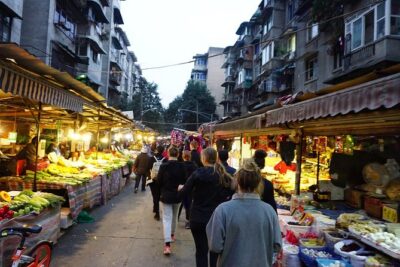 ★ 5.0Half-Day Chengdu Cooking Class with a Local Market VisitFrom $90465 reviews
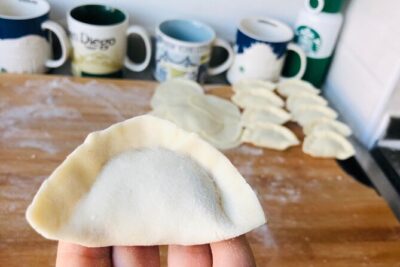 ★ 5.0Online Cooking Class Beijing Dumplings and Cuisine by Sunflowerli Renowned ChefFrom $2065 reviews
 ★ 5.0Lijiang Naxi Cuisine Cooking Class & Market VisitFrom $5948 reviews
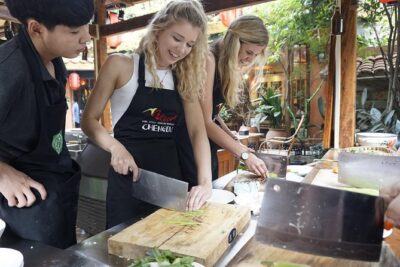 ★ 5.0Half-Day Xi’an Biang Biang Noodles Cooking with a Market VisitFrom $7548 reviews
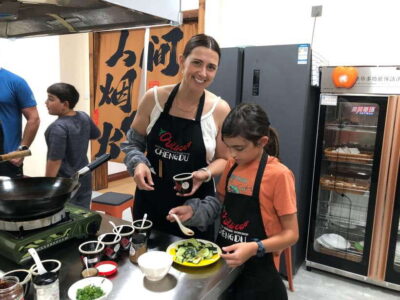 ★ 5.0Chengdu: Cooking Class with Fresh Market Half Day ExperienceFrom $8242 reviews
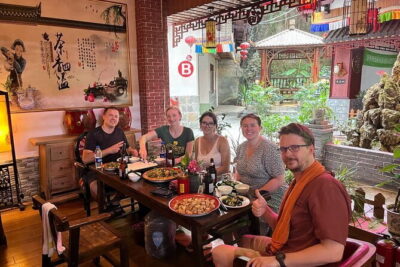 ★ 5.0Yangshuo Cooking Class with Market TripFrom $4540 reviews
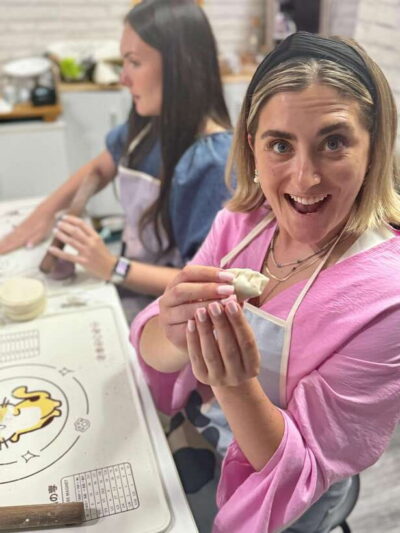 ★ 4.9Shanghai-Cooking Dumpling & Meal in Local Family-w/VeganFrom $8236 reviews
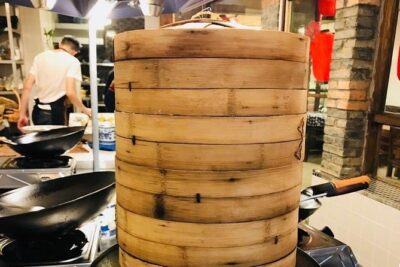 ★ 5.0Half-Day steamed Buns Cooking Class with a Local Market VisitFrom $8026 reviews
Browse the lists this tour appears in