
REVIEW · WORKSHOPS
Shanghai: Hands-on Incense Tablet Making Class
Incense tablets are small, but the learning is big. In Shanghai, this hands-on class turns China’s 2,000-year incense culture into something you can actually shape, smell, and take home. I love the practical crafting flow, from mixing natural ingredients to pressing carved molds, and I love that your finished piece is meant for long use, not just a one-time photo prop.
One thing to consider is that there is no hotel pickup, and the exact meeting details come by WhatsApp after you book.
What to Expect From the Class
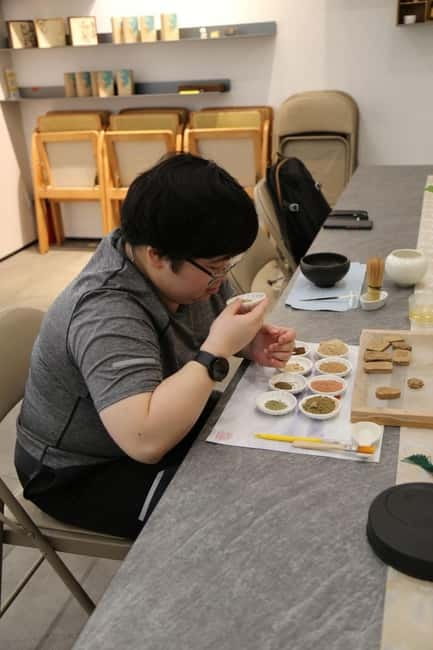
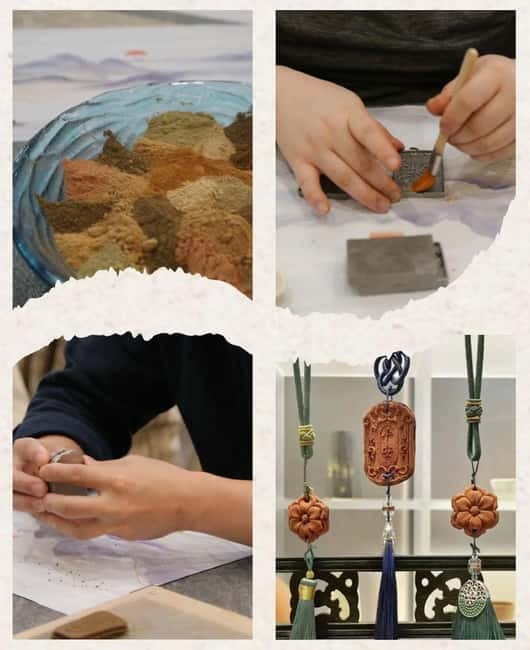
The structure is simple: you start with a quick cultural intro to how incense fragrances like sandalwood, musk, and amber have been used in rituals, medicine, and everyday life. Then you get to work, with a guided session where you knead the fragrant clay into a smooth texture, press it into intricately carved molds, and refine the edges for a polished finish. You also personalize your tablet with decorative cords or beads, so the end result feels like yours.
Hands-on doesn’t mean rushed. This experience is designed for all skill levels, including beginners, and it is taught by an instructor described as connected to traditional incense craft, so you learn techniques rather than just following steps. The only real drawback is timing: you’ll want to plan around a 1.5 hour session and allow time after the class for your incense tablet to fully dry if you want the aroma to settle.
In This Review
- Key Highlights Worth Your Time
- Shanghai Incense Tablet Making: Small Object, Big Cultural Texture
- The 90-Minute Workshop Flow You Will Actually Do
- Step 1: Mixing fragrant clay and oils
- Step 2: Kneading until smooth
- Step 3: Pressing carved molds with care
- Step 4: Refining edges for a polished finish
- Step 5: Personalization with cords or beads
- Eco-Friendly Craft: What Natural Ingredients Mean for Your Tablet
- Symbols You Can Actually Hold: Bats, Lotus Flowers, and Zodiac Animals
- Personalization That Turns Craft Into Keepsake
- Your Incense Tablet in Real Life: Where the Scent Fits
- Tea Tasting and Photos: Why the Extras Make Sense
- Price and Value: Is $78 Worth 1.5 Hours?
- Logistics That Matter in Shanghai: Yellow Historic Villa and WhatsApp Details
- Instructor Languages and Group Style
- Who This Incense Tablet Workshop Is Perfect For
- Should You Book This Incense Tablet Making Class?
- FAQ
- How long is the Shanghai incense tablet making class?
- What does it cost per person?
- What is included in the price?
- Where do I meet, and how do I get the address?
- Is hotel pickup or drop-off included?
- What languages does the instructor speak?
- Is the workshop wheelchair accessible?
- Can I cancel, and do I pay when I book?
Key Highlights Worth Your Time
- Symbol-based molds featuring lucky bats, purity lotus flowers, and zodiac animals
- Eco-friendly materials made with natural ingredients and plant-based essential oils, free from synthetic additives
- Tea tasting paired with a short introduction to incense culture and fragrance roles in daily life
- Take-home value in an elegant gift box, plus experience photos to remember the process
- Calming end result meant to emit a subtle fragrance for years, usable as a car pendant, wardrobe sachet, or charm
Other Shanghai trips our reviewers kept returning to
- 2-Hour Private Chinese Ink and Brush Painting Workshop in Shanghai★ 5.0 · 15 reviews
- Private Home Cooking Class with Shanghai Mama★ 5.0 · 14 reviews
- Unlock Chinese Tea: Culture, Science, Tasting & Hands-on Brewing★ 5.0 · 12 reviews
- 2.5hrs Chinese Kitchen Cooking Class: Xiaolongbao Soup Dumplings★ 5.0 · 12 reviews
Shanghai Incense Tablet Making: Small Object, Big Cultural Texture
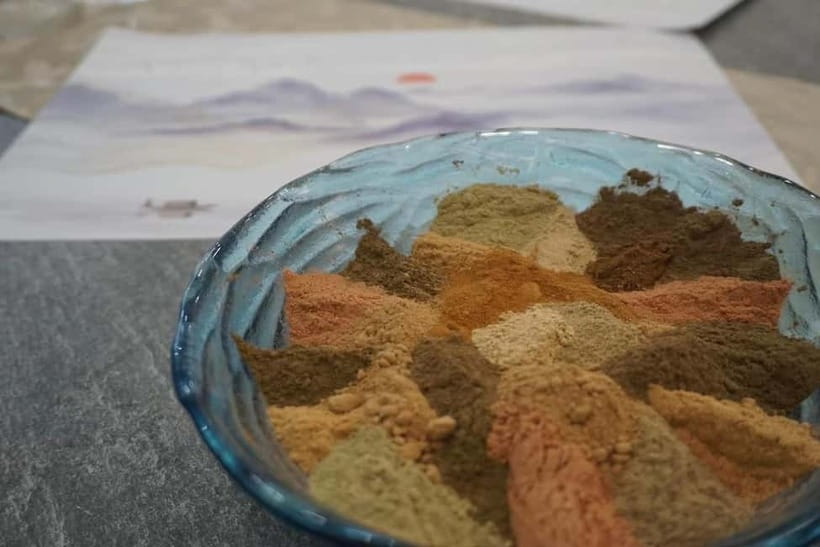
This is the kind of activity that gives you a quiet, tangible way to understand a cultural tradition. Instead of only looking at incense in a shop or watching it from a distance, you learn the basic logic behind the craft: natural ingredients are mixed with plant-based essential oils, shaped with intentional symbols, and finished so the scent can last. You leave with a piece you can carry, hang up, and use.
The cultural intro helps you connect the smell to meaning. You’ll hear how incense culture spans around 2,000 years, and how fragrances have historically been used for rituals, medicine, and daily life. That context matters, because when you later press a mold with a symbol like a bat or lotus, you’re not just making decoration. You’re making something that is part of an old visual language.
The 90-Minute Workshop Flow You Will Actually Do
The class runs about 1.5 hours, and the pace is built for focus. You start with a cultural introduction, then move straight into material prep and hands-on crafting. The goal is not artistic talent. The goal is correct technique and a finished incense tablet that looks neat and smells right.
Step 1: Mixing fragrant clay and oils
You’ll mix natural ingredients and plant-based essential oils using traditional ratios. That’s not a random detail. Ratios affect how the clay holds together and how the scent develops as it dries. Even if you do not think about chemistry while you work, your tablet will reflect that structure in the final result.
Step 2: Kneading until smooth
Next comes kneading the fragrant clay into a smooth texture. This is where the class feels relaxing. The instructor guides you so you’re not guessing how firm to make the texture. When the clay feels right, it presses cleanly into molds.




Step 3: Pressing carved molds with care
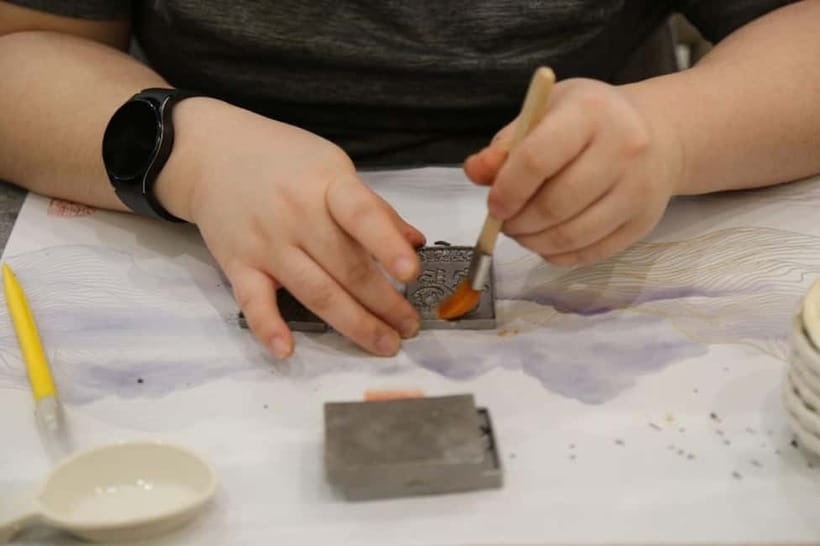
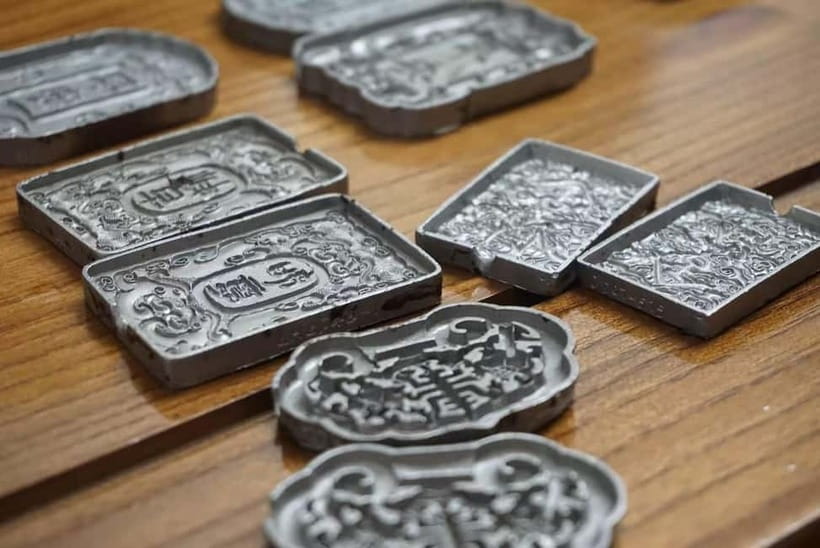
Then you press the clay into intricately carved molds. These molds include meaningful symbols such as lucky bats, lotus flowers for purity, and zodiac animals. The emphasis is on using the right technique and pressure, because carved detail only shows if your clay fills the shape properly.
Step 4: Refining edges for a polished finish
After molding, you refine the edges. This small step makes a big difference in how your finished tablet looks. It’s the difference between something that looks handmade in a charming way and something that looks unfinished.
Step 5: Personalization with cords or beads
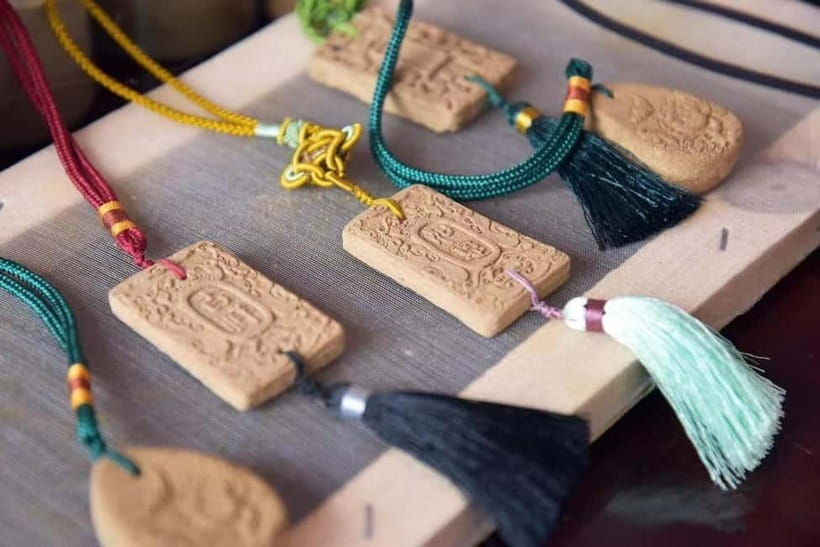
You can also customize your tablet with decorative cords or beads. That turns the molded shape into something you can attach to a bag, a pendant, or a charm display. It’s a simple choice, but it makes your final item feel personal instead of generic.
Eco-Friendly Craft: What Natural Ingredients Mean for Your Tablet
One of the best parts of this class is the clear focus on materials. You’re working with eco-friendly components and eco-minded craftsmanship, using materials described as free from synthetic additives. You’ll mix natural ingredients and plant-based essential oils rather than fragrance oils with unknown additives.
Why you should care: when you’re making something intended to emit a subtle calming aroma for years, your materials matter. Natural ingredients are often what people want when they want scent they can live with, not just smell once. If you’re interested in wellness themes or traditional Chinese medicine ideas, this material approach helps the activity feel aligned with that interest.
Symbols You Can Actually Hold: Bats, Lotus Flowers, and Zodiac Animals
The molds are more than a craft gimmick. They bring the tradition into a form you can keep. Lucky bats are a common motif associated with good fortune. Lotus imagery connects to purity symbolism. Zodiac animals add a personal, time-linked element.
When you press these shapes yourself, you learn how symbol becomes object. It also helps if you like gift ideas that are not generic. A molded tablet with a meaningful symbol reads like thought went into the choice, even if it is still a simple souvenir.
Personalization That Turns Craft Into Keepsake
Most classes end with a finished thing you set aside. This one gives you a way to finish with style. You choose decorative cords or beads to customize your tablet. That step makes your piece ready to hang, carry, or gift right away.
The class also includes an elegant souvenir gift box for your take-home creation. Packaging sounds like a small deal until you realize it keeps your tablet safe and presentable. It also makes it easier to bring home without turning your trip bag into a scent cloud or a fragile-item nightmare.
Your Incense Tablet in Real Life: Where the Scent Fits
This is not just a craft souvenir. Your incense tablet is designed to emit a subtle, calming aroma for years once it has dried. The use ideas provided are practical and match how people actually keep incense nearby:
- Car pendant use
- Wardrobe sachet use
- Decorative charm use
If you like the idea of scent as atmosphere, this gives you a low-effort way to do it. You do not need matches, burners, or a special ritual area. You just place or hang your tablet where you want the gentle fragrance to drift.
One note: the most stable scent experience usually comes after drying. So if you are the type who wants to smell it right away, manage expectations. Still, even a mild first scent can be part of the charm, because you made it.
Tea Tasting and Photos: Why the Extras Make Sense
A good workshop should not just sell you materials. This one adds experiences that fit the theme. Tea tasting pairs naturally with incense culture, because both are about everyday mindful rituals. Even if you are not a tea expert, it helps the class feel like a complete cultural moment rather than a quick craft stop.
Then there are experience photos, which matters more than you might think. In a small workshop, it is hard to get photos of what you are doing without another person stepping in. The included photos help you document the process and the finished tablet, especially if you want to share or simply remember the details later.
Price and Value: Is $78 Worth 1.5 Hours?
At $78 per person for about 1.5 hours, you are paying for more than a souvenir. You are paying for guided instruction, materials, tea tasting, souvenir packaging, and experience photos. That bundle is the real value, because incense-making supplies and a knowledgeable instructor time cost something, even in smaller workshop settings.
The longer-term value is in the outcome: your tablet is made to emit aroma for years and is usable in daily life, not just a display item. If you’ve ever bought a cultural souvenir that looks nice but gets forgotten, this kind of craft has a better chance of becoming something you actually use.
Is it expensive? It depends on your travel style. If you only want the cheapest possible activity, this is not that. If you want a hands-on experience with a take-home item that has practical use, it reads as good value.
Logistics That Matter in Shanghai: Yellow Historic Villa and WhatsApp Details
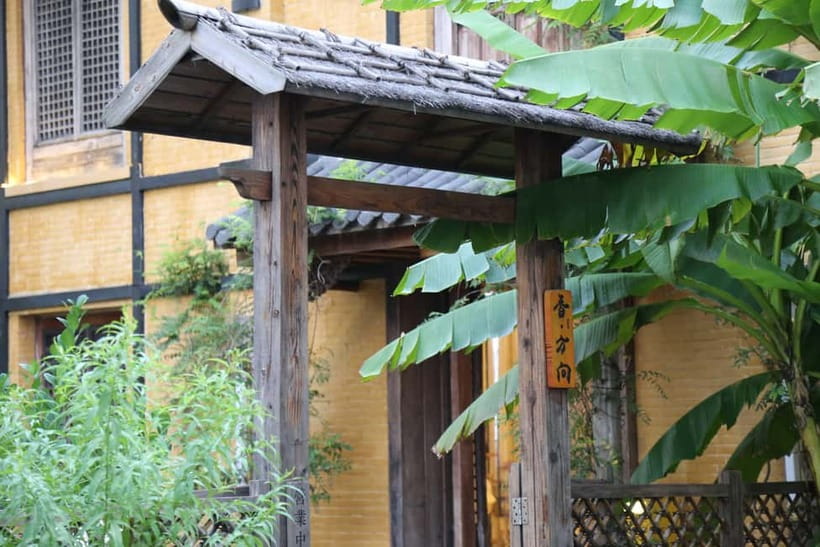
The meeting point is described as the yellow historic villa, and the exact address and meeting details are sent via WhatsApp after booking confirmation. You should treat that as normal, but plan for it. Have your WhatsApp ready, and check messages once you book.
Pickup and drop-off from your hotel are not included. So you’ll need to make your own way there. The class does include skip-the-line entry through a separate entrance, which helps you start faster once you arrive.
It’s also a private group experience. That often makes the workshop feel more relaxed, especially when you are learning pressure techniques for molding and fine edge finishing.
Instructor Languages and Group Style
The instructor supports multiple languages, including English, Chinese, Korean, and Japanese. That matters because incense culture and craft technique have nuances. When you can ask questions and follow instructions easily, you get better results.
The experience is also wheelchair accessible, and the group is described as private. If you’re traveling with friends, a family unit, or a small team, a private format can feel calmer than big shared groups.
Who This Incense Tablet Workshop Is Perfect For
This workshop suits several types of travelers, and it doesn’t require art skills.
- Beginners and first-time crafters: you’ll be guided through kneading, molding, and finishing
- People who want a cultural activity that connects meaning to making
- Families or teams looking for collaborative fun in a controlled setting
- Wellness-minded travelers who like traditional scent and herbal culture themes
If you’re the type who enjoys objects with stories, you’ll like the symbol-driven molds and the idea that you’re making something to use for years. If you’re allergic to strong smells, you should be cautious, because you will be working with fragrant clay and essential oils.
Should You Book This Incense Tablet Making Class?
Yes, if you want a hands-on Shanghai experience that is creative, structured, and useful after the class ends. The biggest reason to book is that you’re not just learning about incense. You are shaping an actual incense tablet with eco-friendly materials, symbol molds, and personalization options, then taking it home in a gift box with photos.
I would skip it only if you dislike scented activities, or if you need a low-mobility logistics plan with hotel pickup. Otherwise, for most visitors, it is a strong use of 1.5 hours, especially if you like cultural crafts you can bring back and keep using.
FAQ
How long is the Shanghai incense tablet making class?
The class lasts about 1.5 hours.
What does it cost per person?
The price is $78 per person.
What is included in the price?
You get all materials, tea tasting, souvenir packaging, experience photos, and WhatsApp customer service.
Where do I meet, and how do I get the address?
Meet at the yellow historic villa. The exact address and meeting details are sent to you via WhatsApp after you book.
Is hotel pickup or drop-off included?
No, pick up or drop off service from your hotel is not included.
What languages does the instructor speak?
The instructor supports English, Chinese, Korean, and Japanese.
Is the workshop wheelchair accessible?
Yes, the workshop is wheelchair accessible.
Can I cancel, and do I pay when I book?
You can cancel up to 24 hours in advance for a full refund. You can also reserve now and pay later, meaning you can book without paying today.
More Workshops in Shanghai



More Tour Reviews in Shanghai





Shanghai, reviewed one booking at a time
- Zhujiajiao Water Town and Shanghai City Highlights Private Day Tour
★ 5.0 · 3 reviews - Zhujiajiao Water Town Private Tour with Local Farm Visit and Fruit Picking
★ 5.0 · 3 reviews - Tongli Water Town Self-Guided Tour with Private Transfer from Shanghai
★ 5.0 · 3 reviews - Shanghai by Night with Fine Local Dinner and VIP River Cruise Experiences
★ 5.0 · 3 reviews - Shanghai Acrobatic Show Tickets
★ 5.0 · 3 reviews - Private Shanghai Layover Tour to Zhaojialou Water Town with Lunch or Dinner
★ 5.0 · 3 reviews
Workshops, compared.
 ★ 5.0Half-Day Chengdu Cooking Class with a Local Market VisitFrom $90465 reviews
 ★ 4.9Beijing Calligraphy ClassFrom $20112 reviews
 ★ 5.0Chinese Calligraphy Class for Small GroupFrom $20104 reviews
 ★ 4.7Beijing: Dumpling Making Workshop with Meal and TeaFrom $3569 reviews
 ★ 5.0Online Cooking Class Beijing Dumplings and Cuisine by Sunflowerli Renowned ChefFrom $2065 reviews
 ★ 5.0Beijing Wangfujing Calligraphy Class by Forbidden CityFrom $2058 reviews
 ★ 5.0Beijing Wangfujing Calligraphy Class Nearby Forbidden CityFrom $3556 reviews
 ★ 4.8Chinese Kungfu class in old temple beside Forbidden CiFrom $4553 reviews
Browse the lists this tour appears in