
REVIEW · WORKSHOPS
Half-Day Sichuan Cooking Class Experience in Chengdu
Wok heat meets clear guidance. What makes this half-day Sichuan cooking class in Chengdu worth your time is the small group setup and the fact that you get take-home recipe cards along with dinner. It is the kind of class where you cook, you eat, and you leave with a real shot at repeating the dishes at home.
You will typically start with basic technique and Sichuan flavor logic, then move into making a set of classic dishes. Expect a guided, local-chef experience focused on practical steps, not just watching from the sidelines.
One thing to consider: English support can vary. The tour notes a local English-speaking chef, but some sessions may rely on a helper or simpler explanations, so if you want deep theory behind every ingredient, you might want to ask more questions during class.
In This Review
- Key things that make this class click
- The real appeal of a half-day Sichuan class in Chengdu
- Getting there: 4:00 pm pickup and what it means for your day
- The kitchen setup: school, hostel, or chef home
- What you cook: four classics and a flavor map
- Requesting your own dish
- The lesson style: techniques first, then you do the work
- The market element: when your class goes beyond the stove
- Dinner at the end: why eating matters
- English, helpers, and how to get the most from the instruction
- Price and value: is $83.99 worth it?
- Who this Sichuan cooking class suits best
- Should you book this Chengdu cooking class?
- FAQ
- What time does the half-day Sichuan cooking class start?
- How long is the cooking class in Chengdu?
- Is hotel pickup and drop-off included?
- Is dinner included?
- How many people are in the group?
- What dishes will I cook?
- Can I request a dish that is not on the menu?
- Is the class taught in English?
- What ticket method is used?
- What is the cancellation policy?
Key things that make this class click
- Small group, up to 5 people, so you are not lost in the crowd
- Hotel pickup and drop-off, which is a big deal in Chengdu traffic time
- Hands-on Sichuan dishes that you eat right after cooking
- Dish customization request, submit a special request and the chef will try to accommodate
- Sichuan spice and technique focus, not just a recipe recital
- Recipe cards to take home, so your notes survive your jet lag
Other Chengdu trips our reviewers kept returning to
- Half-Day Chengdu Cooking Class with a Local Market Visit★ 5.0 · 465 reviews
- Chengdu: Cooking Class with Fresh Market Half Day Experience★ 5.0 · 42 reviews
- Half-Day steamed Buns Cooking Class with a Local Market Visit★ 5.0 · 26 reviews
- Half-Day Professional Mapo Tofu Cooking with a Local Market Visit★ 5.0 · 19 reviews
The real appeal of a half-day Sichuan class in Chengdu
Chengdu is famous for flavor, and Sichuan cuisine is where that reputation gets earned. This class works because it keeps things practical. You learn the techniques behind dishes like Kung Pao chicken and dumplings, then you sit down and eat what you made.
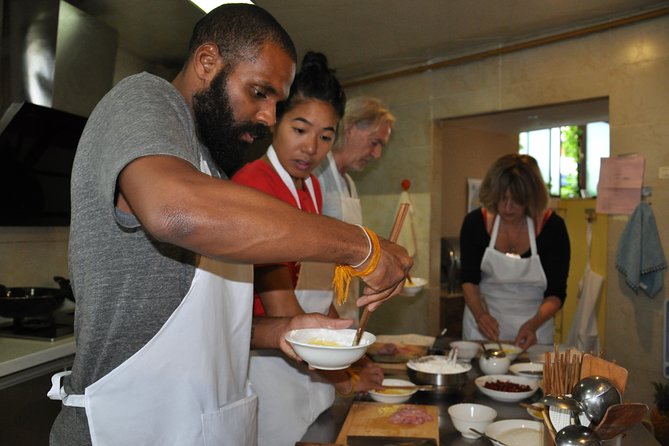
I especially like that the class is designed for personal attention. With a maximum of 5 travelers, it is easier to ask questions while your wok is still hot. You are not hoping someone notices you when you mess up a dumpling fold or forget a timing step.
The other big win is the take-home recipes. Cooking classes can turn into souvenir-only events. Here, you get recipe cards meant to help you recreate the dishes later, which makes the time feel less like entertainment and more like a useful skill.
Getting there: 4:00 pm pickup and what it means for your day
This specific class starts at 4:00 pm and runs about 4 hours. That timing is handy. You can sleep in, handle lunch on your own pace, then still have a full evening after your dinner.
Hotel pickup and drop-off are included, which helps you avoid the common China pain point of figuring out where a cooking school is tucked away. The tour also uses a mobile ticket, and it is near public transportation, so you should have options if your pickup timing changes.
One useful detail: class duration can vary depending on participant numbers. In small groups, you often get a smoother pace, but it is still normal for the schedule to flex slightly.
The kitchen setup: school, hostel, or chef home
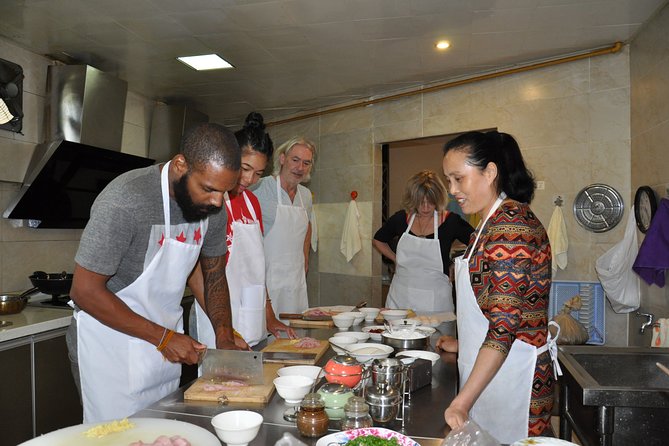
In theory, you head to an established cooking school. In practice, the learning space can be more local than fancy. Based on past experiences, classes may run from a working kitchen tied to a hostel, a family-run cafe, or even the chef home, depending on the day and group size.
What matters for you is the vibe. These are not show kitchens built for photos. They are working spaces, so you should expect a bit of cramped choreography. Some kitchens are small enough that you will feel the closeness while you cook, but that is also part of why the instruction can feel direct.
If you prefer a wide-open, stage-like layout with lots of standing room, you might feel more comfortable in a larger cooking school. If you like getting hands on quickly, the smaller kitchen can be a plus.
What you cook: four classics and a flavor map
The standard dishes listed for this class give you a well-rounded Sichuan sampler. The menu typically includes:
- Kung Pao chicken
- Sweet and sour pork
- Fish-flavored eggplant
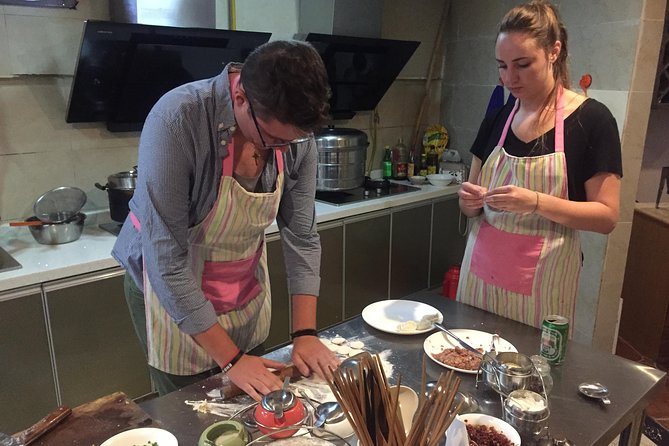
- Soft steamed dumplings
Why this set works: it covers different Sichuan styles instead of repeating the same flavor template four times. You get one dish that celebrates wok speed (Kung Pao), one that plays with contrast (sweet and sour), one that shows how aromatics can make vegetables taste like the main event (fish-flavored eggplant), and one that teaches dumpling technique, which is a skill you can use far beyond this class.
During cooking, you will follow the chef’s guidance for timing, seasoning, and finishing. You will also smell what is happening. Sichuan cooking is often about layering aromas and balancing heat with other flavors. When you are cutting, stirring, and plating, those subtleties become easier to remember.
Other Chengdu trips our reviewers kept returning to
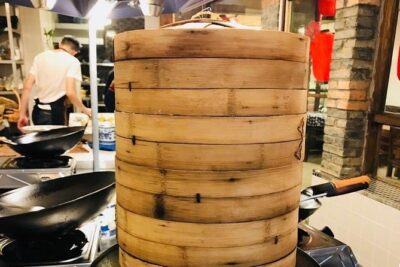
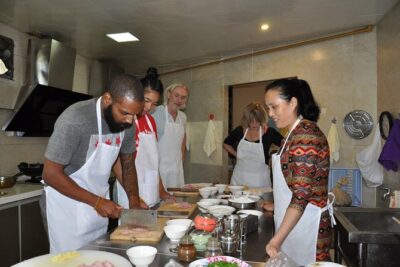
Requesting your own dish
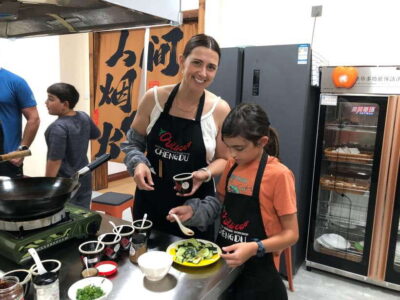
Here is a practical perk: you can request to cook a Sichuan dish of your choice. You do this through the Special Requirements box at booking. The request cannot be guaranteed, but the chef will try.
This is a smart option if you already know you want to learn one specific dish. It can also help if you have eaten the standard menu before and want to change the training focus. Keep your expectations flexible, though. The chef’s ability depends on what ingredients and prep are ready that day.
The lesson style: techniques first, then you do the work
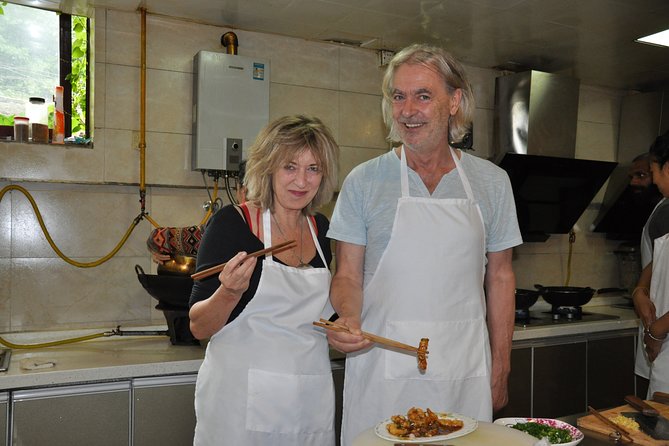
The class starts with chef-led explanation of Sichuan flavor combinations and subtle spices. Then you move into making the dishes. That structure is important, because it prevents the common cooking-class problem where you only follow steps without understanding why.
What you will likely notice in the technique portion:
- You get a feel for how Sichuan flavor is built, not just what the final sauce tastes like
- You learn when to add components for texture and aroma
- You practice core steps like stirring, seasoning, and portioning so the dish does not become guesswork at home
Now, a fair consideration. Some experiences describe less English explanation and more hands-on demonstration. If you get a chef or helper with limited English, the class can still be enjoyable, but it may feel more like learning by doing than learning by lecture. If you care about ingredient background, ask your guide to slow down and point at what is going into the pan.
The market element: when your class goes beyond the stove
Some versions of the experience include a market stop, where you learn about the food firsthand before cooking. That added layer can be great if you like understanding what ingredients look like in real life, not just in a shopping list.
That said, a market visit is not guaranteed in the information you have here. If your class includes it, treat it as the time to ask about Sichuan staples and spice choices, because those choices show up later in the cooking steps.
If your class does not include a market stop, you can still make the lesson work by asking the chef which ingredients are the biggest difference-makers for flavor.
Dinner at the end: why eating matters
You do not just cook and leave. After finishing the dishes, you sit down to feast on your results with your fellow food lovers, and dinner is included.
This matters more than it sounds. Tasting your own food right away helps you connect the steps you did to the flavor you get. It is the fastest way to learn what went right, what you adjusted, and what you would tweak next time.
Also, the social side in a small group is real. With up to 5 travelers, conversation tends to flow naturally. You are more likely to compare notes on what each dish should taste like and what seasoning feels “right” for Sichuan preferences.
English, helpers, and how to get the most from the instruction
The tour description says you will have a local English-speaking chef. In practice, English ability can vary, and some sessions may involve a helper who translates. Either way, you should be prepared to learn through action as much as through words.
If you want the best experience, do this:
- Ask questions while you are working, not after the pot is gone
- Point at the pan and ask what gets added and why
- If you requested a specific dish, bring up what substitutions you are hoping for and when you want it done
Based on past experiences, even when the chef’s English is limited, people still describe the instruction as sweet, friendly, and effective. The big difference is how much background you get. If you want both action and explanation, be vocal and ask for extra details during prep time.
Price and value: is $83.99 worth it?
At $83.99 per person, this is not a budget workshop. You are paying for several things that add value:
- Hotel pickup and drop-off, which saves time and money
- Dinner included, so the meal cost is covered
- A small-group class (max 5), which typically means more attention
- Hands-on cooking of multiple dishes, not just one takeaway dish
- Recipe cards to take home
Is it pricey? Yes, compared to DIY cooking or casual street-food time. But it is also a lot cheaper than what a multi-dish, private lesson might cost in many cities. For me, the key question is whether you will actually use the recipes after you get home. If you like cooking and you want a structured path into Sichuan techniques, the value makes more sense.
One caution from experience: some people found the class “basic” and not heavy on cooking education. If that is your biggest worry, you can reduce the odds by asking for more explanation upfront and by choosing the dish you want to focus on.
Who this Sichuan cooking class suits best
This is a good match if:
- You want a hands-on Sichuan cooking experience, not a food tour where you mostly observe
- You like small-group settings where questions get answered
- You want recipe cards you can realistically use after the trip
- You are traveling with teens or family members who will enjoy doing the work (not only eating)
It may be less ideal if:
- You want long, detailed ingredient science and step-by-step theory for every component
- You expect a perfectly large, luxury classroom kitchen
- You are hunting for the cheapest possible cooking activity
Should you book this Chengdu cooking class?
Book it if you want a straightforward, tasty way to learn Sichuan technique in a small-group setting with pickup, dinner, and recipe cards. The class is built around doing, eating, and leaving with something practical.
Skip it or ask tougher questions before booking if you are expecting a lot of deep English explanation or a very formal classroom experience. In some setups, the instruction can be more demonstration-led than lecture-led, and you might not get much background on ingredients beyond what you need to complete the dishes.
If you are the type who likes learning by cooking and you want a memorable food moment in Chengdu that you can recreate later, this class is a solid choice. Request your preferred dish early, ask about spice and timing as you cook, and treat the tasting at the end as part of the lesson.
FAQ
What time does the half-day Sichuan cooking class start?
The class start time is 4:00 pm.
How long is the cooking class in Chengdu?
The duration is about 4 hours, and the exact course length depends on the number of participants.
Is hotel pickup and drop-off included?
Yes. Hotel pickup and drop-off are included.
Is dinner included?
Yes. Dinner is included, and you eat the dishes you prepare at the end of the class.
How many people are in the group?
This experience has a maximum of 5 travelers.
What dishes will I cook?
The class description lists Kung Pao chicken, sweet and sour pork, fish-flavored eggplant, and soft steamed dumplings.
Can I request a dish that is not on the menu?
Yes. You can request a Sichuan dish in the Special Requirements box at booking. It cannot be guaranteed, but the chef will try to accommodate.
Is the class taught in English?
The tour lists a local English-speaking chef. Some sessions may involve translation support, depending on the day.
What ticket method is used?
You receive a mobile ticket.
What is the cancellation policy?
Cancellation is free if you cancel up to 24 hours before the experience’s start time for a full refund. If you cancel less than 24 hours before, the amount paid is not refunded.
More Workshops in Chengdu


More Cooking Classes in Chengdu

More Tour Reviews in Chengdu


Chengdu, reviewed one booking at a time
- Wolong Panda Base Volunteering Program from Chengdu
★ 5.0 · 3 reviews - Mt Emei and Giant Buddha 2 Days Tour
★ 4.5 · 3 reviews - Half-Day Private Hot-Pot Cooking Class with a Local Market Visit
★ 5.0 · 3 reviews - Private 1-Day: Panda and Chengdu Local Life (Make Vlog for you)
★ 5.0 · 3 reviews - Ticket reservation for Chengdu Giant Panda Breeding Base
★ 5.0 · 3 reviews - Sanxingdui Museum Small Group Tour with Optional Panda Base
★ 5.0 · 3 reviews
Workshops, compared.
 ★ 5.0Half-Day Chengdu Cooking Class with a Local Market VisitFrom $90465 reviews
 ★ 4.9Beijing Calligraphy ClassFrom $20112 reviews
 ★ 5.0Chinese Calligraphy Class for Small GroupFrom $20104 reviews
 ★ 4.7Beijing: Dumpling Making Workshop with Meal and TeaFrom $3569 reviews
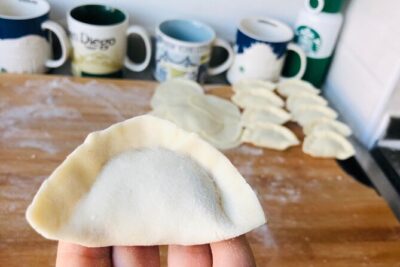 ★ 5.0Online Cooking Class Beijing Dumplings and Cuisine by Sunflowerli Renowned ChefFrom $2065 reviews
 ★ 5.0Beijing Wangfujing Calligraphy Class by Forbidden CityFrom $2058 reviews
 ★ 5.0Beijing Wangfujing Calligraphy Class Nearby Forbidden CityFrom $3556 reviews
 ★ 4.8Chinese Kungfu class in old temple beside Forbidden CiFrom $4553 reviews
Browse the lists this tour appears in